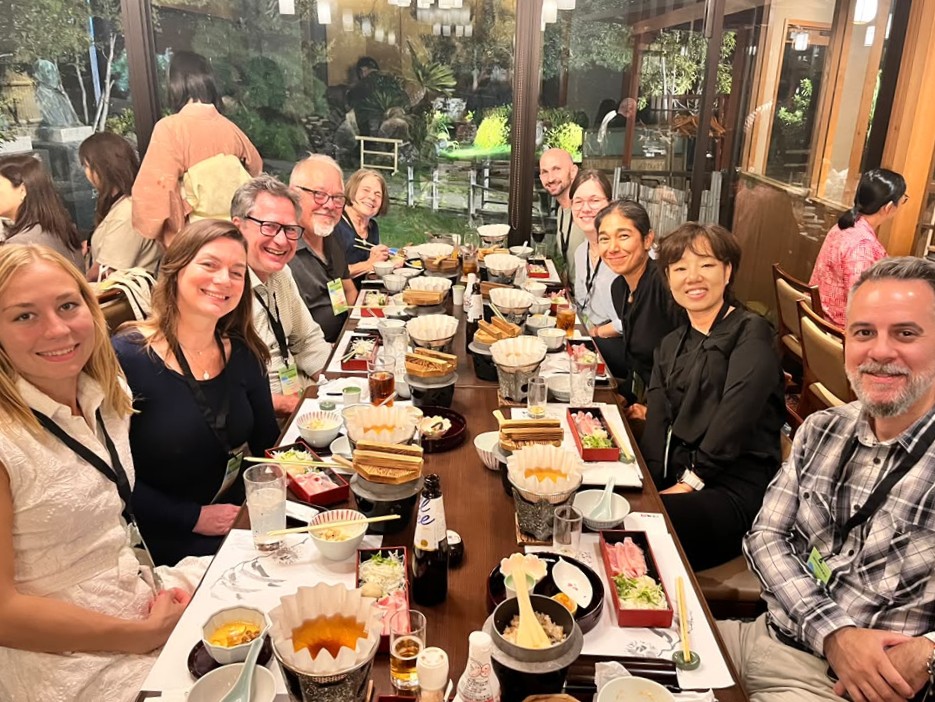
Scholars from around the world gathered at the University of Osaka to explore the connections between food, water, culture, and sustainability. Pictured above is the conference dinner at Ganko Ikeda Ishibashien.
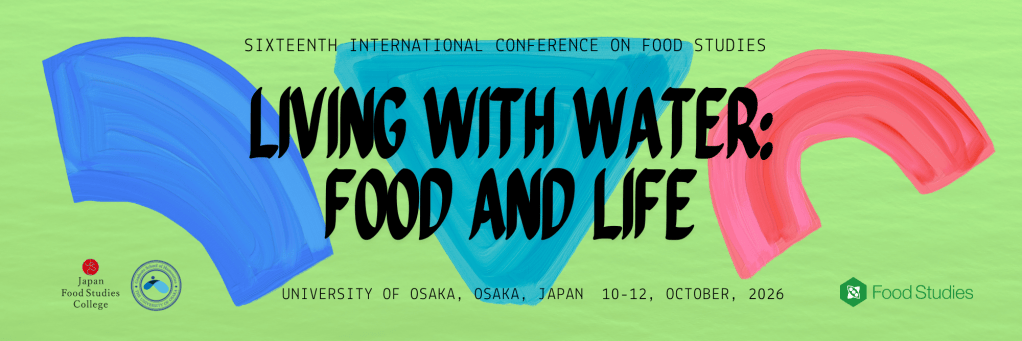
The food studies community gathered in Osaka, Japan, on October 10–11, 2026, for the 16th International Conference on Food Studies. Hosted at the Center for Education in Liberal Arts and Science (CELAS) at the University of Osaka and in collaboration with the Japan Food Studies College, the two-day event brought together researchers, educators, and practitioners to exchange ideas around this year’s special focus, “Living with Water: Food and Life.”
Once again, the Common Ground Research Networks put together a packed schedule for the Food Studies conference, with keynote lectures, research presentations, workshops, and many opportunities for informal discussions. This is the third Food Studies conference that we have been to, and we thoroughly enjoyed ourselves (read our reflections from the 2025 conference in South Africa).
Rather than approaching food as simply something we produce and consume, the presentations highlighted its connections to broader processes. Several themes emerged throughout the conference, from freshwater ecosystems and traditional food cultures to food security, nutrition, and sustainable production, the breadth of program reflected the diversity and energy of the food studies community.
Keynote Speakers: Water, Food and Life
Water is fundamental to food production, but its relationship with food extends far beyond irrigation and agricultural productivity. It shapes ecosystems, influences culinary traditions, and plays an important role in the identities and livelihoods of communities.
This relationship was particularly evident in the keynote presentations. Keynote speaker Takakazu Yumoto explored the relationship between freshwater ecosystems and Japanese food culture in his presentation, The Blessings of Water: The Current State and Potential of Freshwater Fish Consumption in Japan. His talk brought attention to the role of freshwater fish in Japan’s food traditions and the potential for connecting aquatic resources with contemporary food consumption.
Similarly, Yoshiyuki Tatsumi’s keynote presentation, Washoku—Blessings from the Japanese Archipelago, explored Japanese culinary traditions through the country’s geography and natural environment. Together, these presentations highlighted the connections between local ecosystems, cultural identity, and the foods that have shaped Japanese culinary heritage.
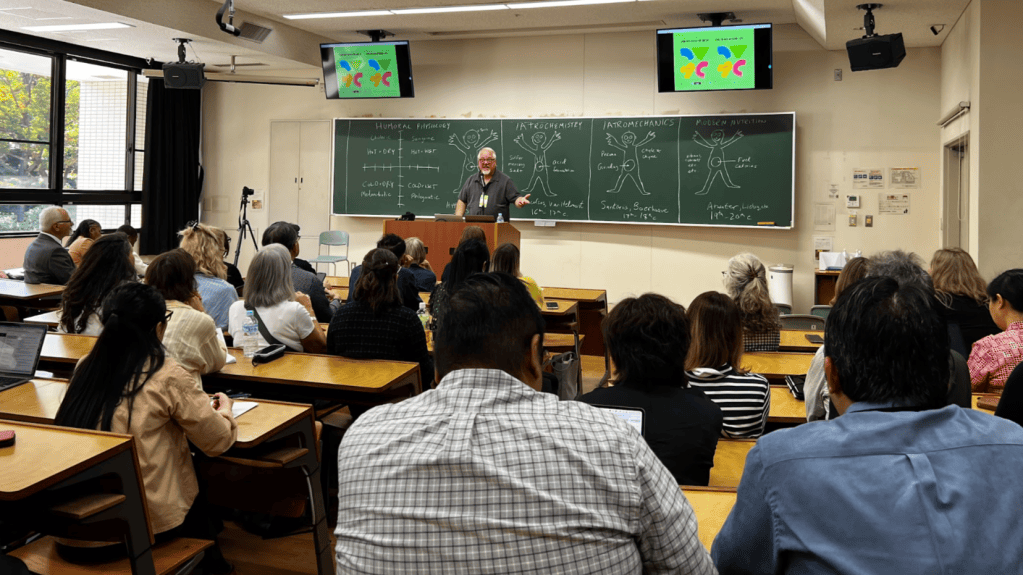
Ken Albala took a historical perspective in Drinking Water in the Western Tradition, Dangerous or Essential?, exploring how the place of drinking water in Western food culture has changed over time. His keynote presentation invited consideration of how perceptions of something as fundamental as drinking water are shaped by history, culture, and changing understandings of health and safety.
Keynote speaker, Megan A. Carney’s Rethinking the Food-Water Nexus in the Context of Polycrisis considered the interconnected pressures affecting contemporary communities and environments, encouraging a broader understanding of the relationships between food and water systems.
Meanwhile, other keynote presentations also considered the pressures facing the relationships between food and water, looking at contemporary food systems and the future of food
Aiko Tanaka, who was also sharing her new book at the conference, gave a keynote presentation Oishii Kamigata Studies: Osaka’s Culinary Philosophy for the Future of Food. which looked to Osaka’s culinary traditions as a source of ideas for thinking about the future of food.
Eiichiro Fukusaki’s keynote presentation, Food Metabolomics: Decoding Food Quality, Flavor, and Fermentation, examined how metabolomics can help us better understand food quality, sensory characteristics, and fermentation.
Learning Through Food
Researchers explored learning through food from a range of perspectives. While these disciplines often ask different questions, the presentations demonstrated how closely their interests and concerns are connected through a common denominator: food.
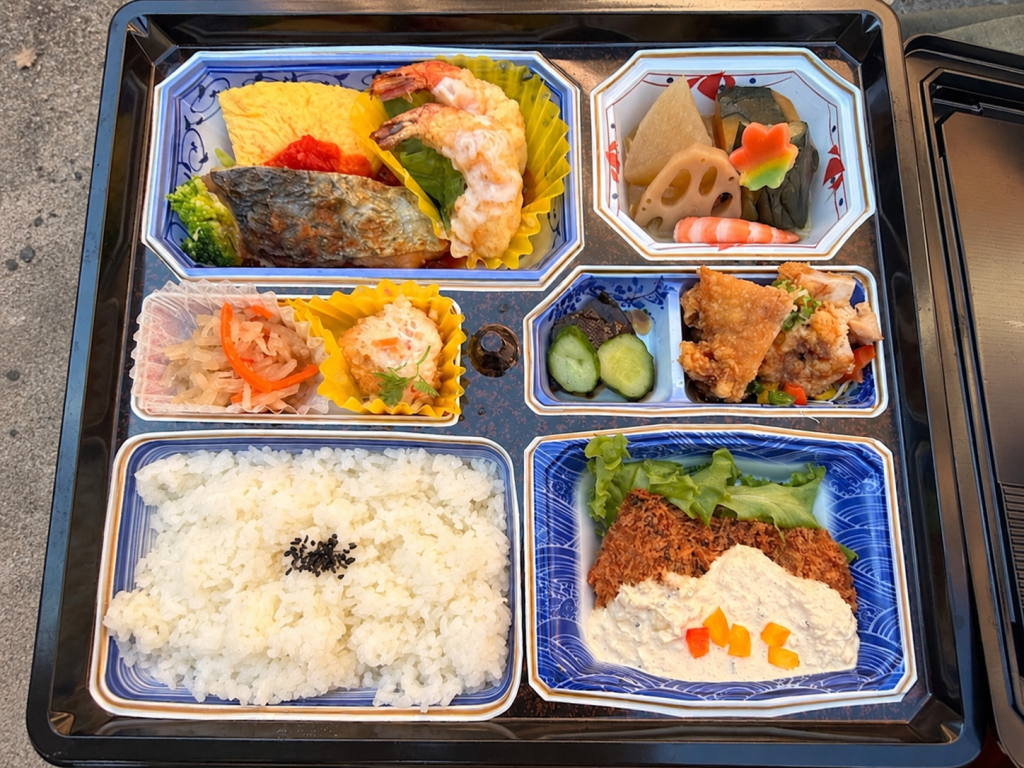
Food was naturally part of the conference. Delegates were served different Japanese bento lunches throughout the conference, offering an opportunity to experience local food culture between sessions. The food breaks created opportunities for networking beyond formal presentations. Opening with talking circles invited participants to introduce their work and connect their interests to the conference themes, while workshops allowed for focused collaboration on a topic.
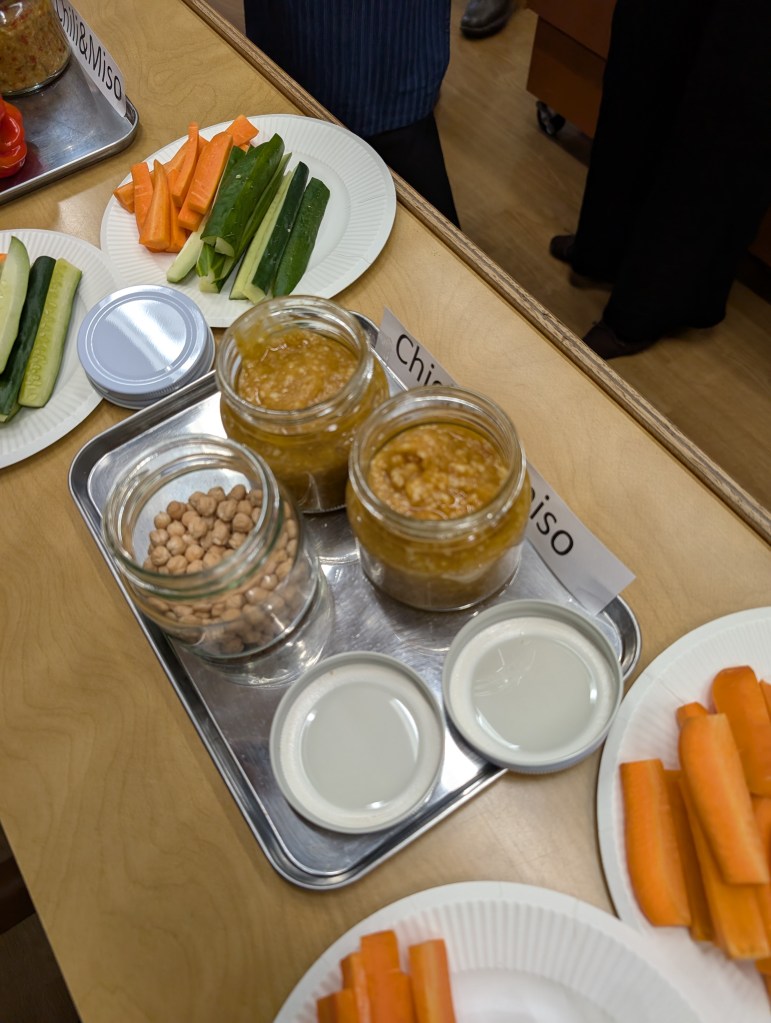
In the Reimagining Miso: Japanese Fermentation Culture in California Kitchens workshop, Naoko Moller shared how Japanese fermentation traditions are being carried forward and reinterpreted within California’s diverse food culture. The session focused on miso, koji, and other fermented ingredients, exploring their role in the development of plant-based cuisine. Starting with a short introduction on different types of miso and wider significance of Japanese fermentation, participants were then treated to a guided miso tasting and demonstration of its preparation.
On the evening of the first day, delegates could also attend a conference dinner and welcome party at Ganko Ikeda Ishibashien. The dinner provided a chance to step away from the presentation rooms, share a meal, and continue conversations in a more relaxed setting.
At the end of the second day, delegates gathered at The LOAF Cafe for conversations over light refreshments. It was an opportunity to reflect on the presentations and reconnect with people met earlier in the week.
An optional excursion was also offered as part of the wider conference activities. The program included a visit to Yamamoto Noh Theater, with a Noh performance, a cultural workshop featuring traditional costumes and dance, an introduction to Noh musical instruments, and a demonstration of traditional pressed sushi from Toyama. Although not part of the main two-day conference, the excursion offered another way for participants to engage with Japanese cultural traditions.
Reoccurring Themes
Alongside the conference’s special focus, “Living with Water: Food and Life,” the program explored three themes: Politics, Policies, and Cultures; Production and Sustainability; and Nutrition and Health.
Topics included circular gastronomy and food waste reduction, natural farming practices, the potential of agricultural cooperatives, and financing for smallholder farmers affected by natural disasters. Other presentations examined land governance and climate risks, fisheries management, and the role of food sovereignty in strengthening community control over food systems.
These discussions reinforced the importance of involving diverse actors and forms of expertise in shaping food system change. Everyone brings different experiences and perspectives, so creating opportunities for these groups to exchange knowledge and work together can help make food system planning more effective for everyone.
Questions of power and participation were also prominent. A book presentation by Monique Mironesco, Seeds of Change: Women Cultivating Food Sovereignty in Hawai‘i and Aotearoa, explored the leadership of Indigenous and marginalized women in alternative food networks and their role in challenging industrial agro-food systems. Other research considered women’s contributions to food sovereignty in Hawai‘i and Aotearoa, as well as the relationship between food businesses, distribution systems, and economic power.
Sustainability was an ongoing concern for many, with a wide variety of topics looking at how food is produced and consumed. Other presentations considered the role of food in maintaining cultural identity across geographical boundaries. For example, Edwin Adame’s Preserving to Remember: Caldillo Durangueño, Food Memory, and Culinary Subsistence in Northern Mexico explored the Durango pepper as a relationship between food memory, regional traditions, and culinary subsistence.
The Nutrition and Health presentations included food safety, nutritional accessibility, food processing, and the potential of food-based interventions to support health. Research included investigations into food as medicine and community-guided approaches to nutrition, as well as the nutritional and safety implications of different food products and processing methods. Other presentations considered the accessibility of nutritious diets, including research on the economic affordability of a Mediterranean-adapted food basket in Chile and the nutritional needs of children in different care settings.
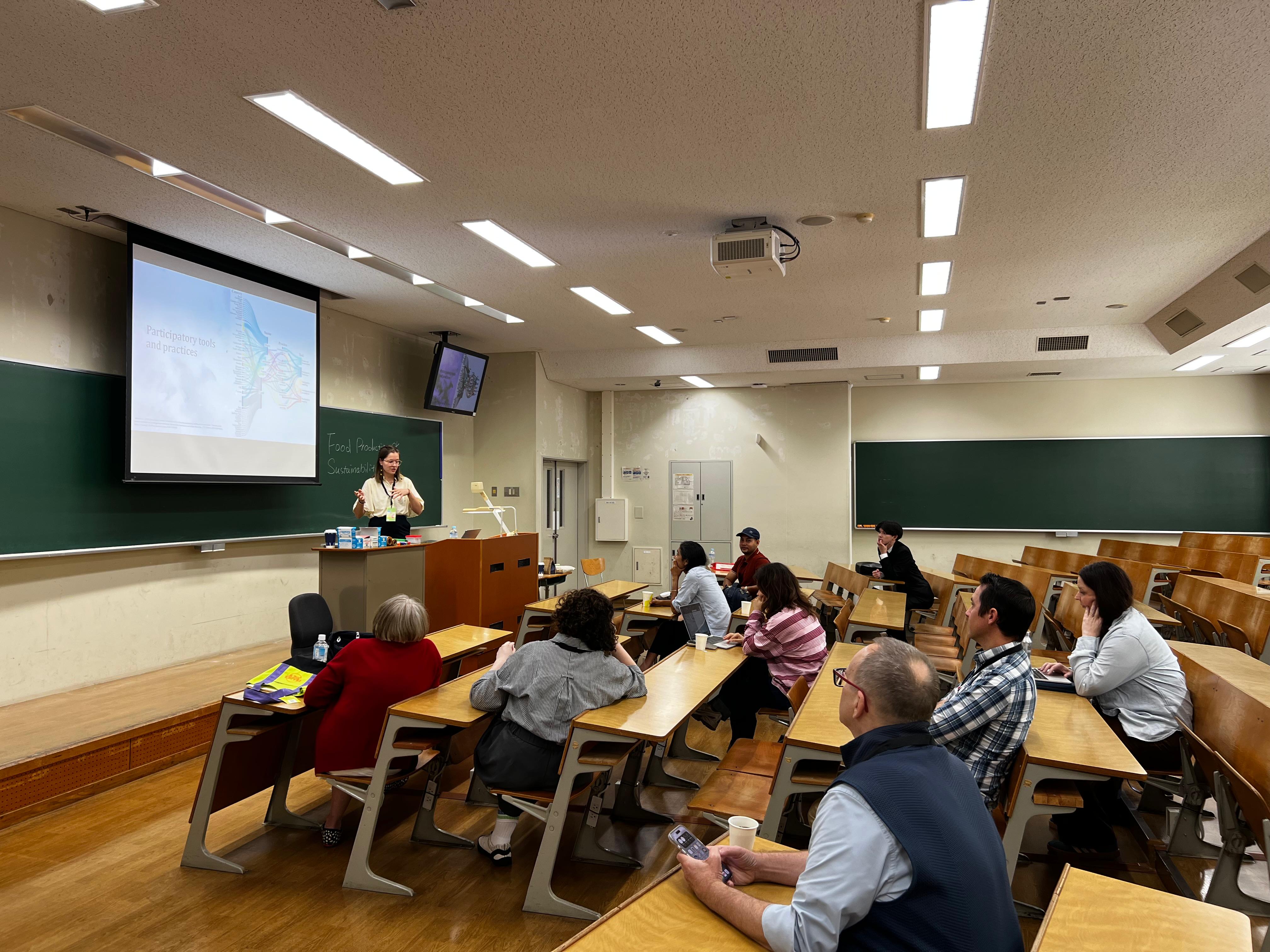
The Foodscapes Collective hosted a workshop, Visualizing Food Systems Through Collaborative Mapping, which introduced a participatory approach to exploring food systems through collaborative mapping. The process was designed to make visible the different ways people understand food systems, including the values, histories, and experiences that shape those understandings. By bringing these perspectives together, collaborative mapping can help participants identify connections that might otherwise remain overlooked, question existing assumptions, and consider how local food systems are shaped by their social, cultural, and ecological environments.
Participatory approaches such as this are particularly relevant to building more sustainable and resilient food systems. They create space for knowledge to be shared across different groups and encourage people to move beyond isolated understandings of food production, distribution, and consumption. Rather than treating food system challenges as purely technical problems, collaborative methods can help reveal the relationships and underlying conditions that need to be considered when working toward change.
Looking Ahead
The 16th International Conference on Food Studies brought together people with a passion for food. Although the presentations addressed different contexts and challenges, many returned to a shared concern: how can food systems better support the people, communities, and environments on which they depend?
The theme, “Living with Water: Food and Life,” provided an opportunity to consider these questions through the interconnected relationships between food and the natural world. From water management and climate resilience to culinary heritage, food sovereignty, and participatory approaches to change, the program demonstrated the value of examining food through multiple disciplines and lived experiences.
The conference demonstrated how much there is to learn when these perspectives meet, and how important it is to create spaces where people can share their work, discover new questions, and build connections that continue long after an event like this ends.
For the food studies community, the gathering in Osaka was both an opportunity to share current research and a reminder that the field is sustained by the people who come together to pursue it. With the next conference planned for Paris in September 2027, those conversations have another place to continue.
Photos courtesy of Joel and Morgane.
View more photos from the conference at the Food Studies Research Network Facebook page.
Joel Matheson
Joel Matheson is co-founder and editor of The Foodscapes Collective. He holds an MA in Global Studies and has worked on community development initiatives in Jamaica and Nepal through the Peace Corps. He received the 2026 Emerging Scholar Award from Common Ground Research Networks. His interests include food studies, food systems, and food security. Connect with Joel on LinkedIn.
Morgane Bataki
Morgane is co-founder of The Foodscapes Collective and a recent PhD graduate in Environmental Sciences at the Open University of the Netherlands. She holds a BA in Cultural Studies and an MA in Food Politics. While her research focuses specifically on transformations towards sustainable agriculture, she is equally passionate about all things food-related, especially exploring the world through diverse cuisines.
Want more content like this? Subscribe to The Foodscapes Collective to be the first to know about articles like this and more.
Were you at the conference this year? We would love to hear from you! Comment below, send us an email, or connect with us on LinkedIn so we can grow the Food Studies community!




Leave a Reply