
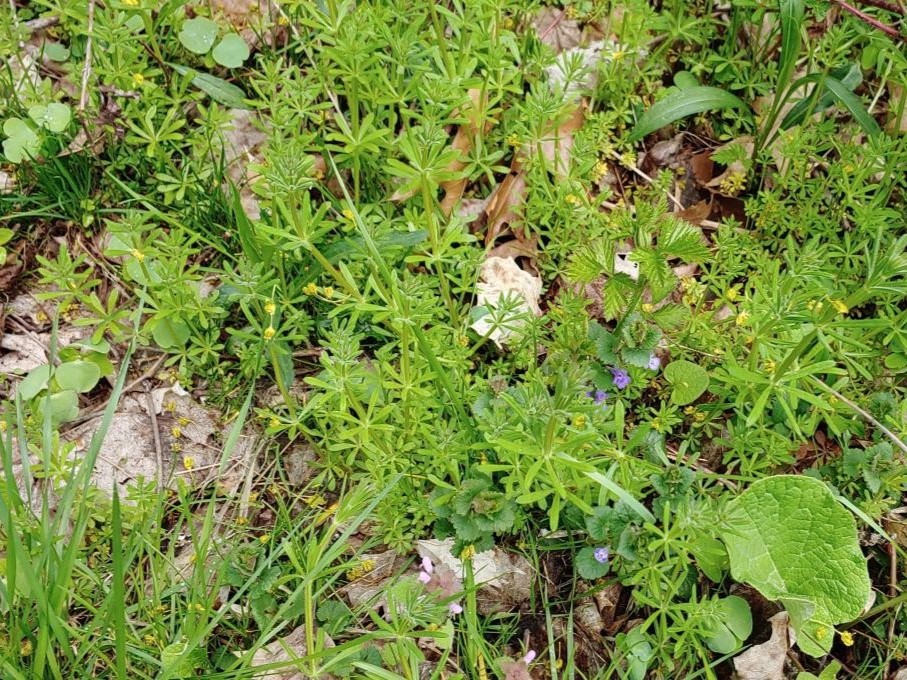
Most of us learn to think of weeds as a problem.
They appear where we don’t want them, compete with crops and garden plants, and somehow seem to thrive despite our best efforts to remove them. The typical response is straightforward: pull them, cut them, spray them, and move on.
But what if weeds are trying to tell us something?
A bare patch of soil becomes a patch of purslane. A well-worn footpath turns into goosegrass. An area where irrigation pools sprout nutsedge before you have a chance to fix the drainage. None of this is random. The plants we call “weeds” are some of the most attentive ecological observers on a farm. They show up when conditions invite them, and the conditions are usually telling us something we ought to know.
Weeds are often among the first plants to react to changes in soil, moisture, sunlight, and disturbance. They are nature’s opportunists, showing up where conditions suit them best. For farmers, gardeners, and anyone interested in understanding landscapes, they can serve as valuable clues about what is happening below the surface.
The Original Soil Detectives
Long before scientists developed soil tests and laboratory analyses, farmers paid close attention to the plants growing around them.
Across different continents and cultures, people observed that certain plants tended to appear under certain conditions. Some species were associated with compacted ground, others with wet areas, and others with fertile soils recovering from disturbance.
What makes this remarkable is that many of these observations developed independently. Farmers in West Africa, Southeast Asia, Central America, and the Andes were not exchanging notes, yet many arrived at a similar conclusion: the plants growing in a field often reveal something about the state of the soil.
Reading the Landscape
Think of weeds as indicators rather than enemies.
A tough grass growing repeatedly along a footpath may suggest soil compaction. Plants thriving in a persistently wet area may indicate drainage issues. A flush of fast-growing annual weeds after cultivation can signal fertile soil and abundant nutrients rather than poor conditions.
The key is to look for patterns.
One isolated plant does not tell much of a story. A species returning year after year, or dominating a particular area, is often worth investigating.
For example:
- Specific weeds appear when essential soil nutrients are lacking or unbalanced.
- Sedges and moisture-loving plants can point to drainage problems.
- Fast-growing annual weeds often thrive where nutrients are abundant and sunlight reaches the soil surface.
- Areas where almost nothing grows may signal deeper issues such as severe compaction, salt buildup, or other soil stresses.
The plants themselves are not the problem. They are responding to conditions that already exist.
Learning to Look
The next time you walk through a farm, garden, or vacant lot, try a different approach.
Instead of asking, “How do I get rid of these weeds?”
Ask:
- Why are these plants growing here?
- What conditions are they responding to?
- Why this species and not another?
- What might they reveal about the soil, water, or management of this place?
You may not find all the answers immediately. But the questions themselves can change how you see a landscape.
The most successful farmers, gardeners, and land stewards often share one skill: they pay attention. They notice patterns. They observe before they act.
Weeds are among the first plants to arrive when conditions change. They are often the first to reveal a problem—and sometimes the first to reveal an opportunity.
The next time you encounter a patch of weeds, consider that it may not be a warning sign at all. It may simply be a message written in the soil, waiting for someone to read it.
This article is adapted from a longer original essay by Andrew Gerren, published on Sacred Herbs and Botanicals. You can read the full version here.
This piece is part of the Reading the Landscape mini-series by Foodscapes Collective, which explores how plants, soil, and ecological patterns reveal information about land health. Explore the full series here: (coming soon)
For a practical field reference of indicator plants and what they may suggest in tropical, subtropical, and temperate systems, visit: Weed Indicator Field Guide
Photo courtesy of Andrew Gerren

Andrew Gerren
Andrew Gerren is a farmer, ethnobotanist, and sustainable agriculture consultant with 17+ years of tropical farming experience and over a decade in plant medicine. Trained at the University of Hawai‘i at Mānoa, he specializes in soil health and regenerative systems tailored to local microclimates. He is a Returned Peace Corps Volunteer where he worked with smallholder farmers in Jamaica. He previously managed Newfield Farm in Florida and currently manages a 10+ acre plot for a private residential community. Andrew now runs Sacred Herbs & Botanicals and Incredible Foodscapes, advancing resilient, community-based food systems.

Joel Matheson
Joel Matheson is co-founder of The Foodscapes Collective and is passionate about sustainable agriculture, food security, and climate resilience. He holds an MA in Global Studies and a BA in Environmental Studies. He was a Peace Corps volunteer in Jamaica and Nepal.
Want more content like this? Subscribe to The Foodscapes Collective to be the first to know about articles like this and more.





Leave a Reply