Learn to read what weeds, plants, and natural patterns reveal about soil health and ecosystem conditions.
Many people see weeds as problems to eliminate.
This is a growing educational series exploring how to interpret landscapes through the plants that grow there. Each article builds on the last, helping gardeners, farmers, and land stewards understand what nature is telling them.
This series explores a different perspective: weeds are indicators. They reveal information about soil compaction, drainage, fertility, disturbance, moisture, and ecological succession. By learning to recognize these patterns, you can better understand your land before making management decisions.
Whether you’re managing a backyard garden, farm, or restoration project, Reading the Landscape provides practical, research-based guidance for interpreting what plants are telling you.
Weed Indicator Field Reference Guide
Looking for a specific weed?
The Weed Indicator Field Reference Guide is designed as a quick-reference resource. Browse individual weed profiles to learn what each species may indicate about soil conditions, moisture, fertility, compaction, and disturbance.
Unlike the Reading the Landscape series, the guide is organized by plant rather than by lesson.
Reading the Landscape Series
Nature is constantly providing clues about the health of the land. Learning to read those clues is the first step toward making informed, sustainable management decisions.
-
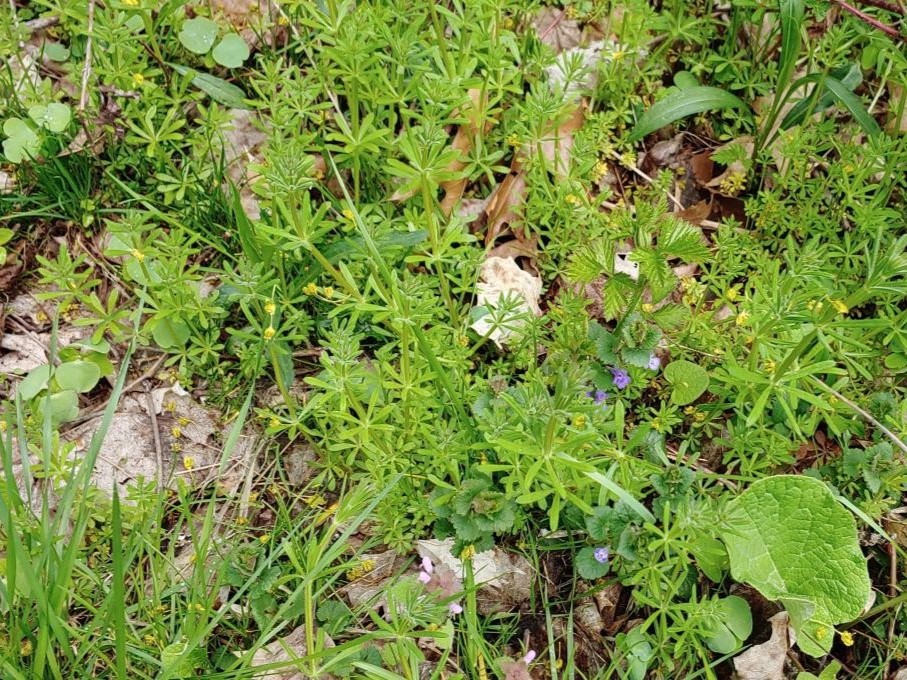
Weeds are often treated as a nuisance to be removed, but they can also be read as signals from the landscape itself. “Reading weeds” is a way understand what is happening in the soil.
-
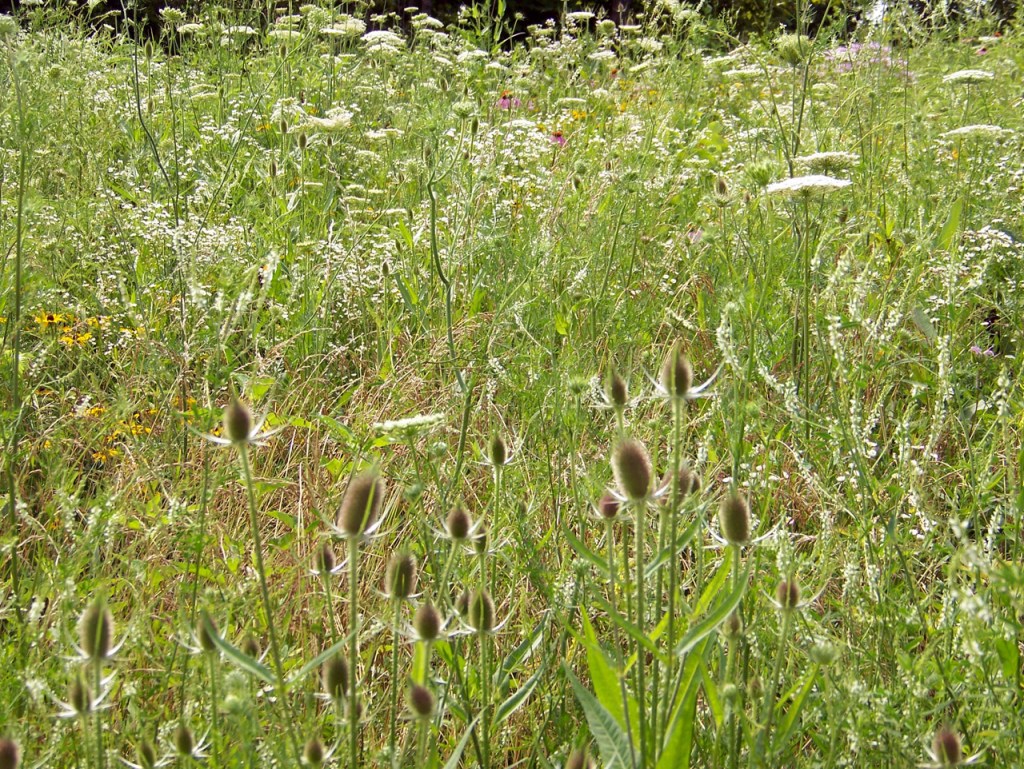
Some of the weeds you work hardest to remove are sending you a message—they are growing precisely because your soil is doing well. This article explores how species like pigweed, lamb’s quarters, and purslane reveal underlying fertility.
-

Learn what goosegrass, nutsedge, and Spanish needle reveal about soil compaction, drainage, and disturbance. Learn how to use weeds as natural indicators of soil health.



 The Foodscapes Collective