

In St. Elizabeth, Jamaica, a small-scale voucher program helped 75 farmers purchase agricultural supplies following Hurricane Melissa, offering insights into how direct cash disaster assistance can respond to farmers’ different needs.
When Hurricane Melissa struck Jamaica on October 28, 2025, its Category 5 winds devastated communities and food production across the island. St. Elizabeth, one of Jamaica’s most productive agricultural parishes, was particularly hard hit. The hurricane affected an estimated 12,338 hectares of agricultural land in the parish, contributing to billions of Jamaican dollars in agricultural and livestock losses.
For farmers, recovery meant more than repairing hurricane damage. It also meant finding the supplies needed to resume production and rebuild their livelihoods. But how can assistance be delivered effectively when resources are limited, markets may be disrupted, and farmers have different recovery needs?
In-Kind Assistance and Cash-Based Alternatives
Governments and humanitarian organizations commonly provide agricultural assistance through in-kind support, which involves procuring and distributing farming inputs. Seeds, fertilizer, and other supplies can be purchased in bulk, allowing assistance to reach large numbers of farmers through economies of scale.
In-kind assistance is often a key component of the initial recovery phase. After emergency relief arrives, stakeholders responsible for restoring food production begin coordinating recovery efforts. In-kind assistance is particularly useful when local markets are disrupted or essential goods are unavailable.
However, standardized distributions may not reflect the needs of every farmer. Smallholder farmers are not a homogeneous group: they grow different crops, manage different production systems, and face different recovery challenges.
Additionally, the procurement, storage, transportation, and distribution of resources cost money and requires extensive coordination. A study in the Journal of Humanitarian Logistics and Supply Chain Management suggests that supply chain management costs an average of around 75% of the total cost.
Cash and voucher assistance offers a complimentary alternative. With direct cash assistance, farmers can decide how to allocate funds according to their priorities and purchase goods through available markets. This approach can reduce logistical costs and allow a greater proportion of assistance to reach recipients, potentially making direct payments more cost efficient.
Both approaches have advantages and limitations and can complement one another. In-kind assistance may be more appropriate when markets are disrupted or essential goods are unavailable, while cash and vouchers can offer greater flexibility when goods and services are accessible.
A small-scale agricultural voucher pilot project in St. Elizabeth, Jamaica, provides a case study of how voucher-based assistance supported farmers following Hurricane Melissa.
A Voucher Program in St. Elizabeth
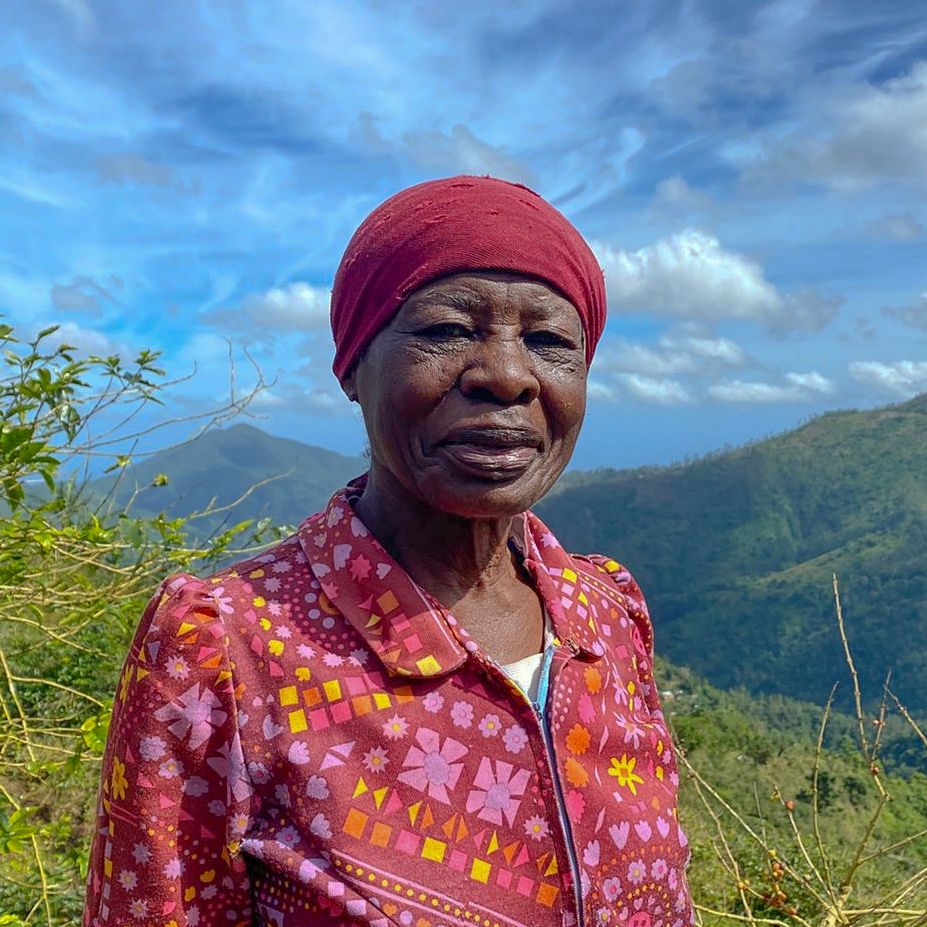
Funded through a US$5,000 grant organized by Friends of Jamaica, a U.S.-based nonprofit, the project provided 75 farmers in northern St. Elizabeth with vouchers worth JMD 10,000 (approximately US$65) each. For context, this amount was equivalent to approximately 25 hours of work at Jamaica’s minimum wage.
The initiative brought together Friends of Jamaica, the Rural Agricultural Development Authority (RADA), and Sunlight Agricultural Supplies, an agricultural retailer in Santa Cruz. Voucher redemption began on March 6, 2026, and concluded on April 17.
The vouchers were a restricted-use direct cash payment. Farmers could use the vouchers to purchase eligible goods of their choice at the farm store, but they could not withdraw the value as cash.
The participants were identified through a list initially provided by the local Member of Parliament. Farmers were then contacted by a phone call and invited to participate. The farm store was provided a list of the participating farmers, and when individuals went in to claim the voucher, a form of ID card was used to verify identity of the farmer.
The 75 participating farmers included 41 men (55 percent) and 34 women (45 percent). Sixteen participants (21 percent) were aged 35 or younger, while 59 (79 percent) were older than 35.
What Did Farmers Buy?
An analysis of purchase receipts found that farmers used their vouchers across six categories: Crop Nutrition (fertilizer, potting soil), Crop Protection (adjuvants, fungicides, herbicides, insecticides/miticides), Seeds and Planting Materials (different types of seeds), Livestock Production (feed, animals, vitamins, medicines), Farm Equipment (equipment, tools, hardware), and Other (shopping bags, molasses, kerosene oil, cat food, rat poison, fish oil).
Crop Nutrition accounted for approximately 34% of recorded spending, while Crop Protection accounted for another 33%. Together, these two categories represented more than two-thirds of total expenditure. Of the 75 farmers, only 22 did not purchase Crop Nutrition products, while 21 did not purchase Crop Protection products.
Many of the farmers spent more than the JMD 10,000 voucher, with 54 of the 75 farmers recorded purchases exceeding that amount. Total spending reached JMD 798,100, which is approximately 6.4 percent above the combined voucher value of JMD 750,000. Farmers covered the additional expenditure themselves.
Farmers could allocate their vouchers across different products, rather than receiving a standardized distribution of a single input. Participants purchased an average of five individual items across approximately three different categories. Some purchased only one item, while others spread their spending across several types of agricultural supplies.
Farmers used their vouchers to meet a range of needs specific to their individual recovery needs. These differences illustrate a potential advantage of vouchers over standardized distributions, where farmers can select from available products based on their own circumstances. A farmer preparing land for planting may prioritize different inputs from one trying to protect an existing crop or maintain livestock.
However, purchase receipts cannot reveal why farmers selected particular products or whether those purchases addressed their most urgent recovery needs. Interviews and follow-up research would be needed to understand how farmers made these decisions and whether the supplies helped restore production.
Lessons for Future Disaster Response
The St. Elizabeth voucher project offers an example of how voucher assistance can support farmers following a major natural disaster. It also highlights the practical challenges that can shape how assistance reaches farmers.
While the vouchers offered farmers the flexibility to make purchasing decisions, their choices were limited by the availability of products at the participating farm store. Even when vouchers offer choice, that choice depends on available inventory, functioning markets, and access to transportation.
The project relied on telephone calls to contact farmers, explain the program, and arrange voucher redemption. Some farmers were initially uncertain whether the calls were legitimate, while others could not be reached because their phones were broken or mobile service was unavailable in their area.
The project began with a list of 93 farmers along with their contact information. When farmers could not be reached after several attempts, their names were removed from the list and other farmers were contacted until all 75 vouchers had been claimed. In the end, 75 farmers redeemed vouchers, representing approximately 81% of the original list. This process highlights how communication barriers can limit access to assistance, potentially excluding farmers who might otherwise have benefited from the program.
Other challenges included transportation costs and difficulties reaching the store in Santa Cruz. Identification and RADA registration requirements also created barriers for some participants.
The key takeaway from this pilot project is that cash and voucher assistance can complement in-kind assistance during agricultural recovery. The question is not whether in-kind assistance or cash-based support is better, but how the two approaches can work together.
In-kind assistance is especially valuable when local markets are disrupted or essential inputs are unavailable, while cash assistance is more cost effective and offers flexibility, giving farmers greater freedom to decide how to allocate resources.
Following a natural disaster, farmers may face different needs at different stages of recovery, and no single approach will address them all. Used together, these approaches can help recovery programs respond to immediate needs while allowing farmers to make decisions about their own farms and livelihoods.
As climate-related disasters place increasing pressure on agricultural livelihoods and food systems, effective recovery requires coordination of all disaster recovery tools available.

Joel Matheson
Joel Matheson is co-founder of The Foodscapes Collective and is passionate about sustainable agriculture, food security, and climate resilience. He holds an MA in Global Studies and a BA in Environmental Studies. He was a Peace Corps volunteer in Jamaica and Nepal.
Want more content like this? Subscribe to The Foodscapes Collective to be the first to know about articles like this and more.





Leave a Reply