
When African Farmers Define Success
Yield Is Not Income, and Farmers Know It
By: Kelvin Odoobo
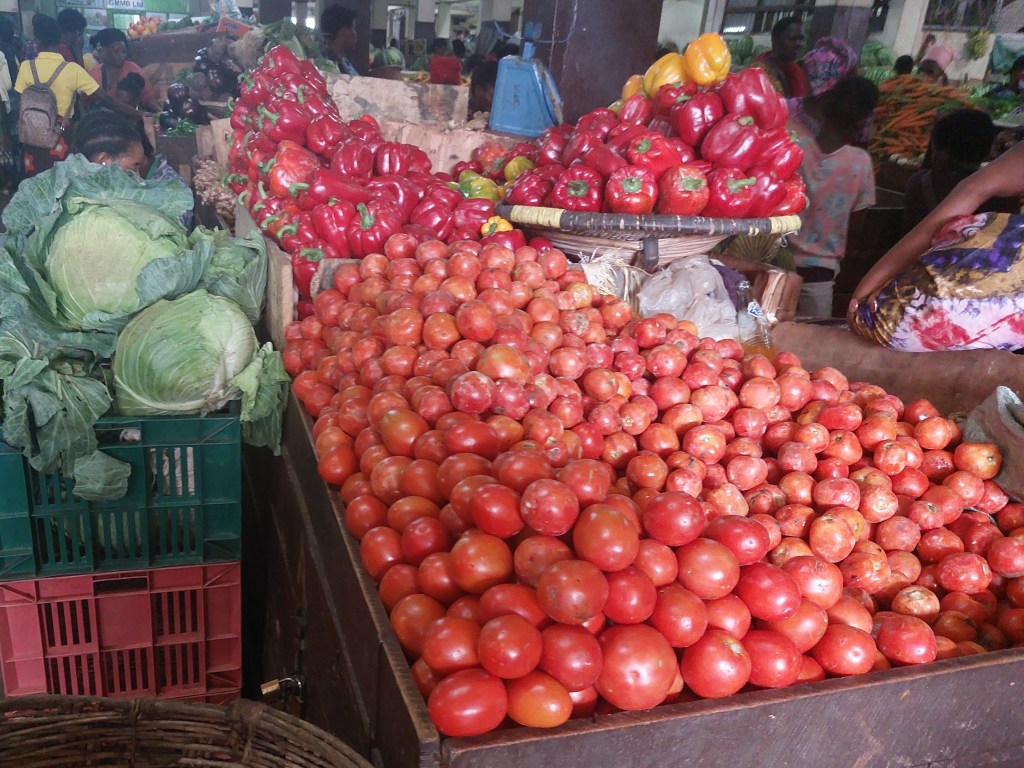
The greenhouses were working. Farmers in rural and peri-urban areas of Rwanda were growing larger, juicier tomatoes with a longer shelf life and a harvesting season of at least six months. Yet after a ‘successful’ production season, some were reluctant to invest more.
The problem was not the technology, the funding, or low production. It was the lack of a well-paying market.
About fifteen years ago, I worked on a development project, funded by an NGO, to improve farmers’ livelihoods. We, as the technology providers, brought small-scale greenhouse packages with drip irrigation, quality seed, and other inputs, trained the farmers, and provided technical support.
On paper, it looked promising. But local consumers would not pay more for greenhouse tomatoes, because to them tomatoes were just tomatoes. The farmers told us they were unhappy. They had higher volumes but received the same price per kilogram as colleagues growing ordinary tomatoes in the open field. Their returns were higher, but not high enough to recover their investment quickly.
Designers of such programmes focused on yields and treated market issues as out of scope. The funder, our team and the farmer groups all focused on production, assuming that higher yield and better quality made business sense by itself. That was a gap in our design, as much as anyone’s.
Once we studied the situation, we tried something technically outside our role as agronomists. We used the farmer support vehicles our agronomists already travelled in to bring harvested tomatoes to premium fruit and vegetable retailers in Kigali, without increasing transport costs.
Surprisingly, it worked!
These retailers were willing to pay between 45 and 60 percent more than rural and urban local markets. Farmers who sold to them earned more than ordinary tomato growers and recovered their full investment in about one and a half seasons. Their confidence returned, and they began building more greenhouses.
The technology had been good all along. We had left out the market that made it worth using.
When farmers found their own markets
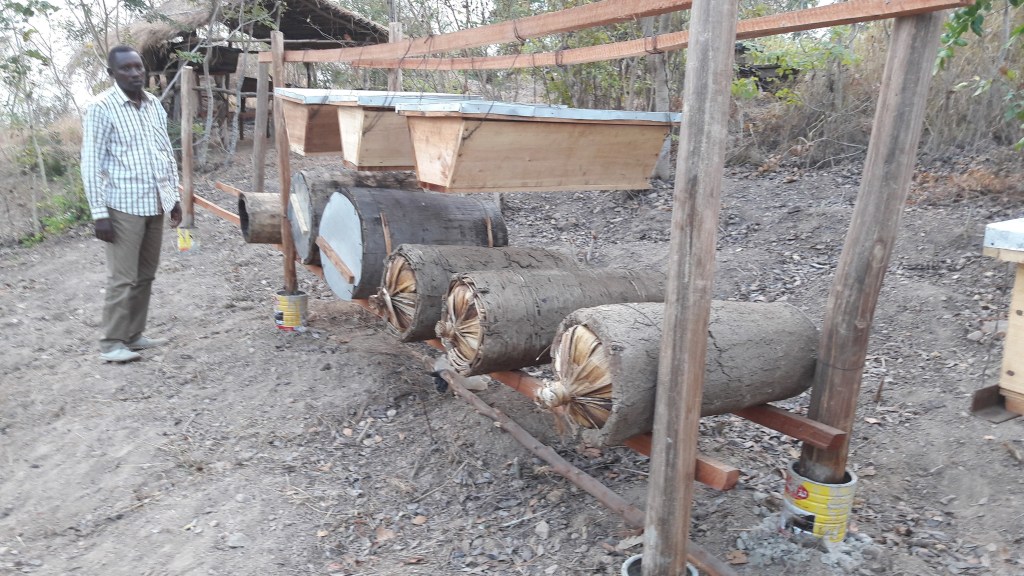
I took that lesson into my later work in beekeeping across several African countries. A partner organisation brought beekeepers into the design of the livelihood improvement project, and one of their major demands was a guaranteed market. We provided equipment, training and quality control, and every beekeeper who joined was assured that we would buy all the honey they produced, as long as it met our quality standards.
What we did not expect, in parts of Uganda, Kenya and Malawi, was that beekeepers would ask to sell part of their honey directly to retailers in their own areas. This is often called side selling, but they asked openly. It surprised every partner, because the guarantee was something the beekeepers themselves had demanded, and we had assumed they would find it less work than going to the market.
It put us in a real dilemma. The equipment, training and quality control we supplied were partly meant to secure our supply, yet they also made the honey more attractive to other buyers. After reviewing the model carefully with the beekeepers and the other partners, we decided to change it. We stopped expecting to buy everything a beekeeper produced and focused on buying quality honey they could not easily sell elsewhere, at premium prices. Beekeepers built their own customer base and still had a buyer whenever their markets fell short.
The guarantee the farmers asked for and the expectation we attached to it were different things. The guarantee was a promise to buy, and technically a floor under a farmer’s income. The expectation that everything would come to us was a fence around where the farmer could sell. We should admit that the fence suited our business. Taking it down meant accepting less volume and a less predictable supply.
Who defines success
The programmes I have worked with and seen usually report farmers trained, technologies introduced, hectares planted, yields raised and tonnes marketed. Those numbers matter, but they do not tell us whether a farmer is building a sustainable business.
The tomato project would have passed on every one of those measures, yet the farmers were dissatisfied, and they said so. They judged success by what was left in their hands at the end of a season, and we judged it by what we had delivered.
The honey project showed the opposite problem. Measured by how much honey we bought, a beekeeper who found retail customers looked like a weaker supplier. Measured by what that beekeeper earned and controlled, the same person was doing better. One organisation’s disappointing figure can be a farmer’s good result.
Selling independently does not always pay more, but what mattered was having real options and the freedom to choose.
Why projects need a food systems approach
These two experiences taught me what food systems thinking means in practice. A greenhouse or a beehive is one part of a larger system that includes buyers, prices, quality standards and the choices farmers make. When a project improves one part and ignores the rest, the system pushes back, as it did in both of my stories.
I now begin with three questions. Who defined the problem we are trying to solve? Where will the extra income for farmers come from? And who decides whether the project worked? For funders and programme designers, the steps are practical. Test the market and the price before funding production, involve farmers in that test, and add measures that belong to the farmer, such as income after costs and the number of buyers they can reach.
This was one of my motivations for writing my book, From Agriculture to Food Systems: A Practical Introduction to Food Systems Thinking for Africa’s Agriculture Professionals.
The greenhouse farmers who went back to investing and the beekeepers who found their own customers were doing what any business owner does. They were looking for a better price and a buyer they could trust. Our work should make that easier, and we should judge it by whether it did.
Photos courtesy of Kelvin Odoobo.
Kelvin Odoobo
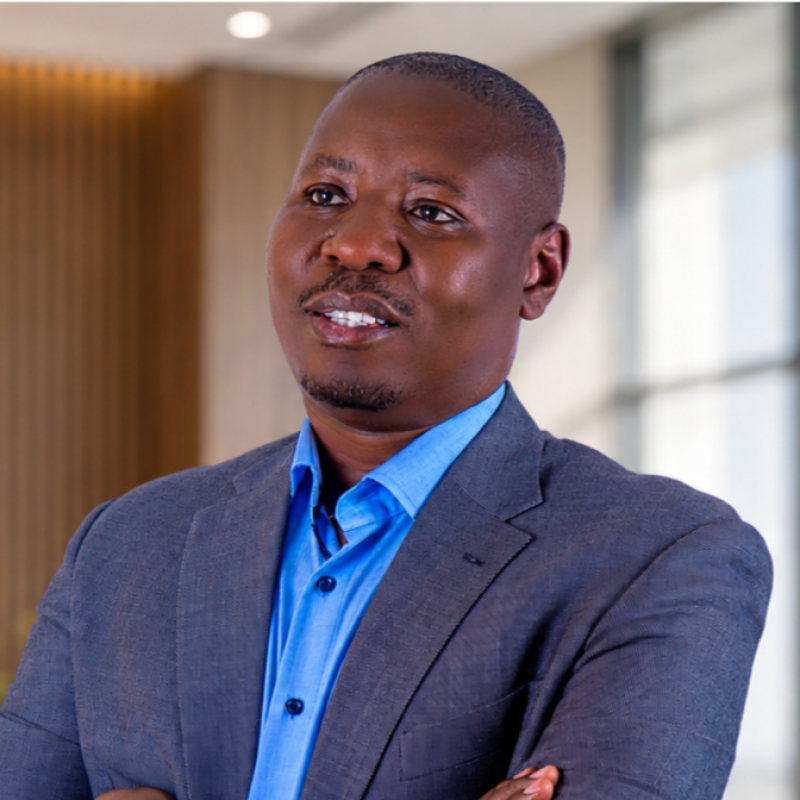
Kelvin Odoobo is a food systems advisor, agribusiness strategist, and author with over 20 years of professional experience across East and Southern Africa. He is the founder of Shambapro, an agritech startup, and author of From Agriculture to Food Systems: A Practical Introduction to Food Systems Thinking for Africa’s Agriculture Professionals.
Want more content like this? Subscribe to The Foodscapes Collective to be the first to know about articles like this and more.





Leave a Reply