Name: Norah Kamashazi
Location: Rwanda
Type of Farming: Cereals and legumes — hybrid maize, beans, and soybeans
Years Farming: 10 Years
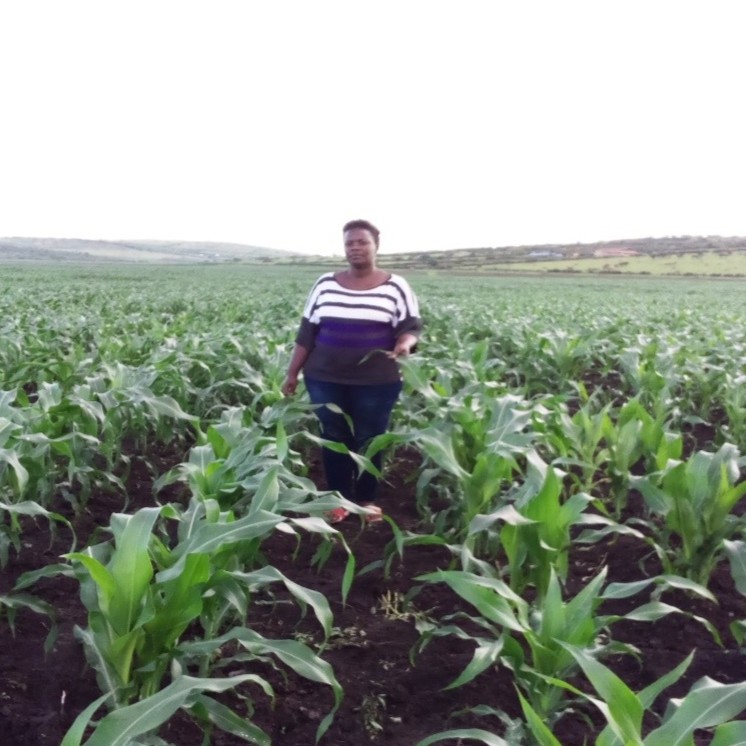
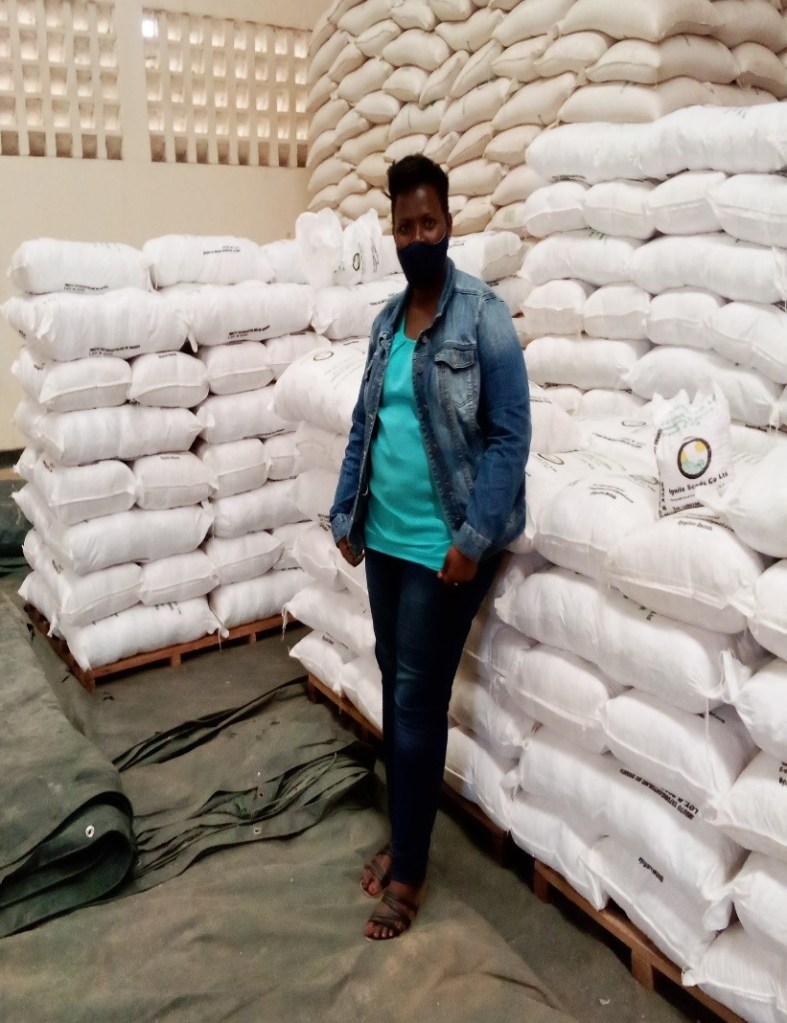
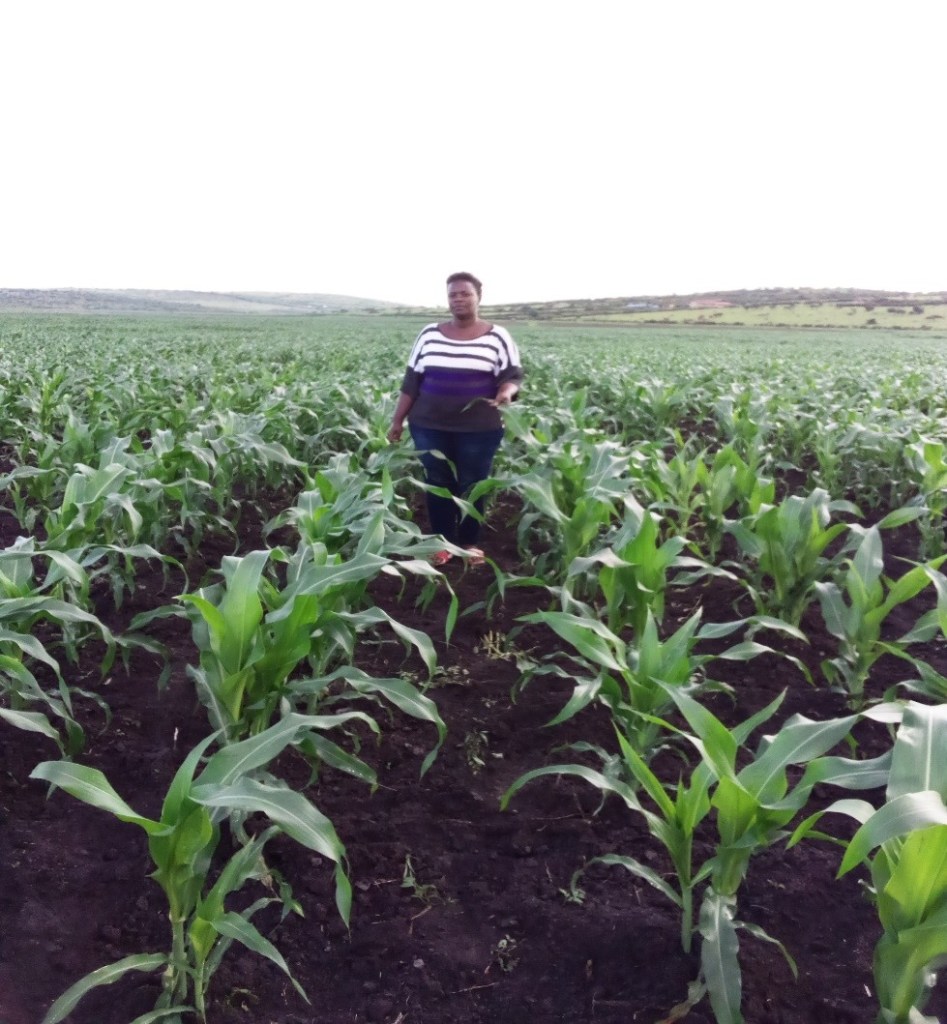
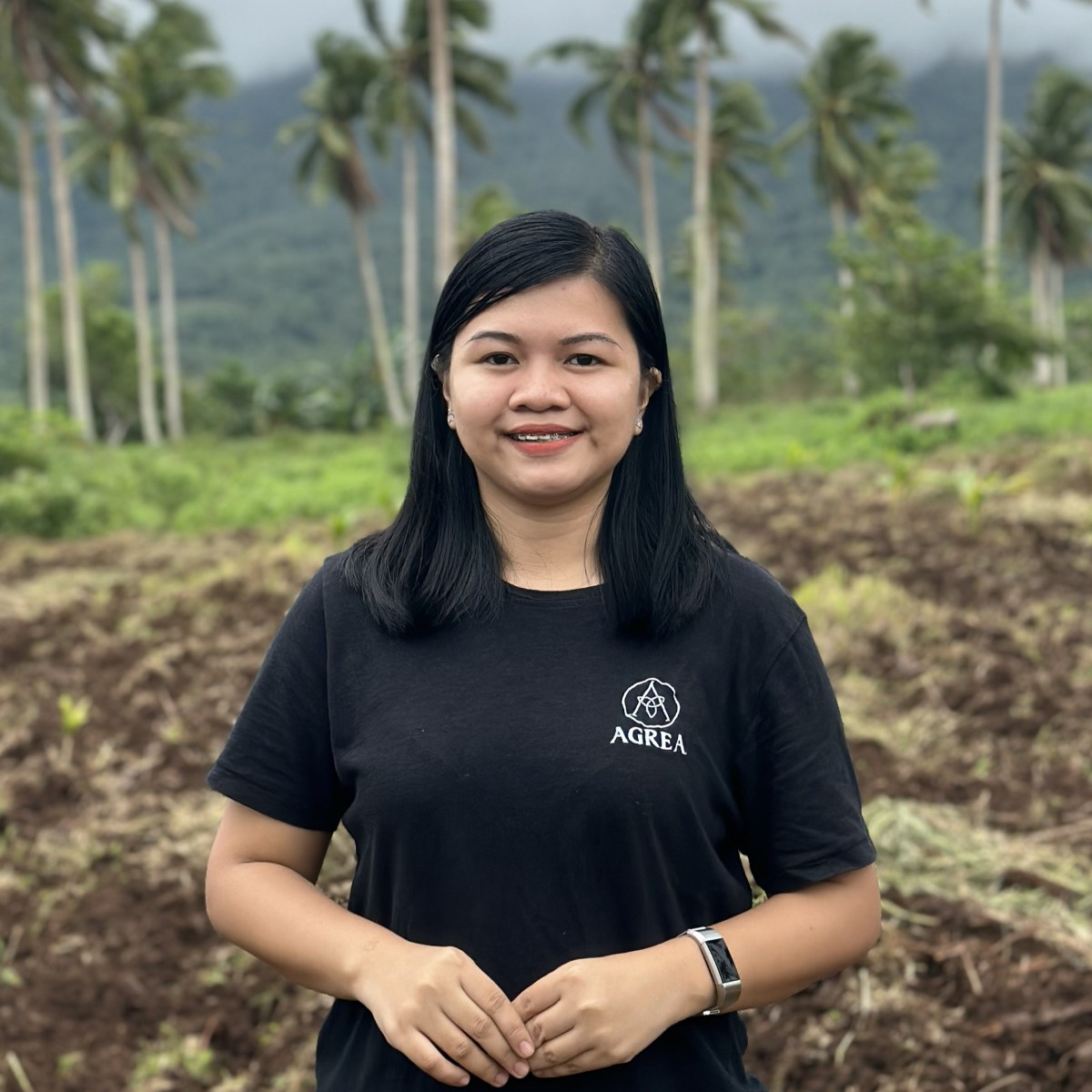
Norah Kamashazi is a farmer in Rwanda who cultivates 20 hectares of hybrid maize, beans, and soybeans. She works with farming cooperatives as outgrowers to support agricultural production and bring food to market.
Over the years, Norah has expanded her knowledge beyond the traditional farming practices she learned from her parents, gaining skills in modern farming through courses, agricultural partners, and fellow farmers. Today, she sees farming as much more than a livelihood. For Norah, “growing food is life”—and maize holds a particularly important place, providing both food for communities and income for farmers.
In recognition of the International Year of the Woman Farmer, The Foodscapes Collective is highlighting women farmers whose work sustains families, communities, and food systems. This series shares the voices and experiences of women farmers through short conversations about their journeys, and the meaning of growing food.
In this farmer profile, Norah reflects on more than 10 years of farming in Rwanda.
What first inspired you to become a farmer?
In the first place, I was brought-up in a farming family which was carrying out mixed subsistence farming. In such farming activity, I noticed that the harvests were our sources of food for a living.
From the above background I was much more interested in farming to ensure food security not only for subsistence but also for commercial end.
Who taught you how to farm? Where did you learn?
Primarily, my parents taught me farming though traditional type of farming, but later got skilled in modern farming through several courses from different partners and co-farmers.
What does a typical day on the farm look like?
A typical day on my farm is when I am weeding the seedlings and collecting harvests which confirms the meaning of the effort applied and relieves my fatigue.
What challenges do you face as a woman farmer?
From a number of challenges encountered, the major one is lack of my own land to carry out farming. This is because renting costs are very high and costs keeps unpredictably increasing. Equally, there is inadequate capital to increase productivity.
Besides, there is a challenge of climate change, where most of the time there are heavy sun shines that tremendously lowers output.
What does growing food mean to you? Is there a crop/product that feels especially meaningful?
Growing food is life. None of people that do not benefit from growing food crops. In other words, growing food is the foundation of any other activity mankind can carry-out.
Among the key food crop that is very important, is maize. From maize, we do not only get food but also incomes resulting from selling of the produce.
What advice would you give to a young woman who wanted to farm?
The advice to give young women interested in farming, is to be diligent and do not plant the seeds today, and expect output in the next morning! Secondly, let my fellow women consider that we need not only to breast-feed, but also food-feed communities through farming of food crops.
Photos courtesy of Norah Kamashazi

Joel Matheson
Joel Matheson is co-founder of The Foodscapes Collective and is passionate about sustainable agriculture, food security, and climate resilience. He holds an MA in Global Studies and a BA in Environmental Studies. He was a Peace Corps volunteer in Jamaica and Nepal.
Want more content like this? Subscribe to The Foodscapes Collective to be the first to know about articles like this and more.




Leave a Reply