
Name: Christine Jodloman
Location: The Philippines
Type of Farming: Mangoes, palay, coconuts
Years Farming: 12 years
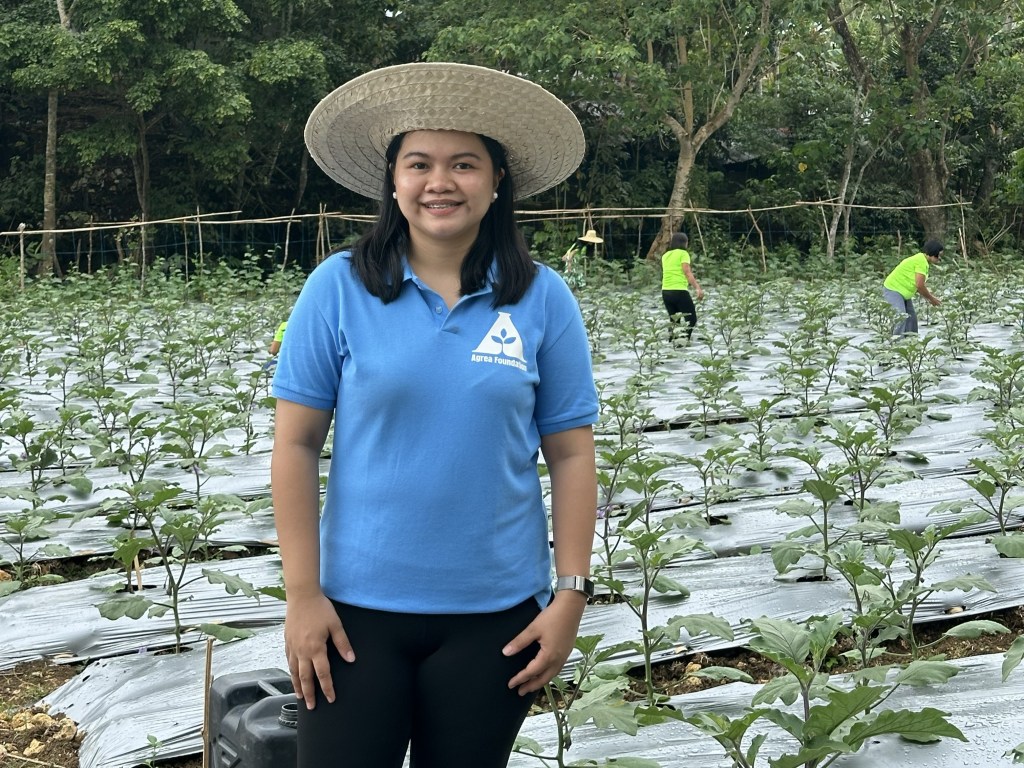
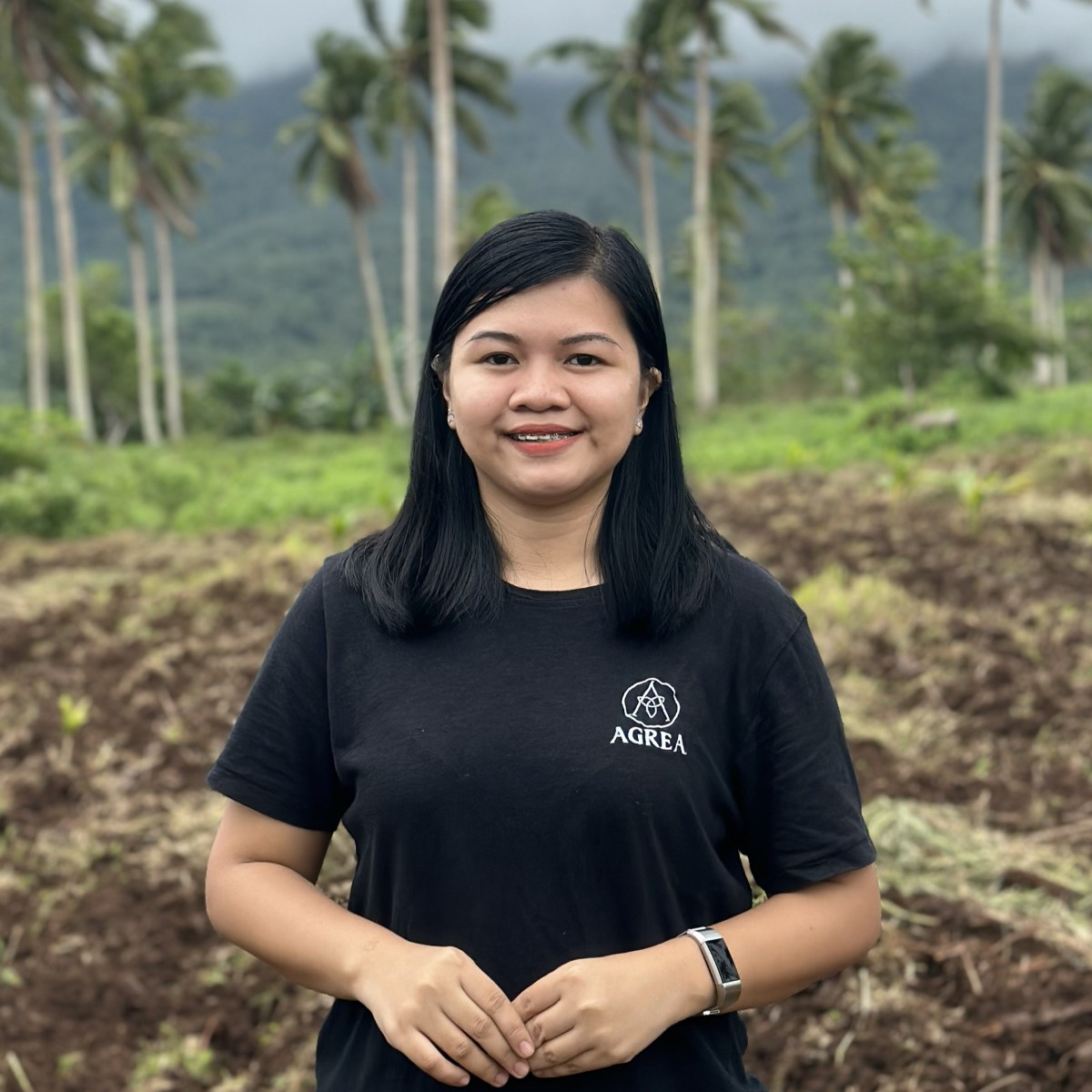
Christine Jodloman is a farmer based in the Philippines. She cultivates a diverse range of crops, including mangoes, palay (rice), and coconuts, drawing on 12 years of farming experience.
In addition to managing her family’s integrated farm, Christine works as an agriculture development worker, supporting farmers and fisherfolk through education, capacity-building, market access, and sustainable livelihood programs.
A lifelong connection to agriculture shaped her path—at just six years old, she used her Christmas gift money to buy 20 mango seedlings, which later helped support her family’s education and household needs.
Today, she continues to champion regenerative agriculture, food security, and stronger rural communities while honoring the values passed down through generations of farmers in her family.
In recognition of the International Year of the Woman Farmer, The Foodscapes Collective is highlighting women farmers whose work sustains families, communities, and food systems. This series shares the voices and experiences of women farmers through short conversations about their journeys, and the meaning of growing food.
In this farmer profile, Christine reflects on the last 12 years of farming in the Philippines.
What first inspired you to become a farmer?
It was my mother, and the generations of farmers before her, who first taught me the importance of being connected to the land. I grew up seeing how farming was not simply a livelihood for our family, but a way of life deeply rooted in hard work, resilience, stewardship, and community. Through her stories and example, I learned early on that the land provides not only food, but also identity, purpose, and dignity.
My family kept me grounded by constantly reminding me where we came from and the sacrifices that farming families make every day to feed communities. They taught me to value simple living, to respect nature, and to understand the importance of giving back to the sector that sustained our family for generations.
Being raised in an agricultural community shaped the way I see the world. It gave me a deep appreciation for farmers and fisherfolk. It also inspired my commitment to continue supporting rural communities through agriculture development, education, and livelihood programs. In many ways, my work today is a continuation of the values my family instilled in me to stay rooted, remain connected to the land, and use whatever opportunities I have to serve others.
Who taught you how to farm? Where did you learn?
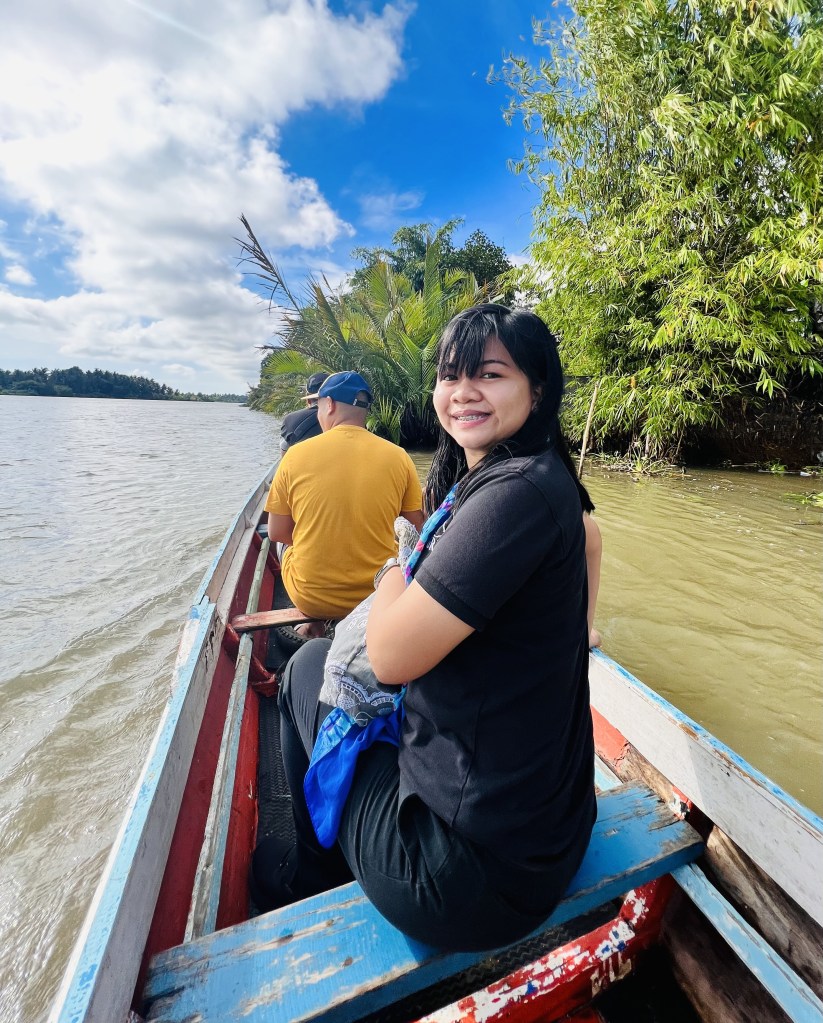
I grew up in the countryside in the southern part of the Philippines [Cotabato], often dubbed as the “food basket” of our region. Farming is our family’s way of life. I remember when I was six years old, my godparents gave me cash as their “aguinaldo” for Christmas. Instead of buying toys or sweet treats, I bought 20 mango seedlings. I always wanted to grow mangoes being my favorite fruit. Years later, the mango seedlings turned into trees. I was excited when the trees had flowers, and during the first harvest. The income from the sales of the mangoes helped us with school and food. That was my first agri-business experience.
Our family also owns a 2-hectare palay farm. I support my parents during the planning, land preparations, planting and harvest. The abundance of coconut trees in our backyard also meant a quarterly harvest of coconut fruits for water and copra, coco husk and shells for cooking [as firewood], coconut leaves for food packaging, and coconut oil for our haircare. We’re taught to not waste anything, and everything has its value.
Farming for me will always be rooted with family, and how we work together through the seasons. Farming is growing food, and growing livelihoods and communities as well. It’s more than cultivating the soil, but also cultivating people through diligence, dignity, and determination.
At present, I focus more on my work as an agriculture development worker. Supporting farmers and fisherfolks to access education, capacity-building programs, finance, and markets. I see this as my way of giving back to the sector that did so much for me and my family for generations.
What does a typical day on the farm look like?
A typical day on the farm starts early in the morning. Growing up, I learned that farming follows the rhythm of nature, so the day often begins before sunrise. Depending on the season, we check the mango trees, monitor the palay fields, or prepare for coconut harvests. There are also meetings with farmers, workers, and community members to discuss planting schedules, weather conditions, and market concerns.
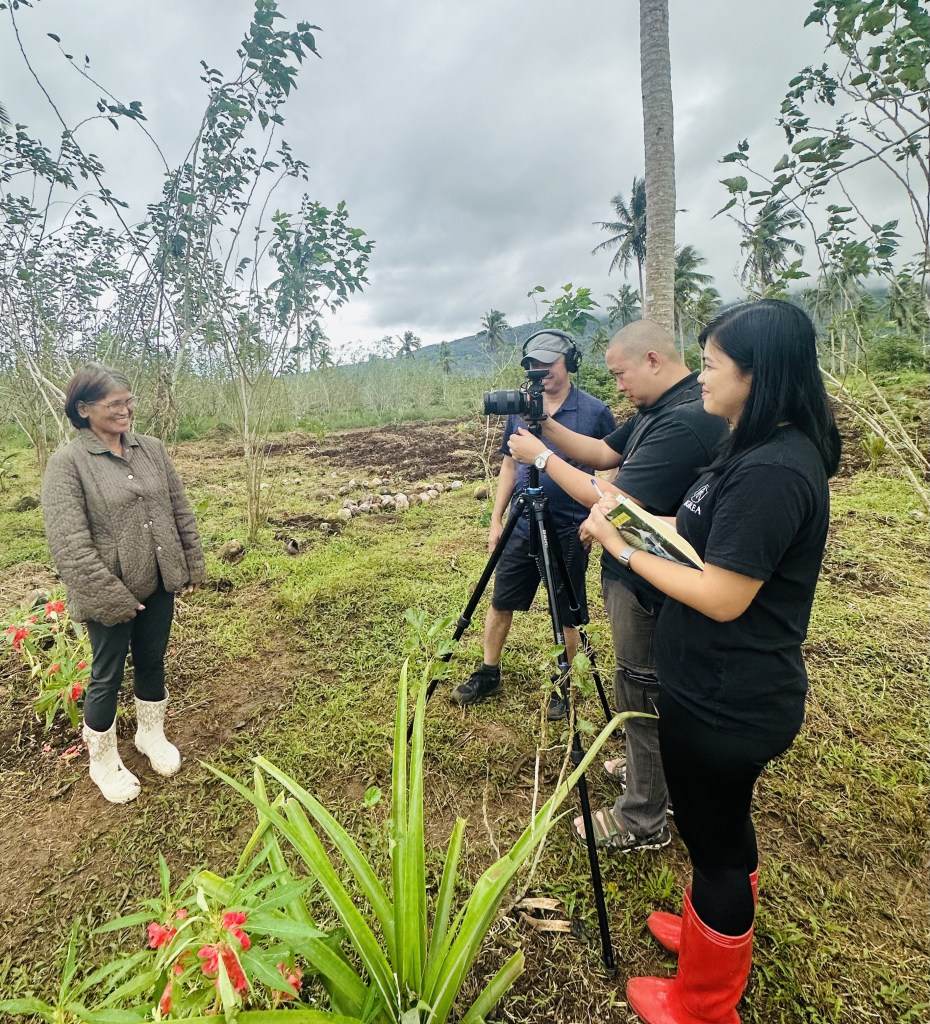
Since I also work as an agriculture development worker, my days are a balance between farm work and supporting farming communities. Some days are spent conducting trainings, visiting rural communities, helping farmers connect to markets, or working on programs related to regenerative agriculture, food security, and sustainable livelihoods.
No two days are exactly the same in agriculture. Farming teaches you to adapt, stay patient, and work closely with both people and nature.
What challenges do you face as a woman farmer?
One of the biggest challenges as a woman in agriculture is constantly having to prove your credibility and capacity in spaces that are still largely male-dominated. In many rural communities, women are deeply involved in every part of farming, from planting and harvesting to managing finances and caring for the household, yet their work is often unseen, undervalued, or considered secondary. There are still instances where women are not immediately recognized as farmers, decision-makers, or leaders despite carrying significant responsibilities within the agricultural value chain.
Access to land and financing also remains a challenge for many women farmers. Land ownership is still often concentrated among men, making it difficult for women to access collateral, formal loans, or larger investment opportunities. Many smallholder farmers, especially women, rely on limited resources and informal support systems to sustain their farms and livelihoods. Because of this, scaling agricultural enterprises or investing in new technologies can become difficult.
Market access is another concern. Farmers work tirelessly to produce food, yet many still struggle with unstable prices, limited market connections, and long value chains where the producers themselves receive the smallest returns. Women farmers often face additional barriers because they also balance caregiving responsibilities alongside farm work and community duties.
Climate change has also become one of the greatest challenges affecting agriculture today, especially in our country (Philippines). Extreme weather conditions such as stronger typhoons, droughts, flooding, and unpredictable planting seasons directly impact harvests, incomes, and food security. For farming families, these are not abstract issues, they affect daily survival and long-term sustainability.
Despite these realities, I continue to believe strongly in the resilience and leadership of women in agriculture. Women are not only food producers; they are community builders, innovators, educators, and caretakers of both people and the environment. Supporting women farmers through access to education, financing, technology, and leadership opportunities is essential in building stronger and more inclusive food systems.
What advice would you give to a young woman who wanted to farm?
I would tell young women to never underestimate the value, dignity, and potential of agriculture. Farming is not simply about producing food, it is about sustaining life, caring for communities, protecting natural resources, and shaping the future of our food systems. Agriculture is deeply connected to culture, family, climate resilience, entrepreneurship, and nation-building.
Many young people today may see farming as outdated or difficult work, but I believe agriculture is one of the most important and meaningful sectors in the world. There is so much opportunity for young women to contribute through innovation, technology, sustainability, social enterprise, agribusiness, policy, and community development. The future of agriculture needs fresh perspectives, creativity, and compassionate leadership.
I also encourage young women to stay connected to the wisdom of farmers and rural communities. Some of the greatest lessons in resilience, patience, stewardship, and hard work come from the land and from the people who cultivate it every day. Farming teaches humility because nature constantly reminds us that growth takes time, care, and consistency.
There will be challenges along the way. Whether it is lack of support, limited resources, or people underestimating your capabilities, but do not allow these to discourage you. Women belong in agriculture not only as workers, but as leaders, innovators, land stewards, and changemakers.
Most importantly, remember that agriculture is ultimately about people. Every seed planted represents hope, nourishment, livelihood, and opportunity. To grow food is to care for humanity and the planet at the same time.
Photos courtesy of Christine Jodloman
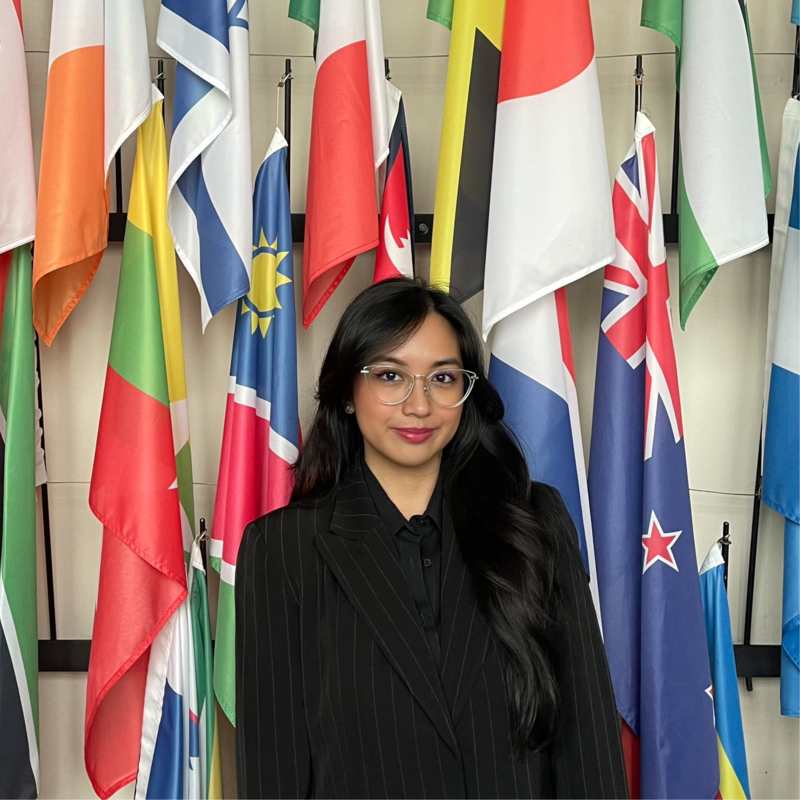
Farrah Jasmine Dingal
Farrah Jasmine Dingal is a Policy Associate at the Alliance to Feed the Earth in Disasters (ALLFED), where she researches climate risk, disaster management, and food systems resilience. She serves on the Board of Advisors for the British American Security Information Council’s Emerging Voices Network and served as the Executive Director for the World Food Forum Philippines National Chapter. She holds a Master of Professional Studies, Renewable Energy and Sustainability Studies from Penn State University.
Want more content like this? Subscribe to The Foodscapes Collective to be the first to know about articles like this and more.



Leave a Reply