The Adelante Mujeres Forest Grove Farmers Market is more than a marketplace—it is a vibrant hub where community, culture, and regenerative agriculture come together.
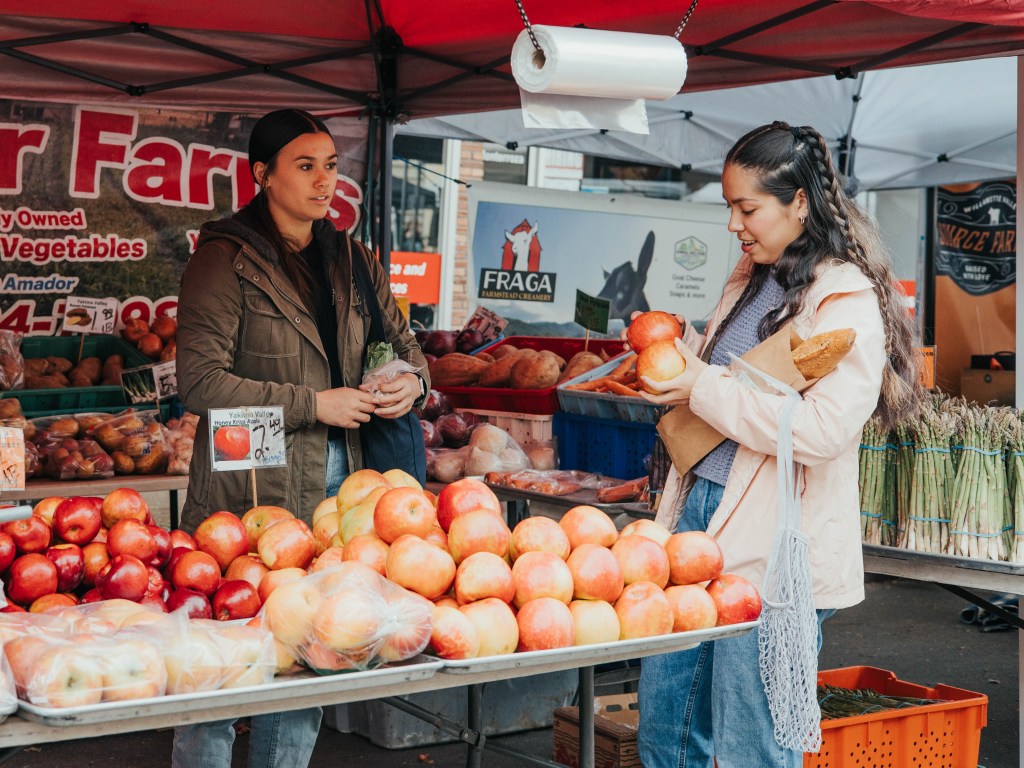
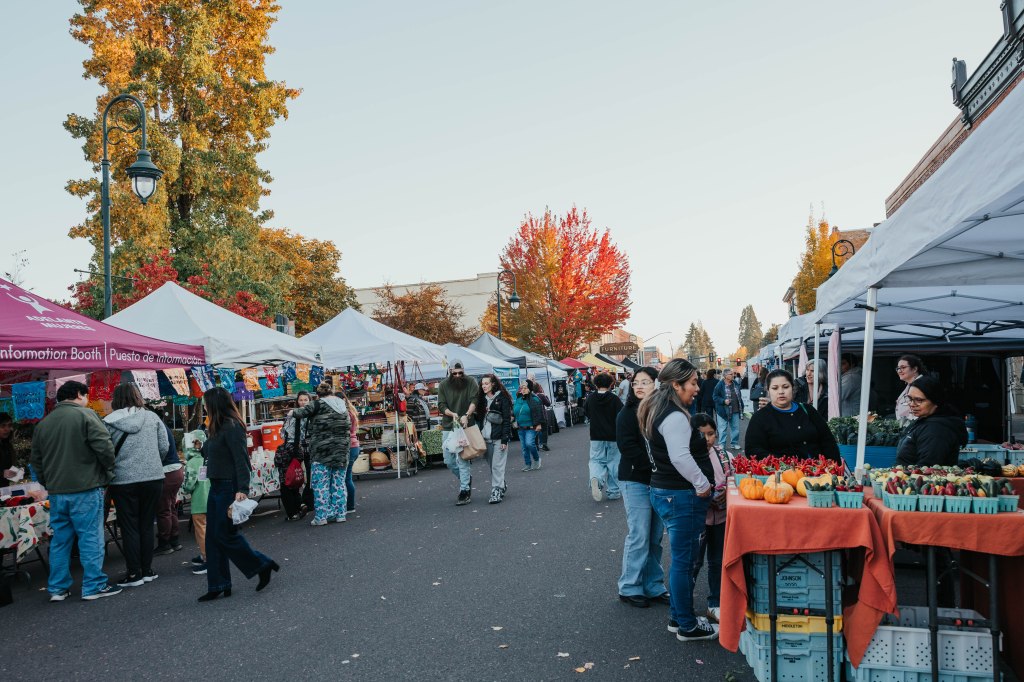
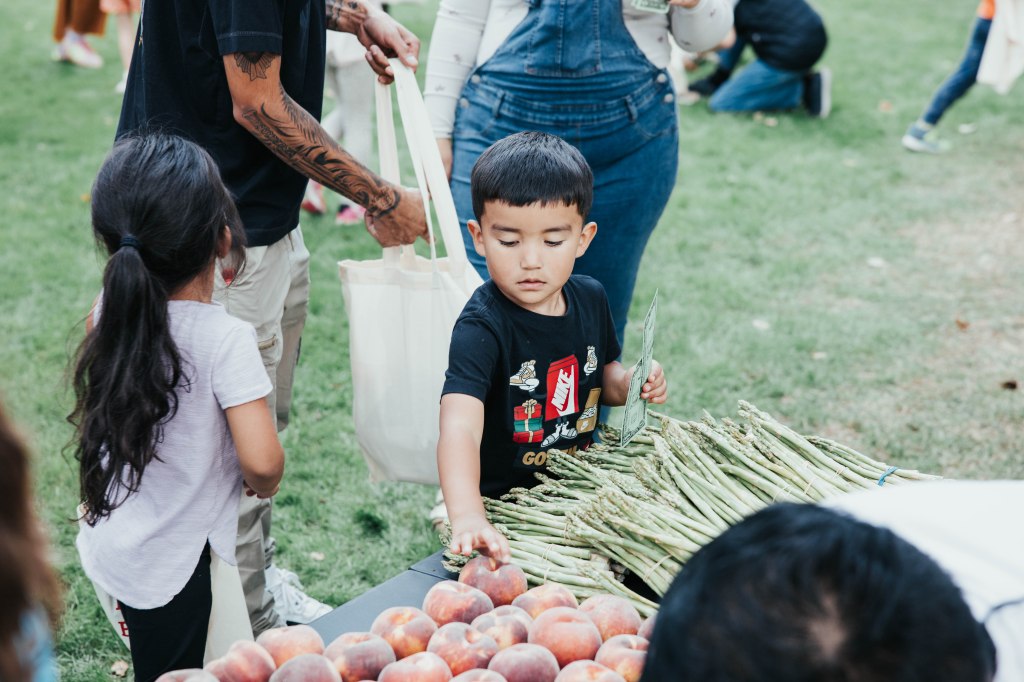
Every Wednesday afternoon throughout the summer, Forest Grove’s Main Street fills with the sound of live music and the overlapping chatter of Spanish and English. Thousands pass through over the course of the afternoon. Marketgoers browse tables of handmade crafts, filling bags with locally grown produce, and stopping to greet neighbors and friends. At one of the farmers’ stalls, a line has already formed; regulars say her cilantro is the best at the market, often selling out before the afternoon is over.
But the market is not an ordinary one. As noted in the 2025 Farmers Market Annual Report, “Our markets offer more than goods, they offer a space for people to connect and come together,” says Delicia Arellano, former Farmers Market Specialist. The market, created in 2005, is organized and owned by Adelante Mujeres and serves multiple purposes: a space for cross-cultural exchange and a small business incubator for local Latine families.
Adelante Mujeres, meaning “women moving forward”, was founded in 2002 by Sister Barbara Raymond and Bridget Cooke along with 15 Latine mothers in Washington County, Oregon. Beginning as English classes for the participating members, the organization grew organically as their needs expanded: members wanted to earn their GEDs, find childcare support, and learn how to run small business.
Today, more than two decades later, Adelante Mujeres has a staff of 135 and serves around 22,000 people annually. “This organization really focuses on empowering and educating women and girls,” Elizabeth Aguilera, Director of Communications, tells The Foodscapes Collective. “We know that when women and girls thrive, the whole family thrives.”
Latine people make up an estimated 18% of the U.S. population and yet remain significantly underrepresented in decision-making roles in society. Knowing these challenges, Adelante Mujeres was built to close that gap, and its work rests on three core values: empowerment, education, and enterprise.
Under these values, the organization offers a number of overlapping programs to meet community needs directly: adult and childhood education, health and wellness, agriculture and land access, small business development, and mental health services, among others.
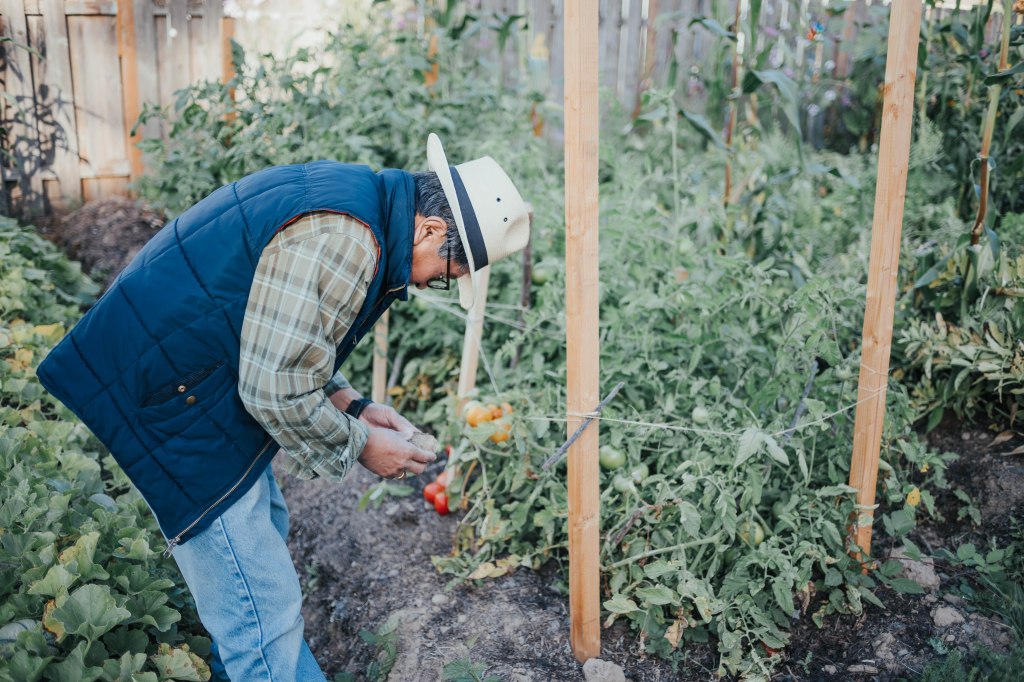
In the regenerative agriculture program, Elizabeth explains, “we teach folks about different regenerative agricultural practices, as well as the importance of healthy soils and waterways.” The program runs as a 12-week course held each spring and fall, welcoming cohorts of 20 to 30 participants, often whole families learning together.
In collaboration with local experts, classes take place in the classroom as well as in the community garden and farm site visits, giving participants hands-on experience with the land itself. Workshops to build skills are catered to culturally specific and community needs, for example, making salsa with leftover jalapenos, making tortillas traditionally, or learning about native plants used for healing.
For graduates of these programs, the Forest Grove Farmers Market is often the next step. Vendors who have completed the regenerative agriculture or small business courses get priority access to sell their fresh produce, prepared foods, or handmade crafts, turning what they’ve learned into a livelihood, and giving the community greater access to fresh, culturally relevant foods.
But for many participants, this work is about more than income. For those building a life in a new country, a sense of home is often tied to familiar foods, the things you grow, cook, and share. This connection is what drew Jose* back to farming.
After moving to the US from Mexico, it wasn’t until Jose enrolled in Adelante Mujeres’ agricultural classes that he found his way back to it. “He found his joy and sense of home again,” Elizabeth says.
Starting with a small plot in the community garden, he then leased land as his interest started to grow. His wife began cooking and preserving the surplus, and eventually the two enrolled in Cocinemos, the organization’s food business course. They turned their kitchen into a food cart, before expanding to a year-round catering business. Their daughter, in the meantime, has grown up attending Adelante Mujeres’ early childhood program.
It’s a small but telling example of how, at Adelante Mujeres, support for one person quickly becomes support for the whole family and helps them thrive.
Over the past year, increased immigration enforcement in Washington County has left many families in the community shaken. “There’s a lot of fear in the community and a lot of families that have been disrupted and torn apart,” explains Elizabeth. “We’ve been providing a lot more emergency services for the community.”
In their own way, the community gardens themselves serve as a safe and therapeutic space to support affected families. “In a time of crisis, reconnecting with the earth, growing your own food, being able to nurture something that’s yours and helps your family thrive feels really grounding when everything else feels really stressful and chaotic,” Elizabeth adds.
Beyond the immediate crisis in the community, a slower-moving threat is also reshaping how Adelante Mujeres’ farmers’ work: climate change. Unpredictable weather events are affecting growing seasons and water access. At the regenerative agriculture course, they teach participants how to mitigate these effects.
The market offers flexibility that’s hard to find elsewhere. Elizabeth explains: “you are able to bring what you managed to grow.” It’s a small win, but one that lets farmers respond to a changing climate on their own terms.
As both political and environmental pressures continue to mount, organizations like Adelante Mujeres are doing more for communities than offering classes and market stalls. They are offering a place to grow, to belong, and to thrive together.
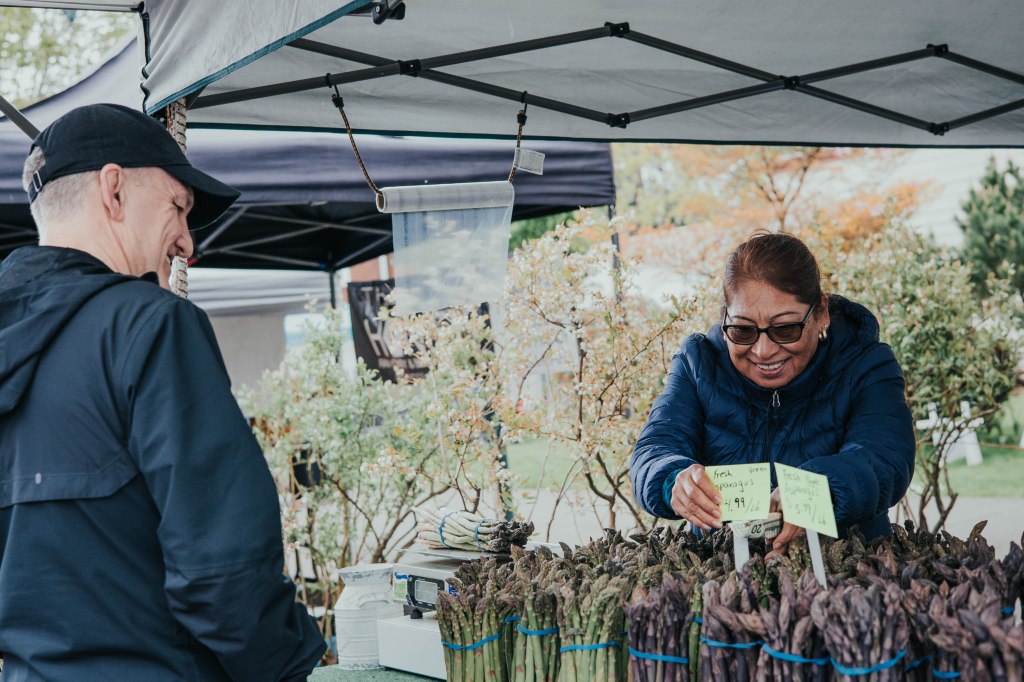
Back at the Forest Grove Farmers Market, the cilantro will likely sell out again this Wednesday. It’s easy to see only the produce, feel the energy from the music, or get lost in the crowds. But for many of the families selling and shopping there, the market offers something steady, especially in a moment when so much feels unstable.
*name changed for privacy
Photos courtesy of Adelante Mujeres
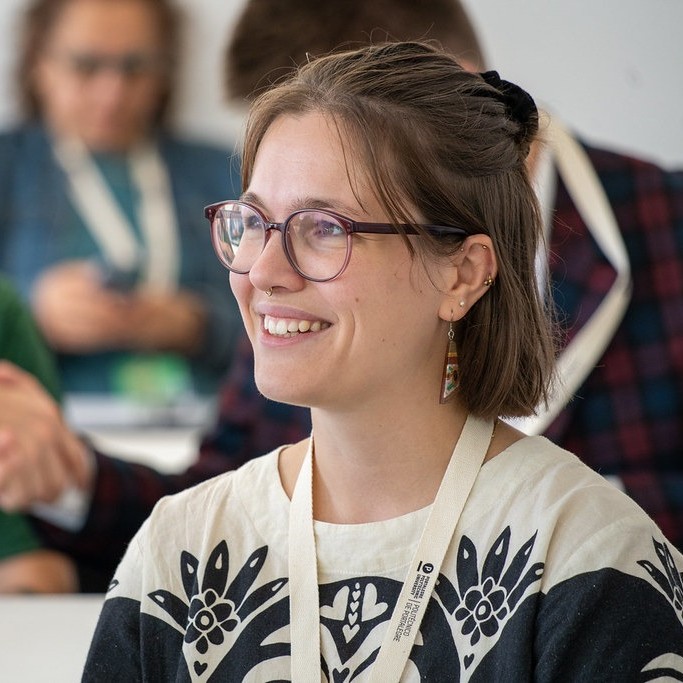
Morgane Bataki
Morgane is co-founder of The Foodscapes Collective and a recent PhD graduate in Environmental Sciences at the Open University of the Netherlands. She holds a BA in Cultural Studies and an MA in Food Politics. While her research focuses specifically on transformations towards sustainable agriculture, she is equally passionate about all things food-related, especially exploring the world through diverse cuisines.
Want more content like this? Subscribe to The Foodscapes Collective to be the first to know about articles like this and more.





Leave a comment