
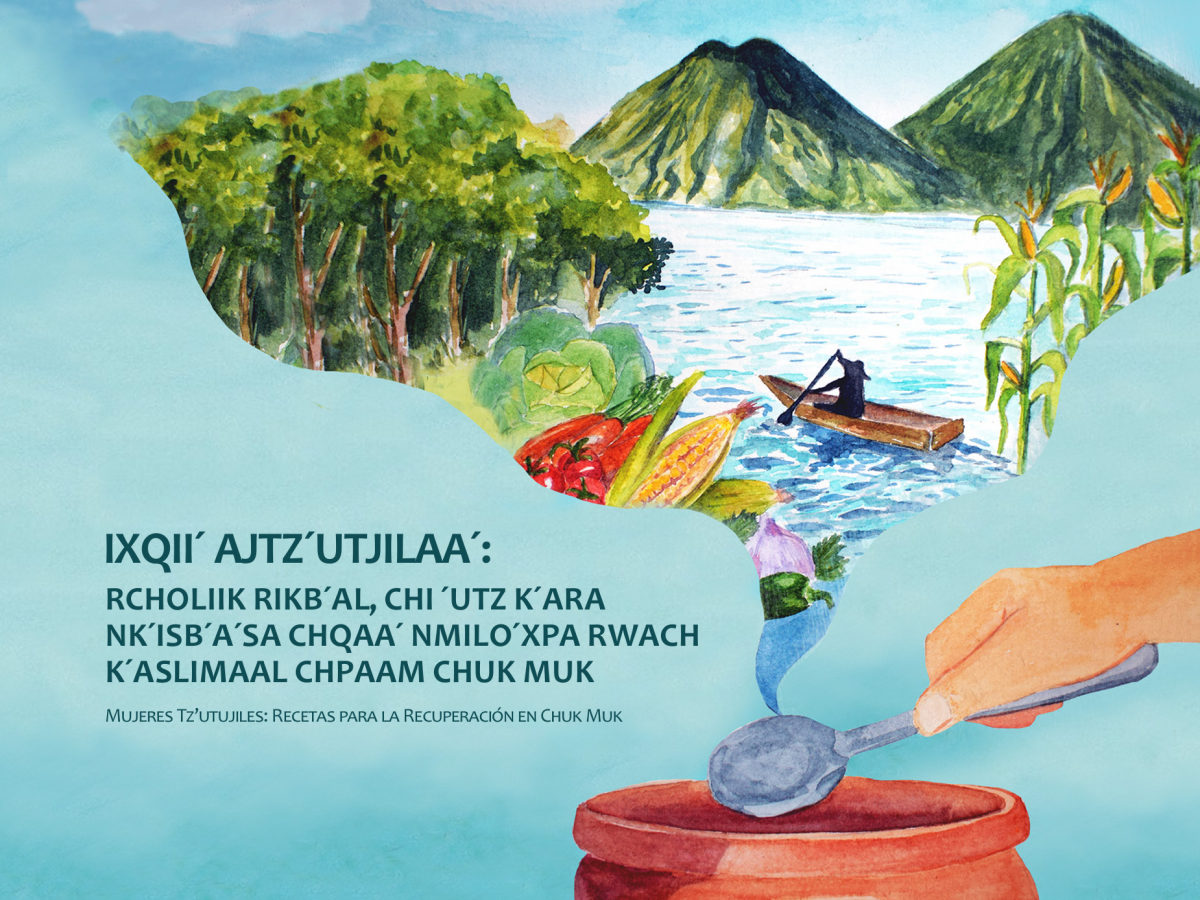
The story behind the collaborative research project that produced Mujeres Tz’utujiles: Recetas para la Recuperación en Chuk Muk.
Recipes preserve far more than food. Within the list of ingredients and cooking instructions are generations of family traditions and cultural identity. In the aftermath of disaster, when people are displaced from their ancestral homes, these traditions can be disrupted or lost. Yet food can also become an important part of recovery, helping people reconnect with their heritage, rebuild social ties, and strengthen community resilience.
In Guatemala, these ideas inspired Mujeres Tz’utujiles: Recetas para la Recuperación en Chuk Muk, a cookbook produced through a collaborative research project exploring how documenting food traditions can support cultural recovery after displacement. The project brought together Tz’utujil Maya women from Chuk Muk, researchers from the University of Edinburgh, and local collaborators. It grew out of the Ixchel Project, an interdisciplinary initiative examining resilience to natural hazards in Guatemala while placing Indigenous knowledge at the center of its work.
“Recetas para la Recuperación emerged as a community action-research process whose central focus is psychosocial, cultural, and territorial recovery … the women were not conceived as research subjects but as knowledge holders, as agents of resilience and collective memory,” Ana Julia Cabrera Pacheco, a researcher at the University of Edinburgh, tells The Foodscapes Collective.
Rather than simply documenting recipes, the project explored how cooking, home gardens, and traditional food knowledge could support Indigenous food systems and community resilience.
That story begins with one of Guatemala’s deadliest natural disasters.
In October 2005, Hurricane Stan triggered a massive landslide that buried much of the nearby Tz’utujil Maya community of Panabaj. Survivors were relocated to Chuk Muk, a purpose-built settlement several kilometers away. Although families received new homes in a safer location, they lost access to the familiar forests, fertile land, and shoreline of Lake Atitlán that had shaped their livelihoods and food traditions for generations.
For Diego Antonio Reanda Sapalú, a researcher from Santiago Atitlán, those losses revealed that recovery involves much more than rebuilding infrastructure.
“The material loss was not what hurt the most,” he tells The Foodscapes Collective. “It was the disconnection from their roots, territory, and community.”
That realization became one of the driving motivations behind Recipes for Recovery.

For Cabrera Pacheco, food offered a powerful lens through which to understand recovery. Having previously worked alongside Maya women, she was struck by the close relationship between territory, agriculture, and everyday cooking. “I am deeply inspired by the connection Maya women have with their territory and with the teachings of their mothers and grandmothers,” she explains.
Instead of arriving with a fixed research agenda, the team allowed conversations with the women of Chuk Muk to shape the project. Initial visits in 2023 focused on mapping home gardens, documenting local agrobiodiversity, and discussing the meals families prepared each day. As trust developed, the women identified their own priorities, including strengthening home gardens, accessing native seeds, and preserving traditional recipes.
Generations of knowledge about food and family traditions have long sustained Tz’utujil communities and have been passed down through oral tradition. As Reanda Sapalú explains, “The grandmothers’ secrets and teachings are not written in books. They live in the dishes, where each piece of advice, each struggle, and each act of resistance is inscribed.”
When documenting the recipes, it was a conscious decision not to use precise measurements. Instead, they used phrases such as un puñito de sal (“a little fistful of salt”), acknowledging that much of this knowledge is intuitive and learned through experience.
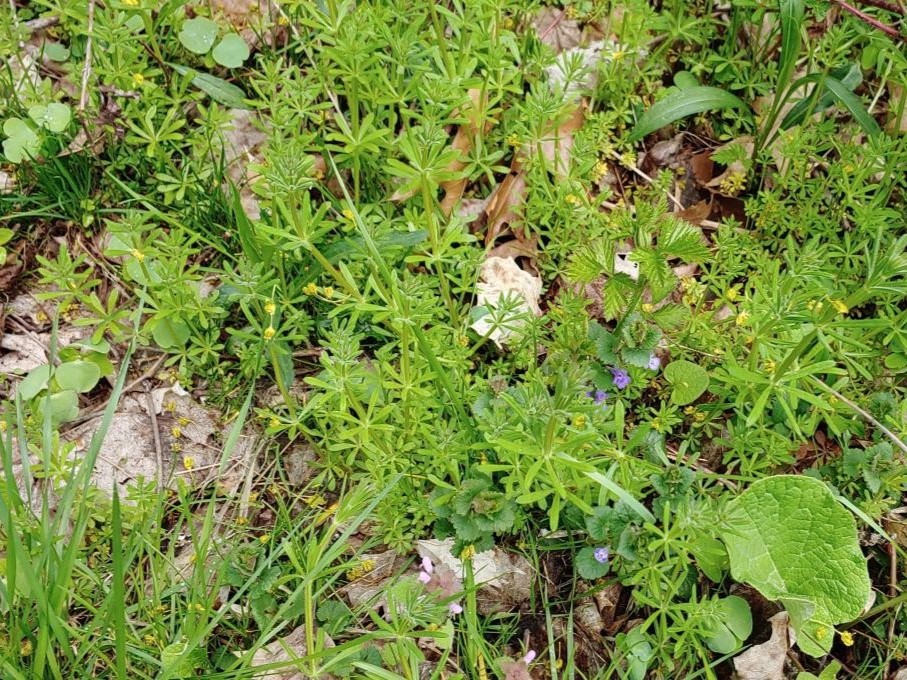
Home gardens became another window into recovery, with many families in Chuk Muk continuing to cultivate native crops and medicinal plants in the small spaces available to them.

During the project, Cabrera Pacheco was particularly struck by the changing perception of certain herbs traditionally used in cooking.
She says, “Some women originally described them as survival foods, ‘because it’s all we have to eat’, but after planting them in their own gardens with the seeds they requested for the project, they told us with excitement that their children were now asking for the dish, and that they felt joy going into the yard to cut the herb for cooking.”
Foods once linked to scarcity had become sources of pride. The experience illustrates how gardens can support food sovereignty while reconnecting younger generations with their cultural heritage.
For humanitarian organizations, development practitioners, and researchers alike, the project offers a reminder that recovery extends beyond physical reconstruction. Supporting Indigenous food systems, local knowledge, and community priorities can be an important part of rebuilding the relationships between people, land, food, and culture that disasters can disrupt.
The researchers close by saying, “The recipes reflect not only the past and the memories of mothers and grandmothers, but also the future the women want for their daughters and sons.”
While Mujeres Tz’utujiles: Recetas para la Recuperación en Chuk Muk is a cookbook, it is also the product of a much broader collaborative effort. By bringing together researchers, artists, translators, and Tz’utujil Maya women, the project demonstrates how participatory research can document Indigenous knowledge without separating it from the people and places where it lives.
To learn more about the publication itself, including its recipes and cultural significance, read our companion review of Mujeres Tz’utujiles: Recetas para la Recuperación en Chuk Muk. The full bilingual cookbook is also freely available online, inviting readers to explore the recipes, stories, and knowledge that inspired the project with beautiful illustrations from Kyra Rodas González y Andrea Rabinal Mendoza.

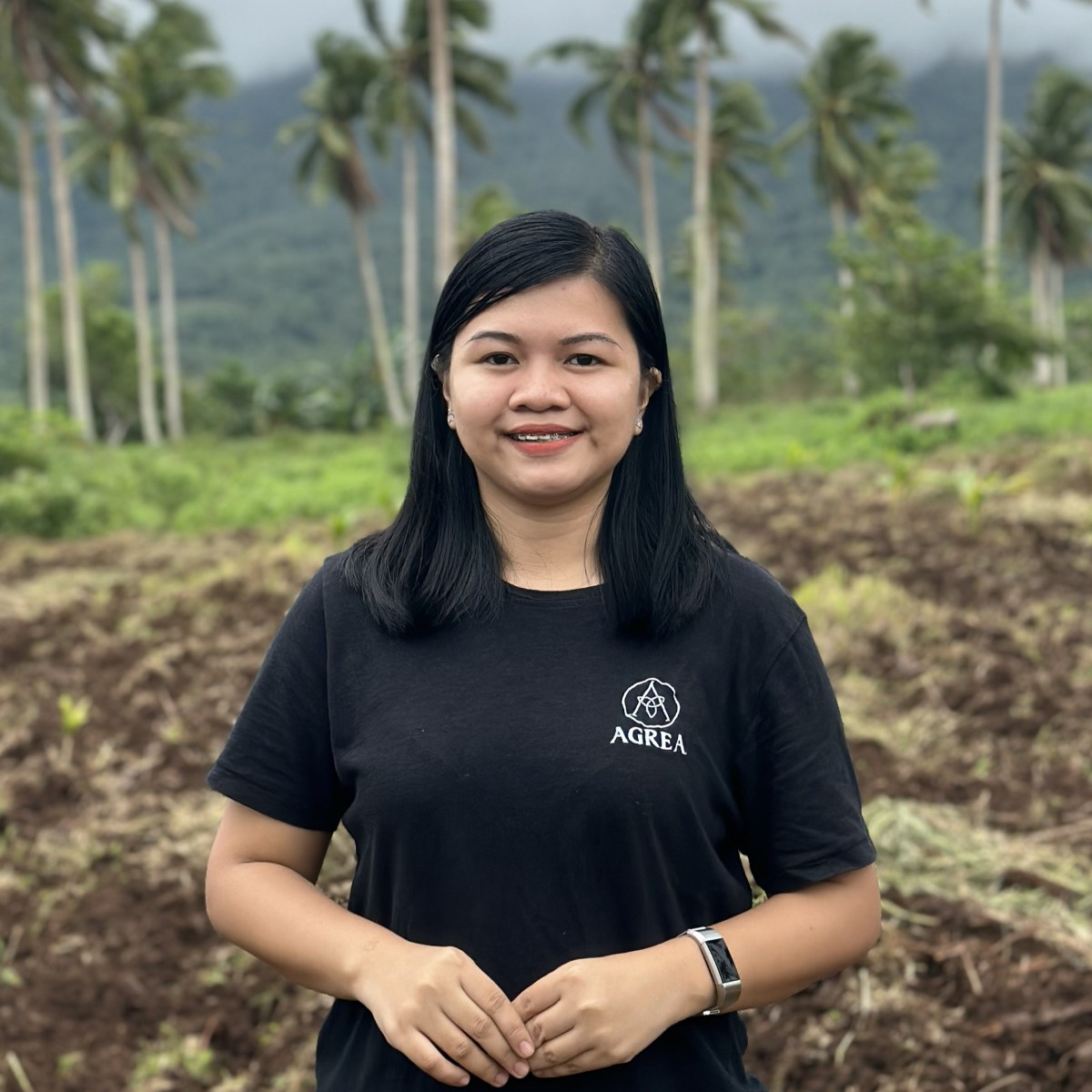
Photos provided by Diego Antonio Reanda Sapalú and Ana Julia Cabrera Pacheco.
Joel Matheson
Joel Matheson is co-founder of The Foodscapes Collective and is passionate about sustainable agriculture, food security, and climate resilience. He holds an MA in Global Studies and a BA in Environmental Studies. He was a Peace Corps volunteer in Jamaica and Nepal.
Want more content like this? Subscribe to The Foodscapes Collective to be the first to know about articles like this and more.



 The Foodscapes Collective
Leave a comment