
By: Abhishek Yadav
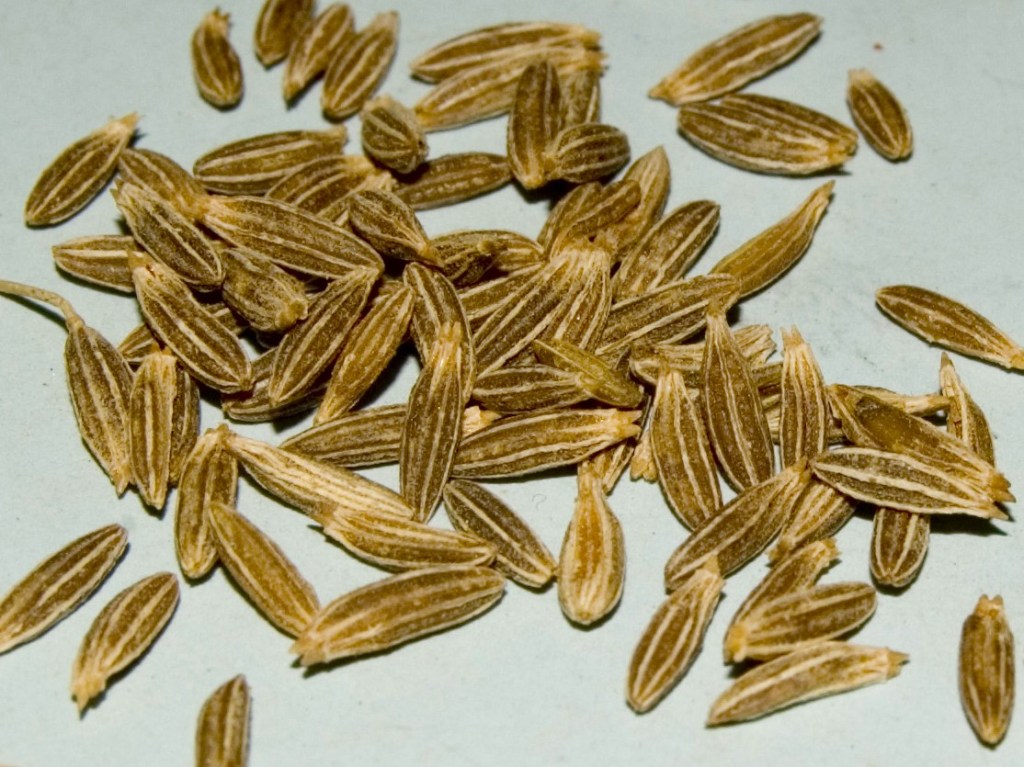
Cumin is in almost every Indian kitchen. It is the seed that goes into hot oil first, before the onions, and the smell tells you dinner has started.
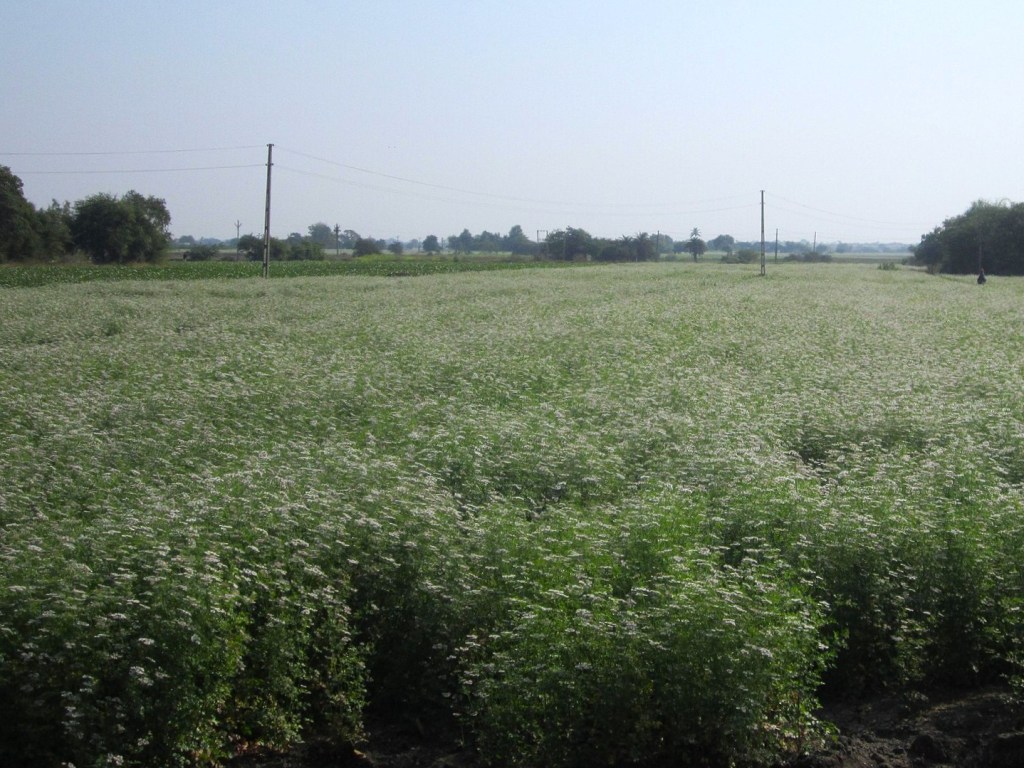
India also grows most of the world’s cumin, and it is grown largely on small farms in Gujarat and Rajasthan. A study in the International Journal of Seed Spices puts the area under cumin at about 7.14 lakh hectares in 2022-23, with an average yield of around 647 kg per hectare.
I work in the cumin trade. I buy at the Unjha market in Gujarat for export, and I check every lot and its lab report before I buy. What I see there has changed how I think about the crop. Most of the attention goes to the field: the rain, the blight, the yield. But a lot of what a farmer is paid is decided in the days after the harvest, when the crop is dried, cleaned, bagged and sold.
Cumin is also a risky crop. Alternaria blight, which spreads in humid weather after flowering, can cause losses of up to 80% in bad years. Unseasonal rain or fog close to harvest can spoil the colour and smell of the seed even when the plants survive.
Farmers know this risk well, but the challenges don’t end there. The next stage, when cumin is dried and prepared for market, often receives far less attention and support.
A 2018 survey of 200 cumin-growing households in Rajasthan, by K.J. Joseph and S. Mohanakumar at the Centre for Development Studies, looked at this stage in detail. The picture it gives matches what I see when lots arrive in the market.
Every farmer in the survey dried the crop in the open sun. Only about 3.6% had received the Spices Board’s subsidised polythene sheets for drying, and around 77% did not know the scheme existed. Seed dried on bare ground picks up soil, stones and dust, and the buyer sees it straight away.
About 84% of farmers cleaned their cumin by hand. Machine cleaning and drying facilities were mostly available to traders. That means the step that moves a lot from a lower grade to a higher one is usually done by the trader, and so is the extra money it earns.
None of the farmers in the survey had their cumin tested. The main reason was cost, given by 88%, followed by distance. A farmer who does not know the moisture or purity of his own crop has no way to argue about the grade a buyer gives it.
Around 80% of the produce in the survey was sold at harvest time, when prices are usually at their lowest, and nearly 80% went to traders and agents. Only about 2% went directly to wholesalers. Farmers who sold to local agents reported prices 20 to 30% lower than in the specialised market, and many were tied to traders through advances taken during the season.
Distance is part of it. For Rajasthan farmers, Unjha is 350 to 500 km away, and the survey found that transport cost often outweighs the price difference. So farmers sell locally, even though a better price exists elsewhere.
What could change?
I am a buyer in this chain, and I would like cleaner cumin to reach the market. But the same facts show a gap that is not about luck. It is about small, practical things that farmers are missing.
Drying sheets and cleaning machines, shared through farmer producer organisations, would let more farmers do the cleaning themselves. Cheap moisture meters and simple purity checks in the village would let them see a grade before they sell. Storage advice, together with warehouse-receipt and credit schemes, could let some farmers hold part of the crop for a better price. And simple demonstrations by local agricultural extension centres, showing the price gap between the seed dried on the ground and seed dried on a sheet, would explain the case better than any leaflet.
None of this needs a new institution. It simply means giving the weeks after harvest the same attention and support that the growing season already receives.
India’s spice exports are doing well. A Press Information Bureau feature on the spice economy reports exports of USD 4.45 billion in 2024-25. The question I keep coming back to is how much of that reaches the person who grew the seed. Cumin will always be a risky crop in the field. What happens after the harvest does not have to be.
Featured photo courtesy of Chaitanya B D

Abhishek Yadav
Abhishek Yadav is the founder of Gadin Exports, a cumin and seed spice exporter based in Gurugram that buys directly at the Unjha market in Gujarat. He has spent two years in the cumin trade, and he checks every lot and its lab report before buying. Email: abhi.zlato@gmail.com
Want more content like this? Subscribe to The Foodscapes Collective to be the first to know about articles like this and more.





Leave a Reply