Every meal tells the story of connection – between people, plants, animals and our environment. One Health Day is a celebration of this connection and a call to recognize this connection more broadly in our daily lives and in society.
The One Health High Level Expert Panel (OHHLEP) defines One Health as “an integrated, unifying approach that aims to sustainably balance and optimize the health of people, animals and ecosystems”. Under the One Health vision, all life on earth, and its ecosystems are closely linked and inter-dependent. Few systems illustrate this better than the way we grow, produce and share food.
Our food system is a complex, living network. Healthy crops rely on fertile soils, clean water, and thriving pollinators. Livestock and wildlife interact with the same environments, shaping and being shaped by them. Human health depends on the safety, diversity, and nutrition of what the land and animals provide. When one part falters the whole web weakens. Take the example of foodborne illness from salmonella and e.coli, soil degradation, or anti-biotic resistance. All of these have significant and wide-reaching impacts, reminding us that our health cannot be seperated from that of aniamls and the environment.
Applying a One Health approach means rethinking our food system. It calls for a holistic approach, one where farming practices nurture the soil, animal welfare is prioritized, biodiversity is protected through policies, and everyone has access to balanced and nutritious diets. Farmers, food producers, consumers, and policymakers all play a role in building a system that nourishes people and the planet alike.
Yet bridging vision and practice remains a challenge. The One Health approach isn’t simply about doing things differently. It is asking us to rebuild and redefine our relationship with the environment. To continue in this example, to value food not just as a product, but as part of the ecosystems that sustain us. Robin Wall Kimmer captures this beautifully in Braiding Sweetgrass: “The relationship between self and the world is reciprocal. As we work to heal the earth, the earth heals us.”
By embracing the One Health perspective, we can design food systems that keep people healthy, animals thriving, and ecosystems resilient. Building healthier food systems means building a healthier world.
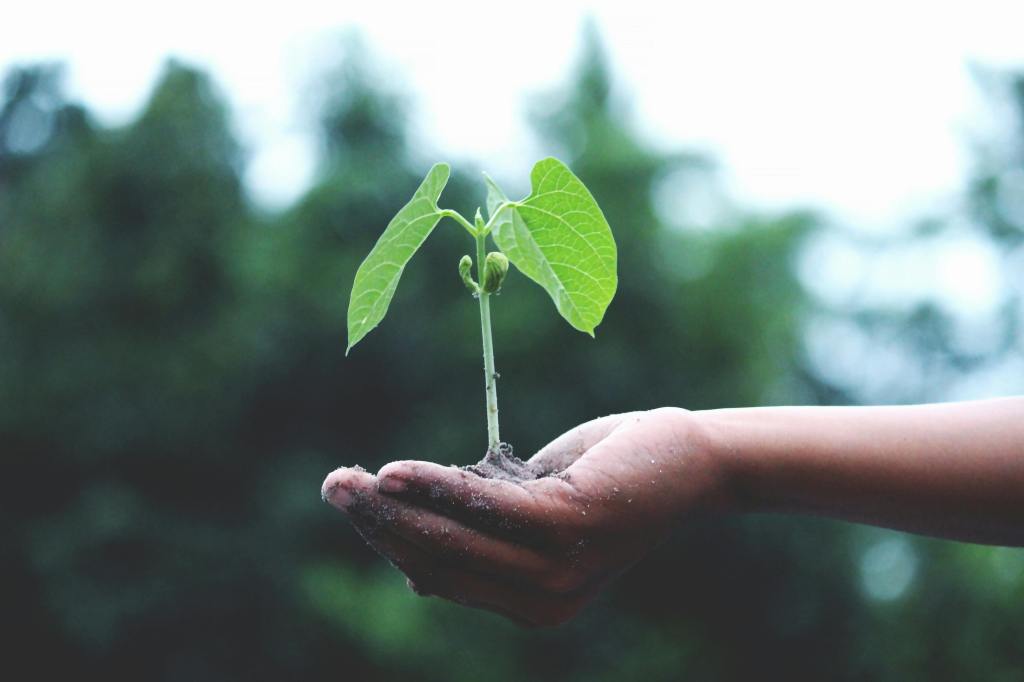
Photo courtesy of Akil Mazumder on Pexels

Want more content like this? Subscribe to The Foodscapes Collective to be the first to know about articles like this and more.



Leave a Reply