
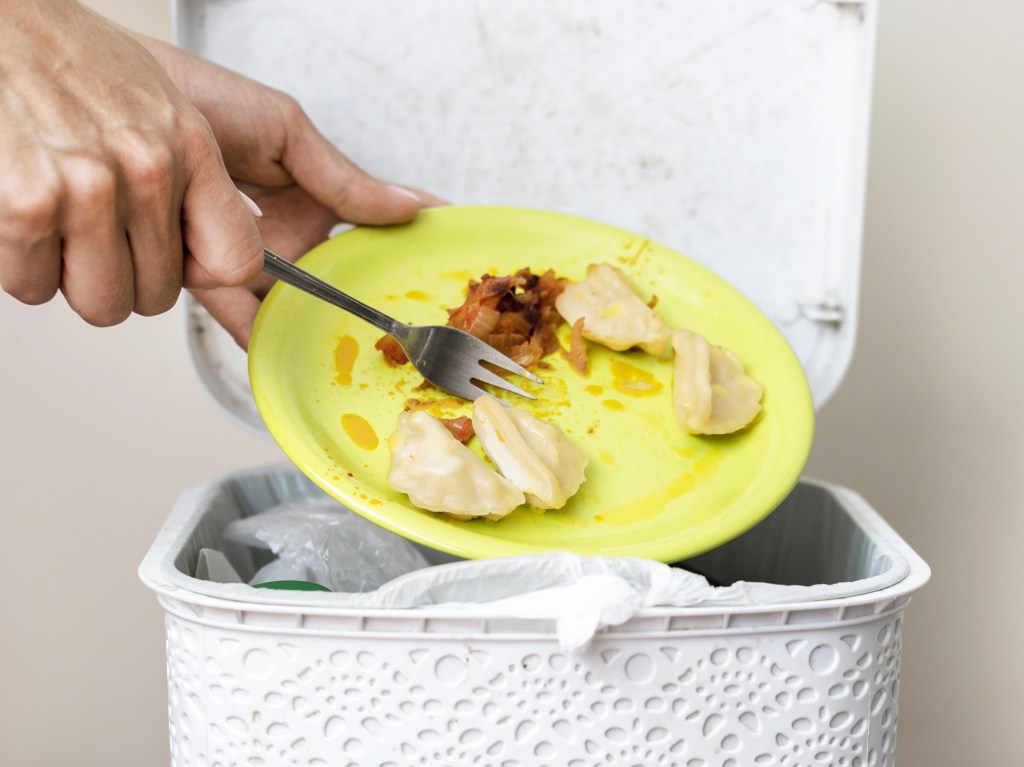
This article uses Canada as a case study to examine the growing challenge of food waste and loss. Drawing on research, policy analysis, and international examples, five practical policy recommendations are outlined alongside actionable steps individuals can take to help build a more sustainable, resilient, and equitable food system. While focused on Canada, the article offers insights and lessons that are relevant to global audiences working to address food waste in their own communities and countries.
This article was written by Haba-Maria Konaré and the team at Reimagine Agriculture.
The Opportunity of Food Waste
Every year, Canada wastes a whopping 46% of all the food it produces. Food waste and loss (FWL) is an issue that is happening at every stage of the supply chain; from farms and processing facilities to grocery stores and households. What’s worse, is that in many cases, it happens because discarding it is the easiest and most convenient option. This avoidable waste carries significant economic, environmental, and social impacts, especially at a time when Canada is facing rising financial insecurity and climate pressures.
This challenge, however, presents a major opportunity. Much of the food currently being wasted is entirely avoidable, meaning that targeted action could quickly deliver meaningful economic, environmental, and social benefits. By improving how food is produced, distributed, consumed, and recovered, Canada has the potential to lower costs, reduce emissions, strengthen food security, and build a more resilient food system for the future.
The Impacts of Food Waste in Canada
Diving further into the issue, it becomes clear that food waste in Canada is much more than an environmental issue. It is systemic and has far-reaching impacts.
- $58 billion annually, approximately 3% of Canada’s GDP, is lost to food waste.
- Waste contributes to higher food prices, increasing costs by an estimated 10%.
- While food is being wasted, 10 million Canadians, including 2.5 million children, face food insecurity.
- 8.8 million tonnes of edible food could be redirected to people in need each year.
- Reducing avoidable food waste could cut national greenhouse gas emissions by 25.7 million tonnes of CO₂ .
- Over 60% of the food thrown away in Canadian homes could have been eaten. For the average household, this amounts to 140 kilograms of waste each year, at an approximate cost of $1,300 per year.
Where to Look for Solutions
Addressing FWL at scale requires coordinated efforts from actors all throughout the food chain, from individuals to governments, policy makers, organizations, the private sector, and more. Unfortunately, voluntary and individual efforts alone will not be enough to drive systemic change, especially when tackling complex food supply chains.
Reimagine Agriculture, an organization whose mission is to educate, influence, and collaborate to create a compassionate, sustainable, and resilient agricultural system, has dedicated significant effort to developing recommendations that are grounded in research and are informed by successful international examples.
Case studies from around the world, from countries with a similar food system and society to Canada, have demonstrated that clear targets, standardized measurement, and strong incentives can significantly reduce FWL. Building on this evidence, Canada has a clear opportunity to adopt these approaches and tailor them to its community, regional, municipal, provincial, and national context.
Five Achievable Policy Solutions
Given the far-reaching nature of this issue, the solutions that our governments could employ are also wide-spread and numerous. Here are five proven solutions that would have the greatest impact on the FLW issue in Canada.
1. Target, Measure, Act
The Target, Measure, Act (TMA) framework is recognized internationally as the gold standard for addressing food loss and waste (FLW). It involves three key steps:
- Setting a clear reduction target.
- Systematically measuring FLW across the supply chain
- Taking informed, strategic actions to meet that target
This is a structured approach that ensures accountability and long-term progress.
2. Removing or Altering Best Before Dates
Each year, roughly 1.7 million tonnes of food is wasted because Best Before Dates (BBDs) are misinterpreted as safety warnings. Retail practices worsen this problem, as many supermarkets pull products from shelves days before the BBD to avoid liability or brand concerns.
By removing or altering best before dates on certain food products, 0.38 million tonnes of household food waste could be avoided each year, as 23% of avoidable household waste is caused by misunderstanding BBDs. Canadian households could save $246 each year in food costs, and could see their grocery bills shrink, as avoidable FW in Canada drives food prices up by around 10%.
Reimagine Agriculture suggests that Canadian Food Inspection Agency (CFIA) regulations should be amended to remove BBDs from non-perishables with a shelf life longer than 90 days. For products with a shelf life of less than 90 days, there must be standardized qualities to determine a date that will not contribute to unnecessary food waste, and should be modified to note “Best Before ≠ Expiry.”
3. Strengthening Food Donation Policies
Canada’s food donation system is inconsistent, small in scale, too late in the supply chain to meaningfully reduce FWL. Moreover, it is marked by legal fragmentation, limited effectiveness of incentives, and policy marginalization. Strengthening donation policies such as requiring the donation of unsold food, as is the case with France, will ensure surplus food is not wasted.
4. School Nutrition Programs
Schools are one of the most strategic, equitable, and logistically feasible channels for food redistribution. As trusted public institutions embedded in communities, schools are uniquely positioned to reach large numbers of children, regardless of household income, through well-established infrastructure for food preparation, delivery, and oversight. Programs can be spearheaded by the provincial governments, facilitated at the municipal level, while being supported federally.
Introducing financial incentives, such as tax credits to donate surplus food can help recover food that would have otherwise been lost. Such incentives should be particularly targeted for the following groups of people:
- For farmers: FWL often begins on farms, where crops are unharvested due to cosmetic standards, the cost of harvesting, or market prices. Targeted incentives can help offset these barriers and encourage donation.
- Food donors (individuals and households): Providing incentives to individuals and households to donate surplus food can significantly help increase redistribution efforts and reduce household waste.
- For companies and organizations: Businesses can have a critical role in food redistribution. Financial incentives can encourage retailers, processors, and food establishments to donate surplus food rather than discard it.
What can you do?
The recommendations mentioned above are high-level government-driven solutions, but individuals also have an important role to play in improving Canada’s food systems and reducing FWL.
Write to your Representatives
Write to your local representatives, at the municipal, provincial, and federal levels. Understanding and addressing constituent concerns is their primary role. You can also write to political officials, such as ministers focused on climate change, sustainability, the environment, and areas connected to food waste.
Many political parties in Canada have committed, either directly or indirectly, to addressing FWL. However, progress depends on the political will of elected representatives. Public pressure is essential to ensure these issues are taken seriously, prioritized, and acted upon.
Donate Food
Over 40% of the 22 million tonnes of food waste annually in Canada is edible and could be redirected to support the 10 million Canadians, including 2.5 million children, living in food-insecure households. Meanwhile, food banks have seen a 90% increase in usage since 2019 and are reaching their absolute limit. Donating food could ease this pressure while reducing waste.
Spread the Word
Talk to your friends, family, neighbours, and coworkers. The more people who understand the issue of FWL and its social, economic, and environmental impacts, the more likely they are to take action and advocate for change.
Canada may waste 46% of its food, but the good news is that Canada has a lot of room for growth. Food waste and loss in Canada is a surmountable problem if we see coordinated efforts from governments, businesses, and individuals alike. If we improve how we produce, distribute, and consume food, we can simultaneously reduce costs, lower emissions, and strengthen food security across the country.
Photo courtesy of Magnific.

Haba-Maria Konaré
Haba-Maria is a second-year student at the University of Toronto, pursuing a specialist in International Relations, a minor in European Affairs, and a certificate in Sustainability. With three years of experience in marketing coordination and administrative support, she is eager to transition into work that aligns more closely with her academic and personal interests. She is especially excited to learn more about policy development, particularly as it relates to food waste and loss. In her spare time, she enjoys playing with her cat, listening to music, and cooking.
Reimagine Agriculture is a mission-driven organization dedicated to building a more compassionate, sustainable, and resilient agricultural system. Through education, collaboration, and advocacy, the organization works to reshape the way food is produced, distributed, and consumed. By promoting environmental stewardship and social responsibility, Reimagine Agriculture seeks to inspire transformative change across the global food system.
Want more content like this? Subscribe to The Foodscapes Collective to be the first to know about articles like this and more.






Leave a Reply