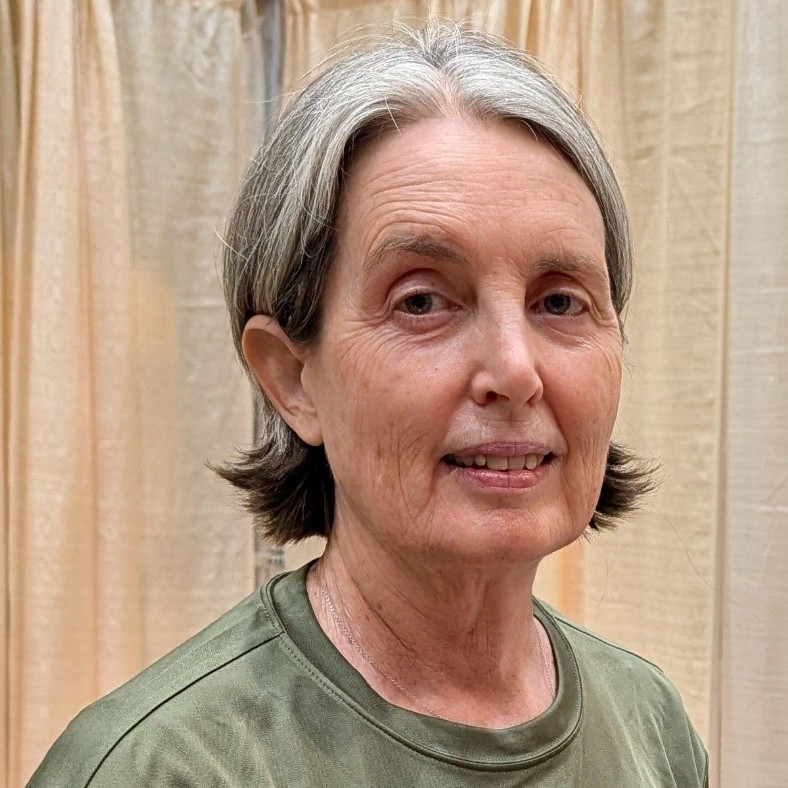
Name: Ruth Moloney
Location: Corridgeree Belize Ltd, Silk Grass, Belize
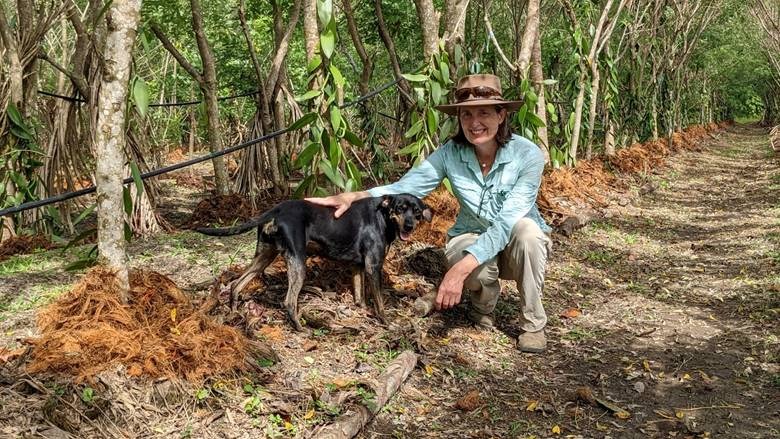
Type of Farming: Growing cocoa and vanilla in an agroforestal model
Years Farming: Since 2016
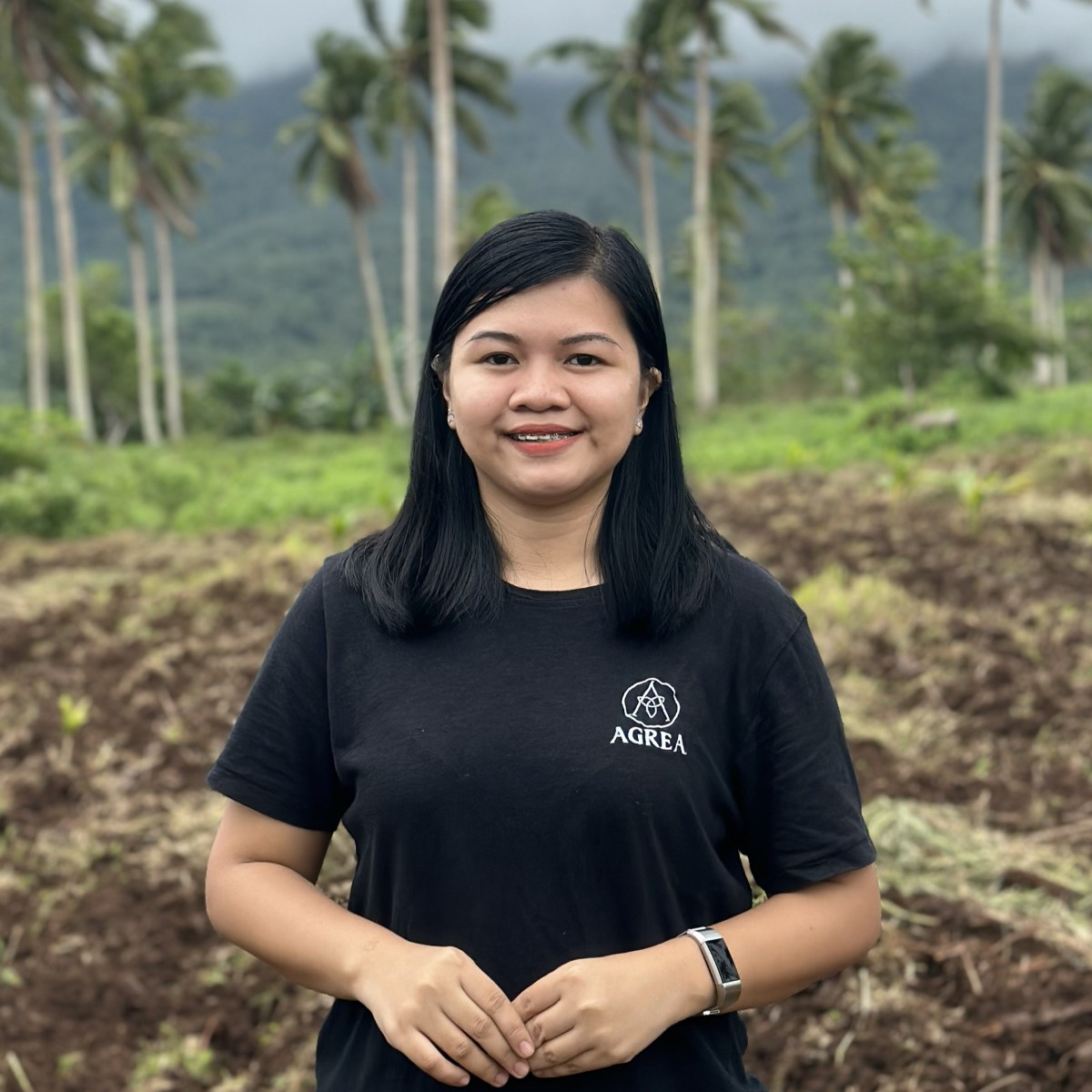
Ruth Moloney is a farmer based in Silk Grass, Belize. She cultivates primarily cacao and vanilla using an agroforestal model on her farm.
With over 4 decades of farming experience, Ruth comes from a family farmers with experience across a wide variety of crops. Since 2016, she has been farming cacao and vanilla on 75 acres of land for the challenge, flavor, and its multiple applications.
In recognition of the International Year of the Woman Farmer, The Foodscapes Collective is highlighting women farmers whose work sustains families, communities, and food systems. This series shares the voices and experiences of women farmers through short conversations about their journeys, and the meaning of growing food.
In this farmer profile, Ruth reflects on her experiences as both a woman farmer and a cacao farmer in Belize.
What first inspired you to become a farmer?
My father and grandfather were farmers so I grew up on a farm. That was my normal. I probably didn’t realize it when I was younger, but there’s something incredibly gratifying about seeing something grow. And ever since then, I’ve wanted to build something, although there were a few significant detours into commodity trading.
Who taught you how to farm? Where did you learn?
Like everyone else, learning by doing. Our family farm was tomatoes and mangoes, now I’m growing cocoa and vanilla. Each crop has its own system and rhythm and it takes a long while to figure them out. I did a soils degree at the University of Queensland, but didn’t really use it much until I started farming for myself.
What does a typical day on the farm look like?
I’m up early since it’s so hot and do some paperwork and exercise before I go to the farm. When I get there, it’s meeting with our farm manager, then taking a walk around just to watch things. I cannot emphasize enough how important it is to give yourself time just to walk around, without leaping into action mode and interfering with the day to day – we have a staff of 20. Then its back to the office – ordering parts, team meetings, writing marketing materials, chocolate tastings and greeting customers for our farm tours. By about 4 most of our team have left and I have about an hour of quiet time before I go home to figure out the plan for the next day and longer term.
What challenges do you face as a woman farmer?
I’ve been in agriculture for more than 4 decades, so I’ve seen and experienced everything. Now I try to focus on training the women on our farm for the challenges ahead. But two things stand out: It’s much, much harder to raise money as a women. Let me say that again: It’s much, much harder to raise money as a women. The second thing is a bit weird. If you’re going to be a women farmer, it’s much easier if you are tall. I’ve walked into rooms and gotten immediate respect because I was taller than half the men in the room. It’s completely ridiculous but it showed me how deeply embedded prejudices are.
What does growing food mean to you? Is there a crop/product that feels especially meaningful?
I started out in sugar which turned into just a big white thing you try not to move or transform too much. Not very exciting. Cocoa opened up a fascinating world, since it has tremendous flavor and multiple applications and lots of problems to solve. I thought it was difficult until I started working in vanilla! But my desert island plant is definitely coconut. It’s such an adaptable, multipurpose plant. We use all of it at the farm – the water, the meat, the shell, the trunk and the leaves.
What advice would you give to a young woman who wanted to farm?
Get on farm experience early. There’s no substitute for that. But always be aspiring to the management suite, and start on that early. We women wait to be asked, guys don’t.
Photos courtesy of Ruth Moloney
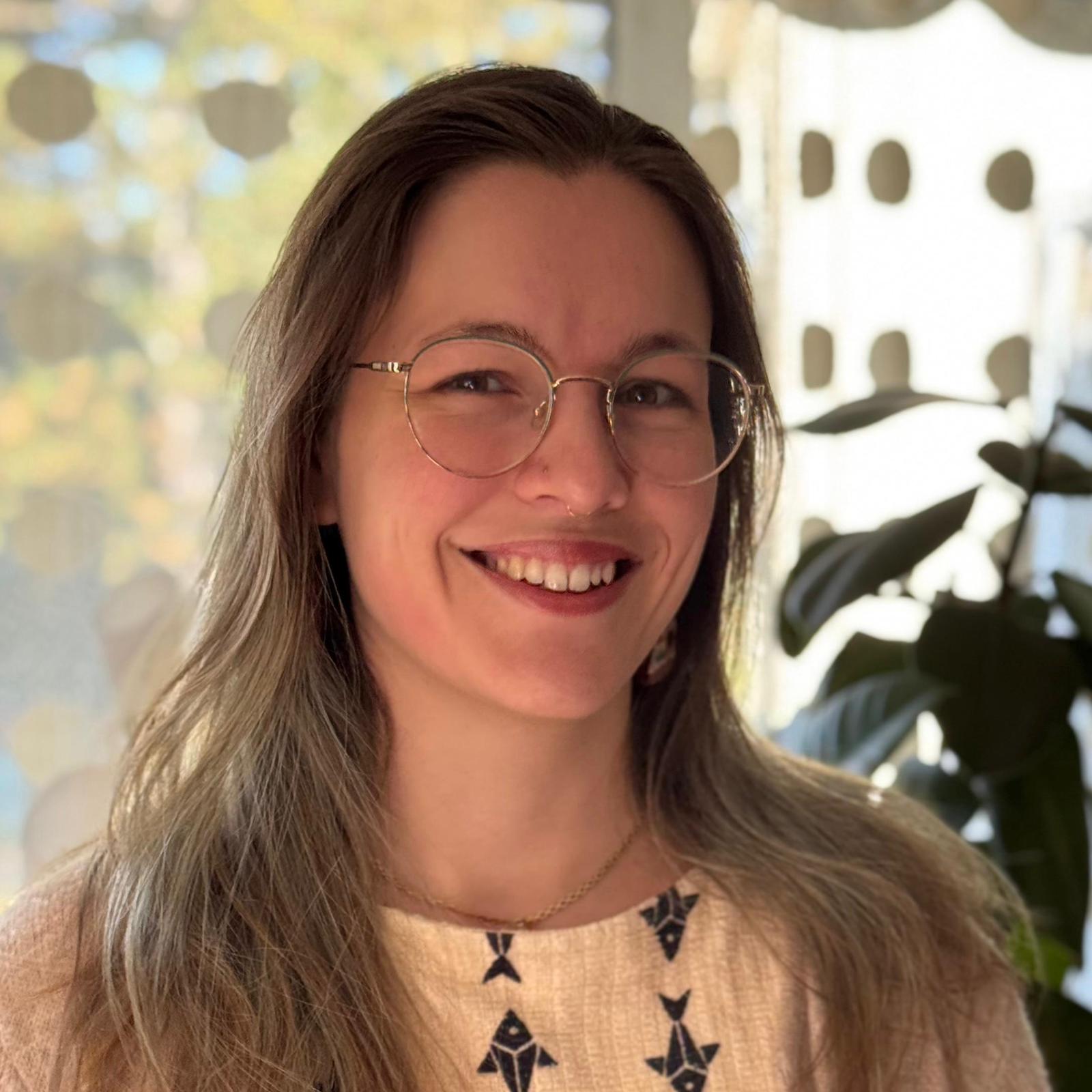
Morgane Batkai
Morgane is a part-time writer at The Foodscapes Collective and full-time PhD student in Environmental Sciences at the Open University of the Netherlands. She holds a BA in Cultural Studies and an MA in Food Politics. While her research focuses specifically on transformations towards sustainable agriculture, she is equally passionate about all things food-related, especially exploring the world through diverse cuisines.
Want more content like this? Subscribe to The Foodscapes Collective to be the first to know about articles like this and more.



 The Foodscapes Collective
Leave a comment