How do learning processes unfold for transformative change in small-scale agricultural contexts?
This is the key topic I explored in my doctoral thesis “Transformative Social Learning: A Mixed Methods Approach”. My research shows that factors such as diversity, reciprocity, trust, and experimentation are key to fostering learning in small-scale agricultural contexts.
Small-scale farmers are central to global food systems, producing a significant share of the world’s food and contributing to household food and nutrition security. Yet they are also among the most vulnerable to the impacts of climate change. At the same time, agriculture is a major contributor to climate change, placing farmers at the center of the problem and solution.
Despite increasing recognition of the need for transformative change in agriculture, existing approaches to knowledge dissemination have struggled to effectively support farmers in adapting to complex challenges arising from the polycrisis – the combination of multiple crises (economic, social, and environmental) occurring at the same time. My research aims to explore how learning processes among small-scale farmers can support transformative changes in agricultural systems.
I used a mixed-methods approach combining a large-scale dataset analysis, a global systematic literature review, and a qualitative case study at the small-scale. This approach provides insights into both broader patterns and context-specific learning dynamics, ultimately identifying key factors that shape learning for transformation in agricultural contexts. These include the involvement of diverse stakeholders, participation characteristics, activities and resources, relationships, and knowledge types.
The study proposes a framework that identifies three overlapping types of learning: instrumental (practical skills and knowledge), communicative (shared understanding), and emotional (values and perspective). It also highlights how these learning processes can lead to action at individual, interpersonal, and collective levels. Rather than offering a one-size-fits-all solution, the framework serves as a guide for researchers and practitioners to design more inclusive and context-specific learning processes that can support long-term transformation.
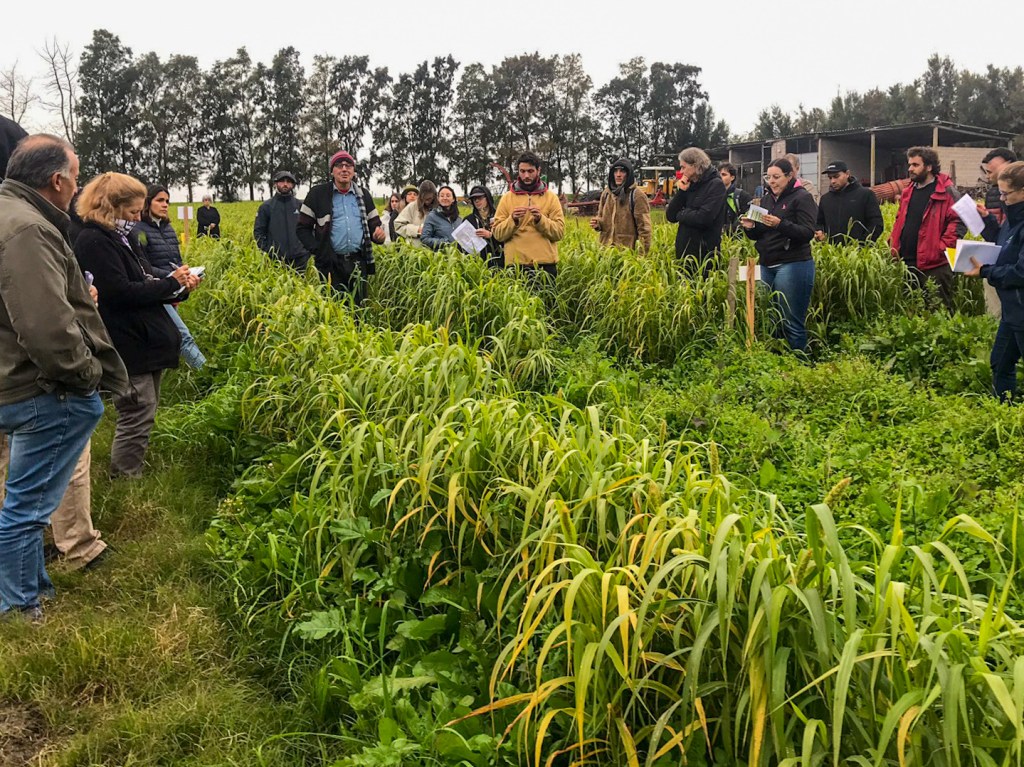
A case study in Uruguay illustrates how these learning processes work in practice. In a participatory project aimed at introducing reduced tillage practices, farmers, researchers, and agricultural technicians worked together in collaborative workshops. Participants not only learned new farming techniques (instrumental learning) but also developed shared understandings and exchanged experiences (communicative learning), while reflecting on their values and motivations (emotional learning).
This led to tangible changes, such as farmers experimenting with new practices, sharing new knowledge with external networks, and researchers adapting knowledge-sharing practices. However, the project also revealed structural barriers, such as limited resources that slowed down progress. This example highlights both the potential and limits of transformative social learning, in that it has the potential to foster transformative learning, but it does require sustained support.
Achieving transformative change that addresses the multiple impacts of the polycrisis in our rapidly decreasing window of time is highly improbable, and, paradoxically, systems-wide changes need time.
Ultimately with this thesis, I aimed to explore learning processes at diverse scales to better understand how to foster learning so that it can lead to transformative changes. From uncovering broader learning patterns, to digging a bit deeper and understanding communication between diverse individuals – I hope to share the importance of approaching learning for transformation as one that values co-creating knowledge together, developing shared solutions, and respecting others’ experiences.
If you want to read more about the journey that led me to doing a PhD, read the full story here!
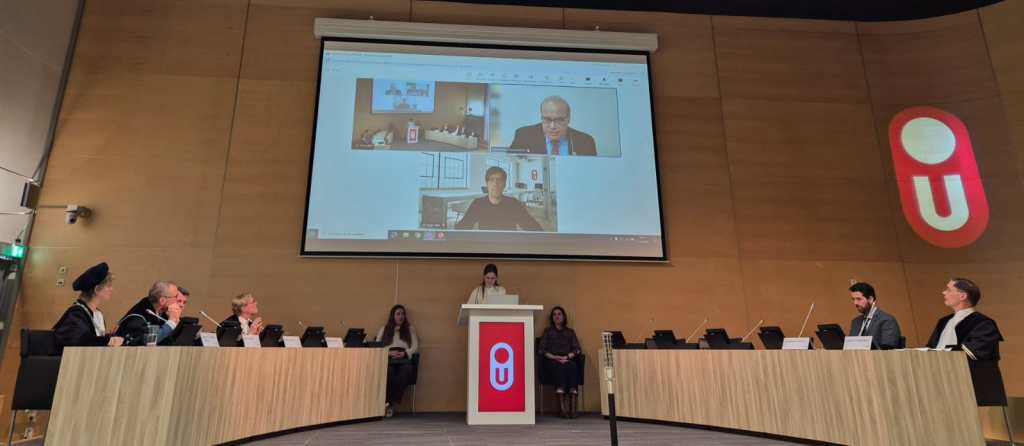
Photos courtesy of Morgane Batkai.
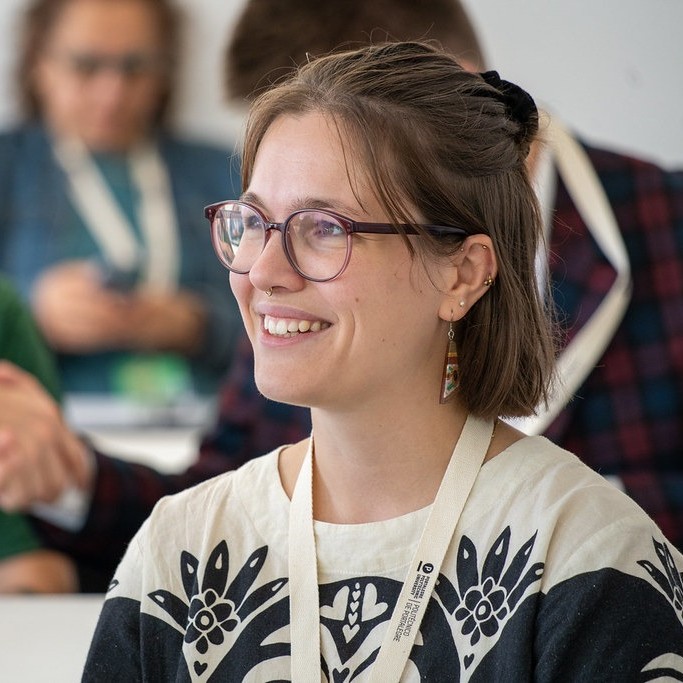
Morgane Bataki
Morgane is co-founder of The Foodscapes Collective and a recent PhD graduate in Environmental Sciences at the Open University of the Netherlands. She holds a BA in Cultural Studies and an MA in Food Politics. While her research focuses specifically on transformations towards sustainable agriculture, she is equally passionate about all things food-related, especially exploring the world through diverse cuisines.
Want more content like this? Subscribe to The Foodscapes Collective to be the first to know about articles like this and more.



Leave a Reply