Haz clic aquí para leer este artículo en español.
Name: Lyly Daiyu Pareja Madera
Location: Cusco, Perú
Type of Farming: Native cacao and farm products
Years Farming: 20 years
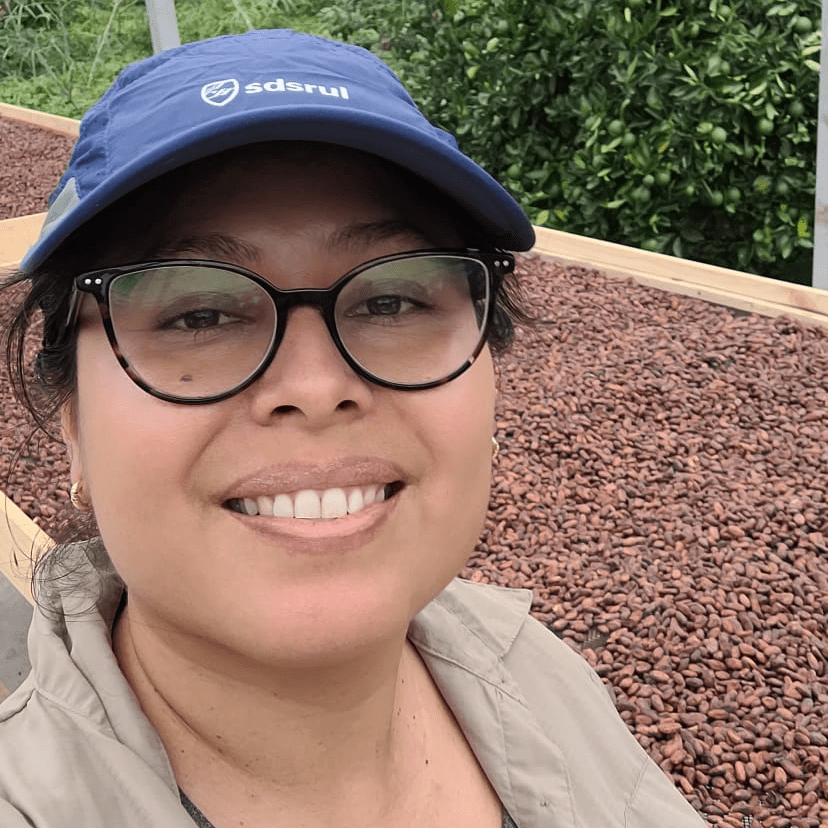
Lyly Daiyu Pareja Madera is a farmer based in Cusco, Peru. She cultivates primarily cacao and agriculture forms an integral part of her identity. She highlights the deep connection between women and land, the cultural and familial importance of growing cacao, and the importance of preserving knowledge that has been passed down from generation to generation.
A defining characteristic of Lyly is her role as a guardian of native seeds and a bearer of ancestral knowledge from the Nahua, Quechua, and Machiguenga traditions.
In recognition of the International Year of the Woman Farmer, The Foodscapes Collective is highlighting women farmers whose work sustains families, communities, and food systems. This series shares the voices and experiences of women farmers through short conversations about their journeys, and the meaning of growing food.
In this profile, Lyly reflects on her relationship to farming.
What first inspired you to become a farmer?
Agriculture is part of my identity and runs in my blood. I come from a long line of indigenous Nahua women from Quillabamba, the land where cacao originated. My great-grandmother, who was a midwife, instilled in me from a young age the deep connection between women and the land. I did not choose farming, it chose me.
Who taught you how to farm? Where did you learn?
I learned on the same farm where my mother and my grandmother had learned before me. This knowledge was passed down from generation to generation, from hand to hand, observing and practicing. The wisdom of the Nahuas of my mothers’ family taught me to listen to the earth, respect its cycles, and understand the cacao as a living being.
What does a typical day on the farm look like?
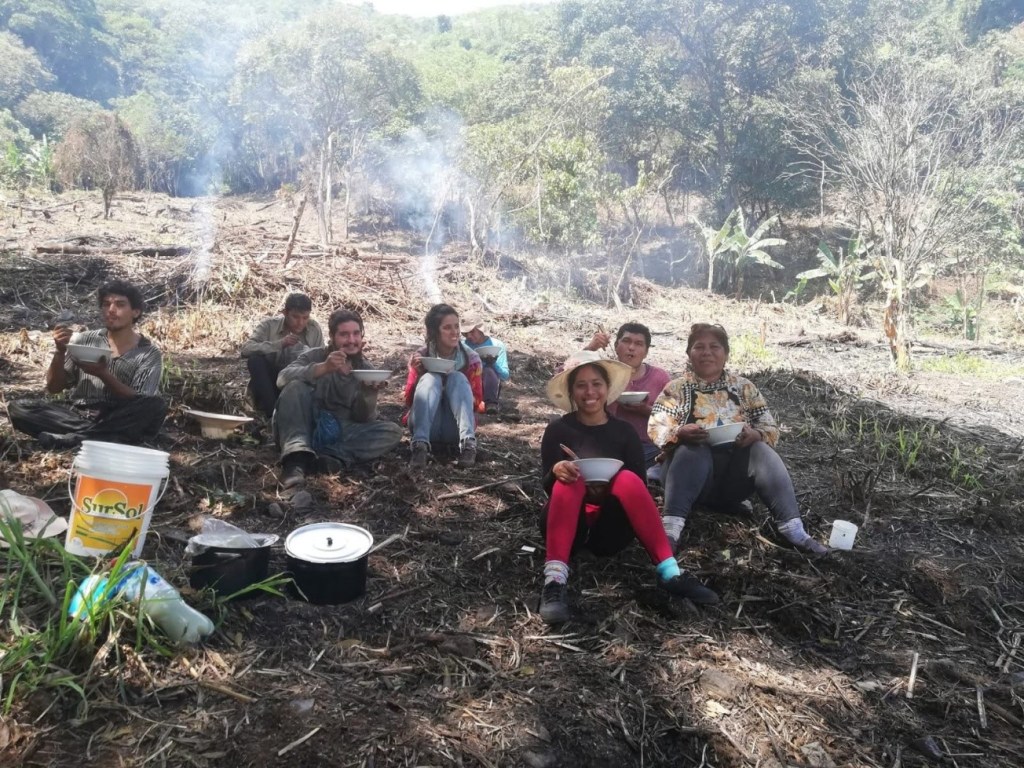
The day starts early looking over the farm, checking the cacao plants, observing humidity, pests or fruits ready to harvest. I also look over other crops for household consumption. The afternoon is dedicated to fermenting or drying cacao, depending on the season.
What challenges do you face as a woman farmer?
Women’s work on the farm often goes unseen or unrecognized, even though we are the ones who spend more hours there. We face difficulties accessing loans and programs that are intended for male heads of households. Intermediaries and middlemen often pay less when the seller is a woman. Although we are considered guardians of ancestral knowledge, we are rarely recognized as technical experts.
What does growing food mean to you? Is there a crop/product that feels especially meaningful?
Agriculture is the thread that connects me to my ancestors, and I hope to pass it on to future generations. Cacao is the crop closest to my heart and for my family it is not just a comercial product, it is our identity and a living memory. My Nahua great-grandmother regarded cacao as a sacred food, and I also honor it the same.
What advice would you give to a young woman who wanted to farm?
I would say to not be embarrassed by the farm nor of her origins. Learn from the elders before the knowledge is lost. Do not be afraid to organize and exercise her rights, because agriculture needs young women who honor ancestral knowledge while also looking to the future.
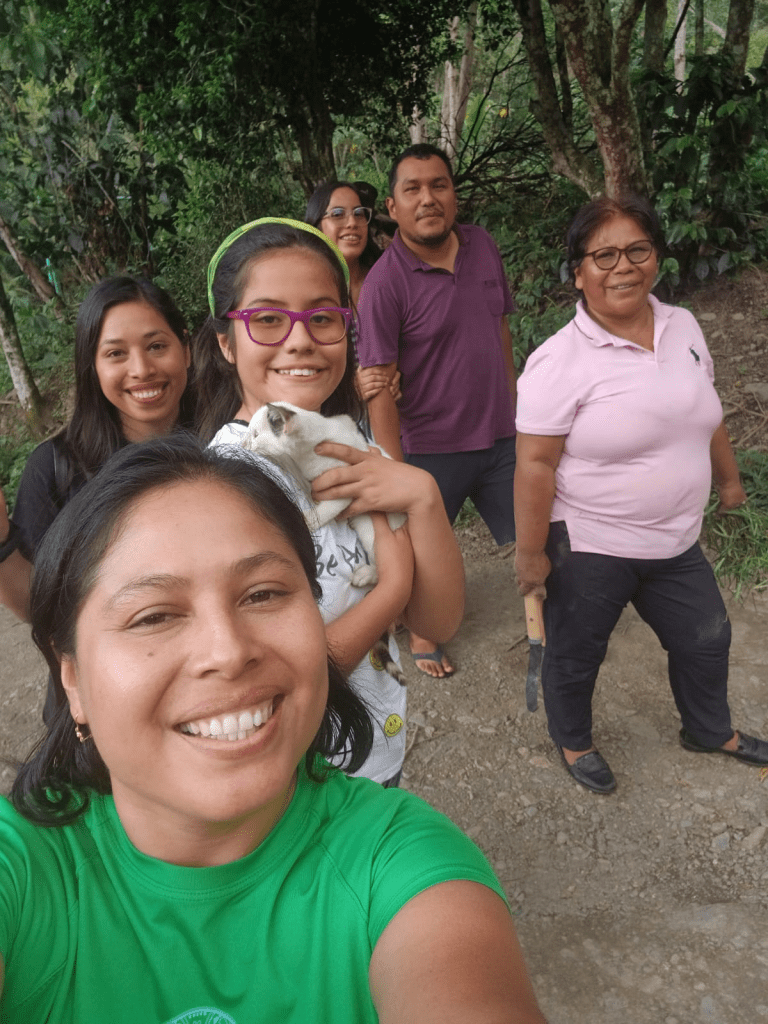
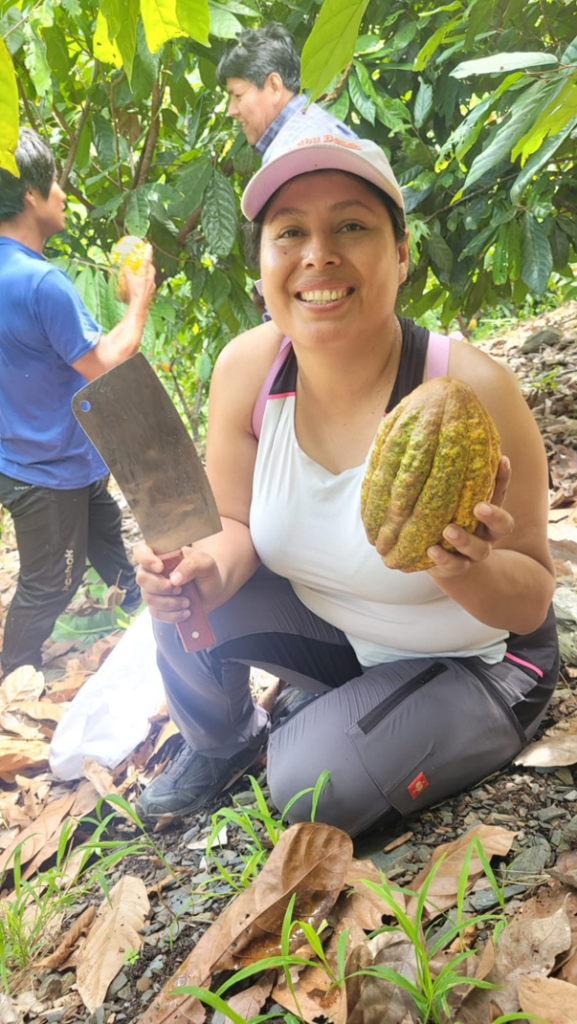
Photos courtesy of Lyly Daiyu Pareja Madera
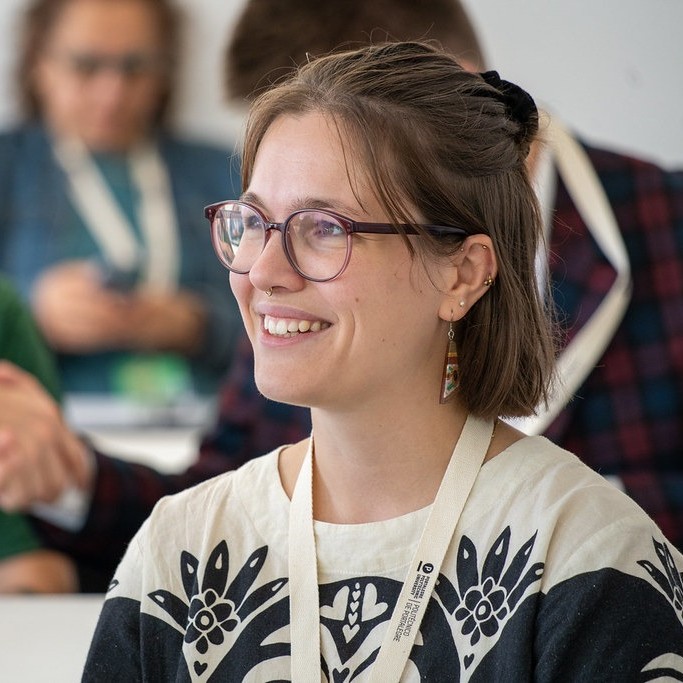
Mograne Batkai
Morgane is co-founder of The Foodscapes Collective and full-time PhD student in Environmental Sciences at the Open University of the Netherlands. She holds a BA in Cultural Studies and an MA in Food Politics. While her research focuses specifically on transformations towards sustainable agriculture, she is equally passionate about all things food-related, especially exploring the world through diverse cuisines.
Want more content like this? Subscribe to The Foodscapes Collective to be the first to know about articles like this and more.



 The Foodscapes Collective
Leave a comment