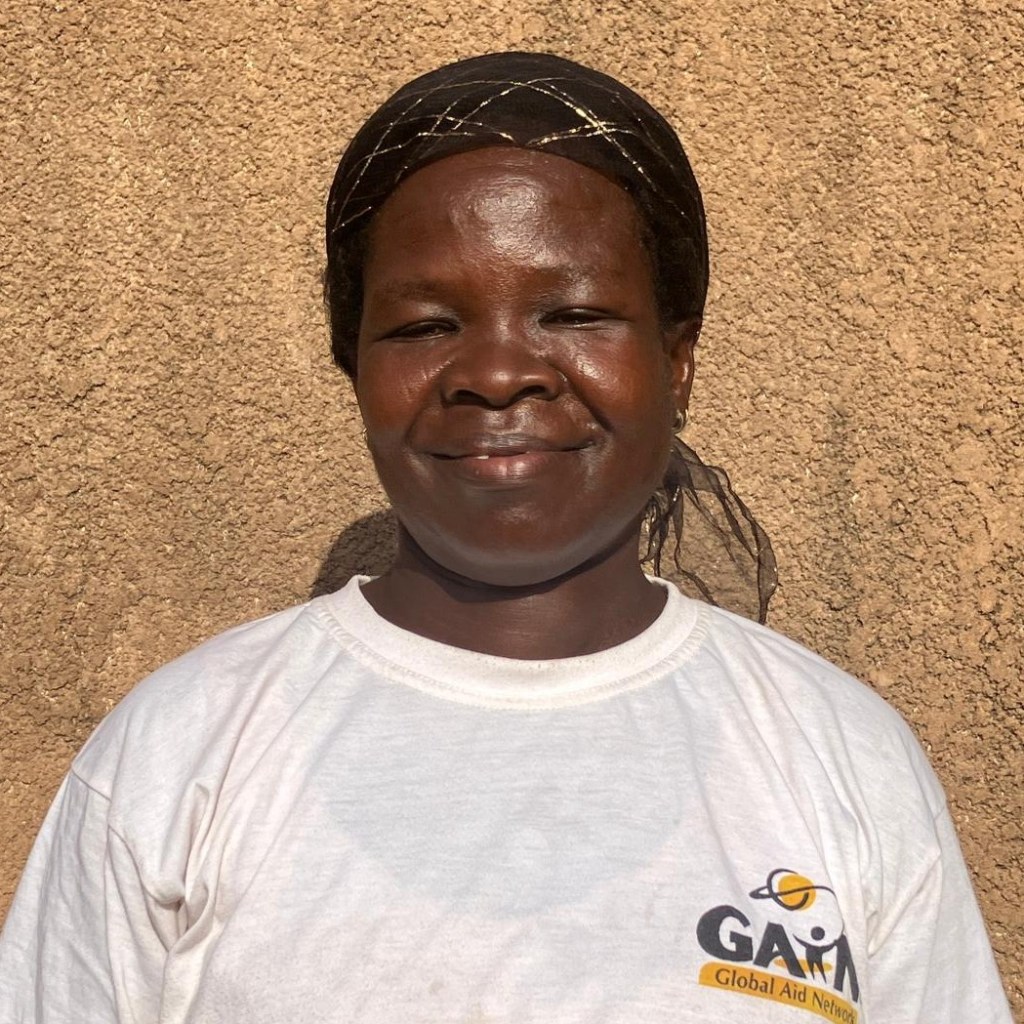
Name: Tchilalo “Jeanette” Tchariè
Location: Agbalossi, Kara region of Togo
Type of Farming: Corn, soy beans, okra, and ginger
Years Farming: 16 years
Tchilalo “Jeanette” Tchariè is a farmer based in Agbalossi in the Kara region of Togo. She cultivates a variety of crops, including corn, soybeans, okra, and ginger, drawing on 16 years of farming experience.
In addition to cultivating three fields, she serves as the president of a women’s ginger farming cooperative in her village, where she plays a key role in supporting and organizing fellow farmers. Through her leadership and hands-on agricultural work, she contributes to strengthening local livelihoods and advancing women’s participation in farming.
In recognition of the International Year of the Woman Farmer, The Foodscapes Collective is highlighting women farmers whose work sustains families, communities, and food systems. This series shares the voices and experiences of women farmers through short conversations about their journeys, and the meaning of growing food.
In this farmer profile, Madame Jeanette reflects on her experiences as both a farmer and cooperative leader in northern Togo.
What first inspired you to become a farmer?
My father was a farmer, and when he died I was left alone with just my mother. My brothers weren’t with us, they were living in the south, so I had to pick up the hoe to work at the farm alongside my mother. We worked so we could eat. It was this way because of the poverty, there wasn’t anything else we could do, you had to farm if you wanted to eat. So yes, I’ve been farming for a long time.
Who taught you how to farm? Where did you learn?
Everyone here (in the village) starts helping at the farm as children. I started to help by carrying water, planting seeds, and going to the market for my family. You learn by watching your parents and siblings, and as you grow up you learn how to do more things.
What does a typical day on the farm look like?
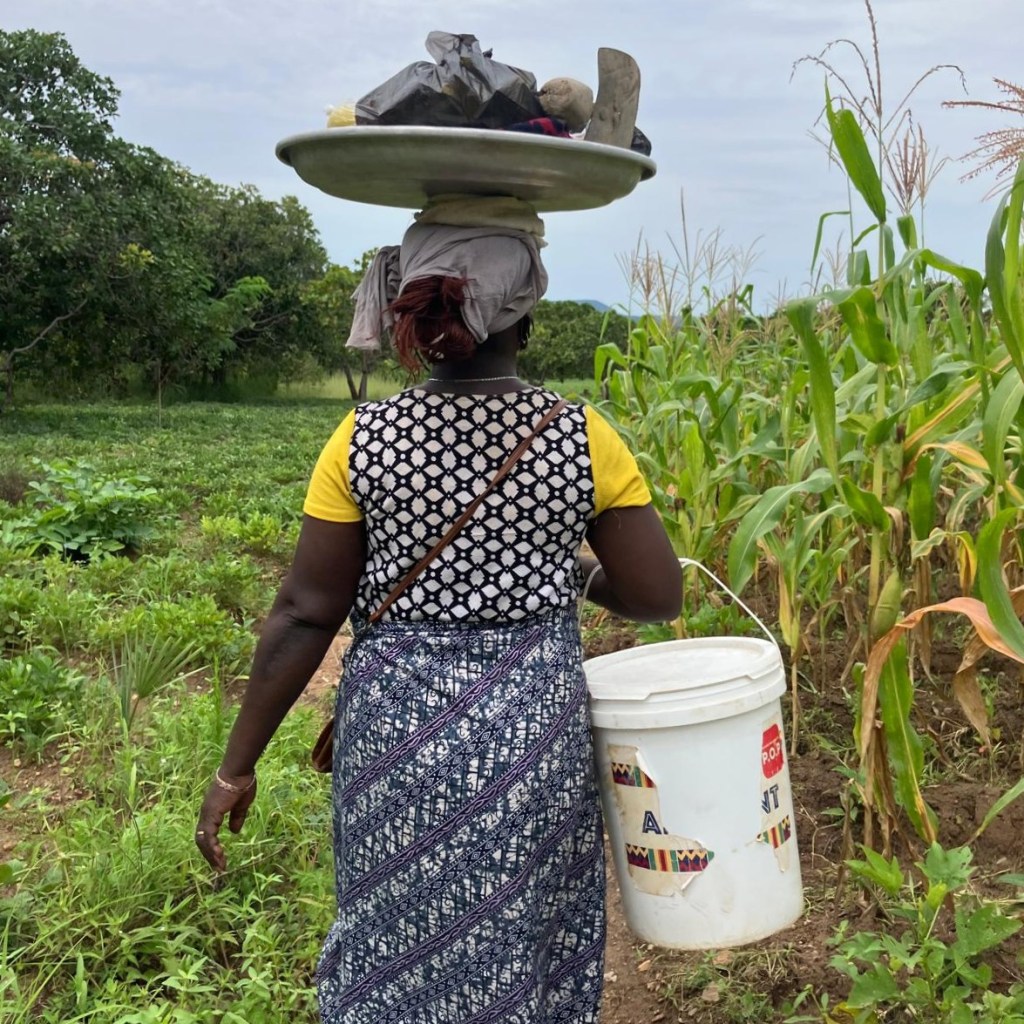
The work is different each time I go to the farm. Right now, at the beginning of the growing season I work to clear the brush from the land and prepare the soil for planting. But when the rains come back I will plant seeds, give each plant fertilizer, cut the weeds with my hoe, and then harvest. After the season is over I put compost on my fields to help the soil prepare for next year. My work at the farm depends on the season.
What challenges do you face as a woman farmer?
Oh yes it is difficult to be a farmer. Because if you make money, you have to give it to your kids to help with food and school, or you use it to expand your farm. And there’s not a lot of money, left over after that. The work is hard, and at the end of the day I am always tired. I think it can be harder for women to farm because we aren’t as tall or strong as the men. We have to take care of the children too, it’s very tiring.
What does growing food mean to you? Is there a crop/product that feels especially meaningful?
Farming is important because if you don’t have any food what are you going to eat!? When there isn’t money to go to the market and buy food, you must grow it yourself. If you want to eat, you have to work. I like to grow ginger and soy beans because they are very profitable. I can sell the harvest and use the money to buy things I can’t grow, like ingredients to make sauces or things for my home.
What advice would you give to a young woman who wanted to farm?
Advice that I can give is this; you cannot be idle, you cannot stay at rest. You have to cultivate something. A regret that I have is that I waited so long to start farming by myself. If you start farming early, you will get into the habit of it, and it will be easier for you to continue. Working outside is good for you, it’s like doing a sport. The women who work in the fields are stronger than the women who don’t. If you want to eat you have to work. My advice is to start working early if farming is something you are interested in.
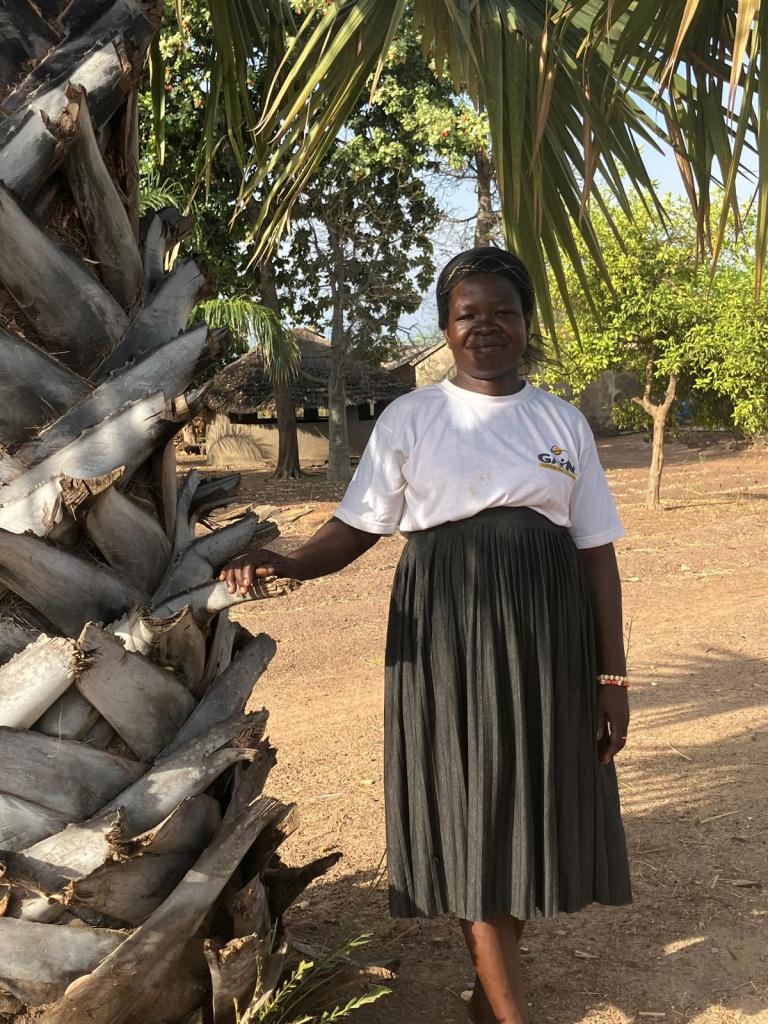
Photos courtesy of Josephine Calhoon

Josephine Calhoon
Josephine Calhoon is a Sustainable Agriculture Educator with the Peace Corps. She’s based in the Kara region of Togo, where she works with local farmers to strengthen community agricultural production through hands-on teaching. Her work emphasizes improving nutritional education for household providers and teaching the next generation about sustainable farming practices. She holds a bachelor’s degree in Forestry, Wildlife, and Fisheries Sciences from the University of Tennessee.
Want more content like this? Subscribe to The Foodscapes Collective to be the first to know about articles like this and more.



 The Foodscapes Collective
Leave a comment