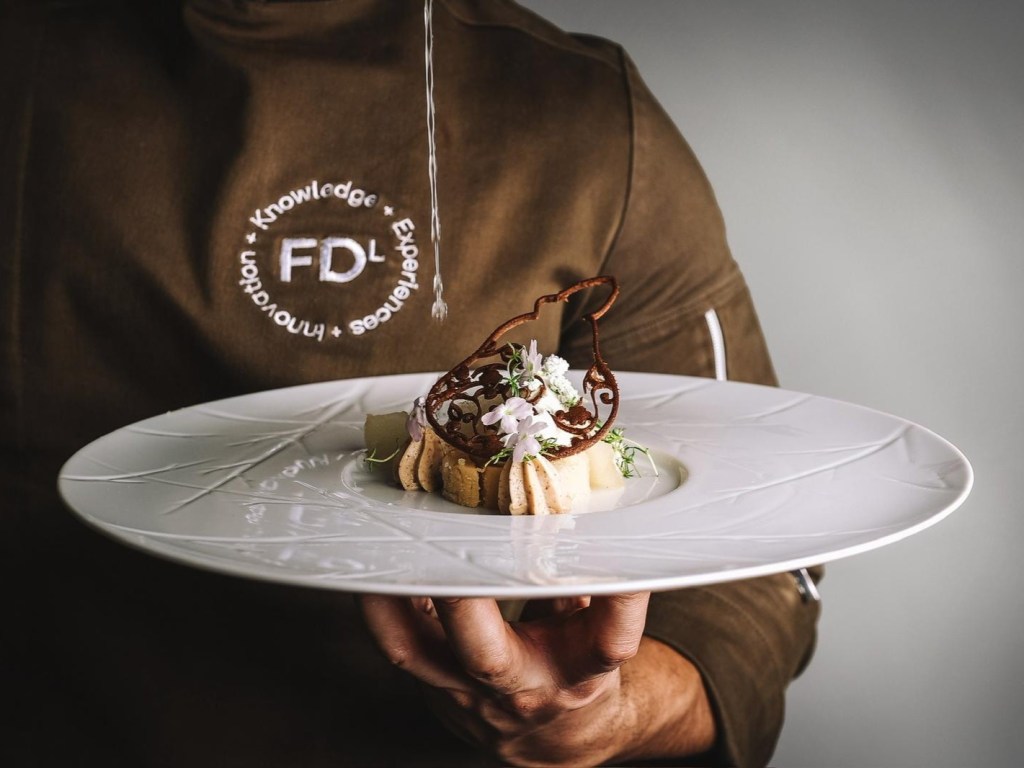
The Food Design Lab Lisbon is reimagining what food can be.
Located in Lisbon’s sprawling Monsanto Park—often called the city’s “green lung”—this creative studio moves gastronomy beyond the kitchen and the plate. Food becomes a medium for storytelling, experimentation, and innovation, but also honors local heritage and sustainability.
From its beginnings, the Food Design Lab Lisbon aimed to rethink how people interact with food. Founded by Innovation Chef André Gerardo, General Director Lucinda Pinto, and Food Designer Ricardo Bonacho, the lab is driven by a shared passion for crafting unforgettable dining experiences. The team develops products and experiences that encourage audiences to reflect on how food connects to broader systems.
“The Food Design Lab Lisbon was created to be a platform where gastronomy, design, innovation, and sustainability could engage in meaningful dialogue and have a real impact on our projects,” Bonacho tells The Foodscapes Collective. “The motivation has always been to go beyond the kitchen as just a practical or technical space, viewing food as a field for experimentation, thinking, and cultural change.”
At the core of the lab’s identity is the concept, “one brand, two territories.” One territory explores the emotional and experiential dimensions of gastronomy. The other focuses on food as a strategic tool for innovation and development.
“The idea of ‘one brand, two territories’ arose from the nature of our work,” Bonacho says. “On one side, we explore food as entertainment, emotion, and experience. On the other side, we use food as a strategic tool for innovation, research, and development—food as purpose.”
Food as Entertainment
On the experiential side, the lab designs immersive culinary events that transform dining into a multisensory experience. These projects combine elements such as sound, design, storytelling, and performance to create memorable encounters with food.
“An immersive experience for us is never just about the plate,” Bonacho explains. “It’s a full sensory story where food, space, time, sound, aesthetics, service, and emotion come together to create meaning.”
Through this approach, eating becomes more than consumption—it becomes a form of communication. Bonacho describes gastronomy as a language capable of building emotional connections and inviting reflection.
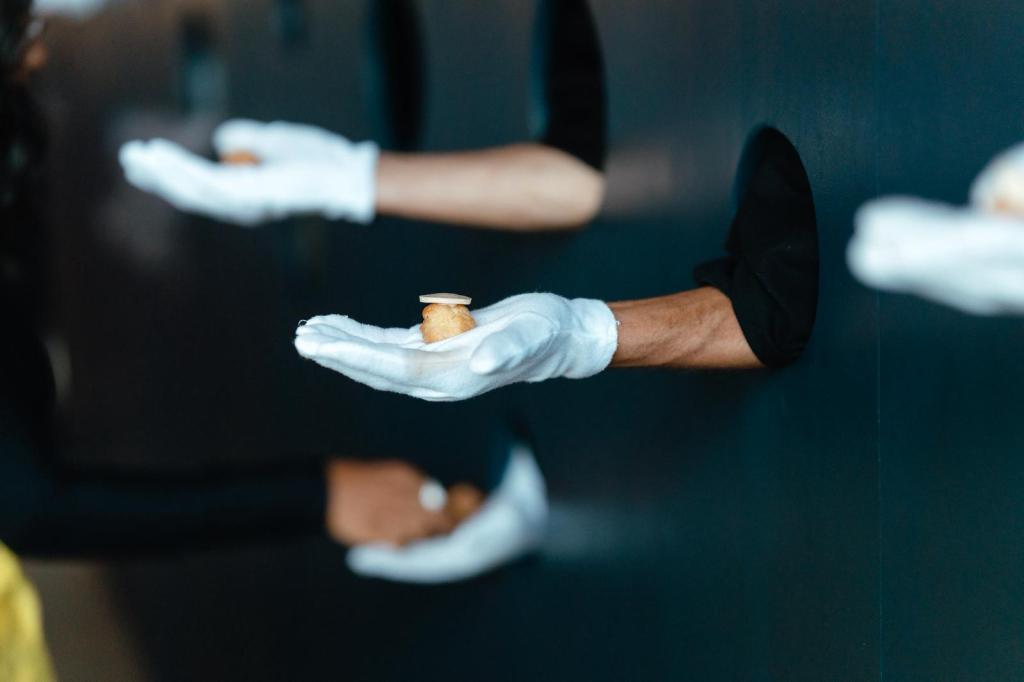
The team has explored this idea through a variety of creative installations and events. For example, during a luxury summit held in Lisbon in 2025, the lab designed an interactive wall that randomly presented small gastronomic creations to guests.
“It was an experience that combined surprise, ritual, sensorial design, and storytelling, demonstrating how gastronomy can become a device of emotion and performance,” Bonacho says.
Another project, The Art of Tasting Portugal – Vindima, explored the relationship between gastronomy, wine, and local culture. The immersive experience functioned almost like an edible museum, connecting visitors to Portuguese traditions through taste, narrative, and design.
Food as a Purpose
But while spectacle and creativity are central to the lab’s work, its second territory—food as purpose—anchors the organization in sustainability and systems thinking.
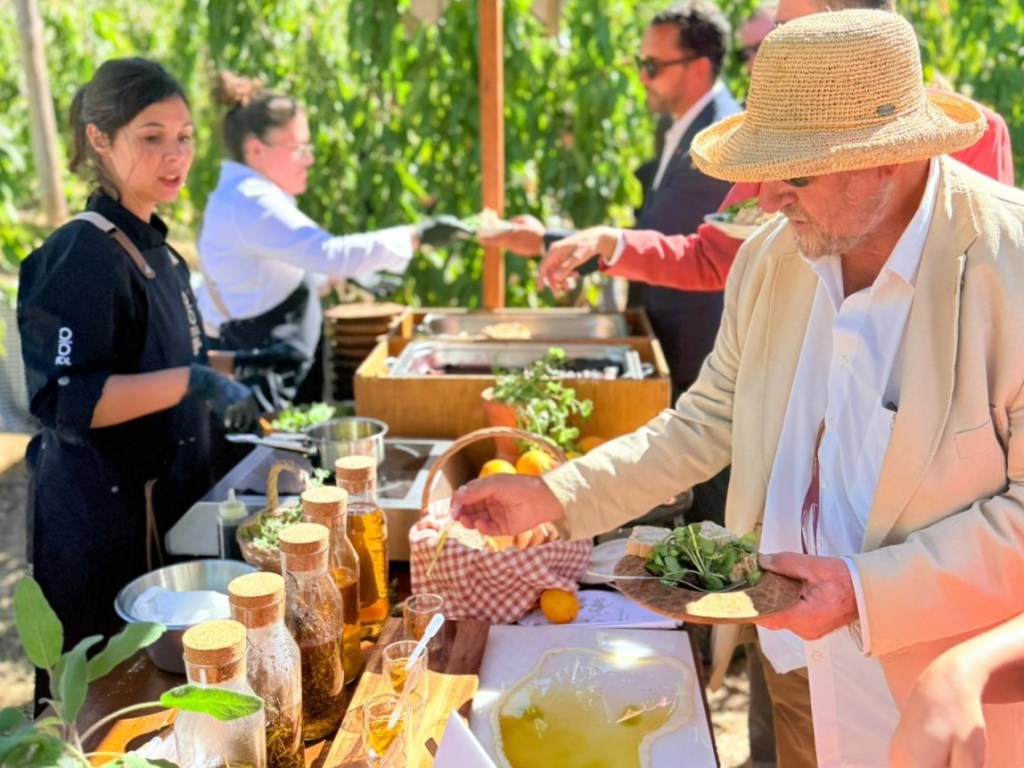
“Sustainability is not just a trend in our work; it is a core criterion,” Bonacho says. “It is reflected in how we select local and seasonal ingredients, value short supply chains, reduce food waste, and design solutions that are more conscious.”
This perspective influences the lab’s consulting work and product development projects, where ecological considerations shape decisions alongside aesthetics and market viability.
“We believe that innovation today involves designing for a better life for people and the planet,” Bonacho adds.
The lab also draws inspiration from Portugal’s rich culinary heritage. Rather than treating tradition as something static, the team approaches it as a living system that can evolve through creative reinterpretation.
“For us, to innovate doesn’t mean breaking with tradition, but engaging with it in a critical and creative way,” Bonacho explains. “The Portuguese culinary heritage is alive: it exists in the ingredients, gestures, rituals, flavors, memories, and territories.”
This philosophy allows the lab to reinterpret traditional ingredients and techniques while maintaining their cultural identity.
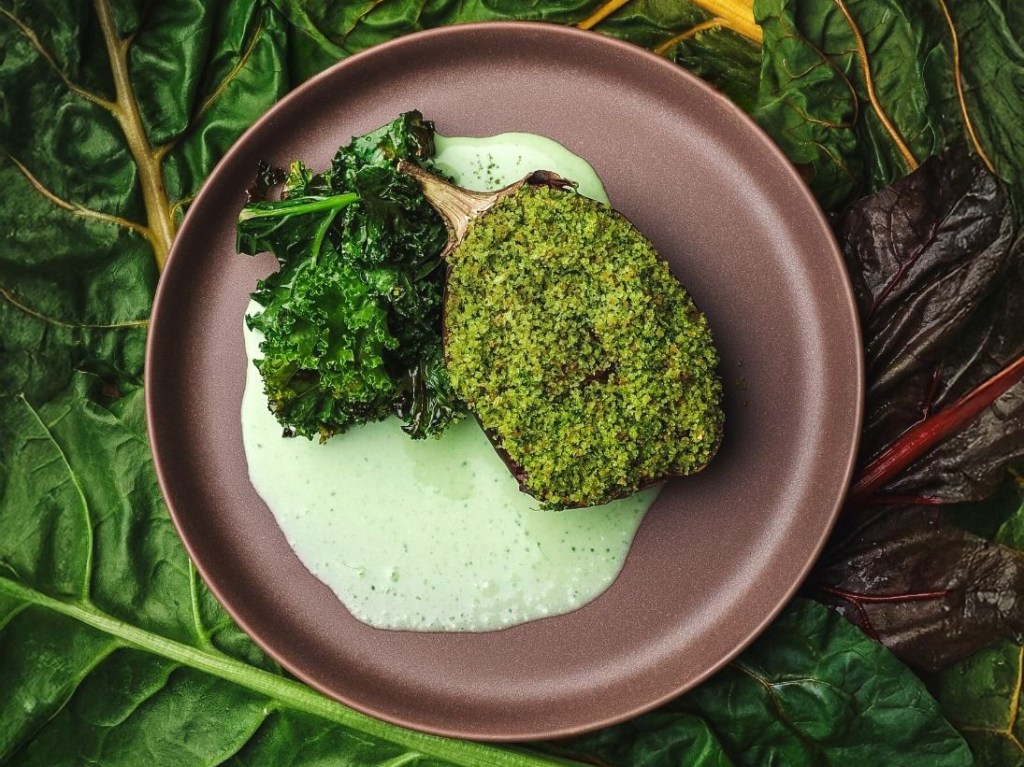
Food and Education
Education is another key pillar of the organization’s work. Through workshops, masterclasses, and consulting programs, the lab shares its approach with chefs, students, brands, and organizations interested in exploring food through the lens of design and sustainability.
“We believe that transforming food systems also involves sharing knowledge,” Bonacho says. “Education and literacy are central to Food Design Lab because we don’t just want to create projects; we aim to empower professionals, students, brands, and organizations to think about food in a more creative, strategic, and responsible way.”
Despite growing interest in the field, Bonacho notes that food design is often misunderstood. Many people assume the discipline is limited to visual presentation or decorative plating.
“One of the most incorrect ideas is thinking that food design is only about plating and superficial aesthetics,” he says. “In reality, food design is a very broad discipline that looks at food in a systemic way: products, services, experiences, behaviors, sustainability, communication, culture, and innovation.”
By bringing together gastronomy, research, design, and storytelling, the lab aims to demonstrate how food can play a role in addressing contemporary challenges—from sustainability to consumer awareness.
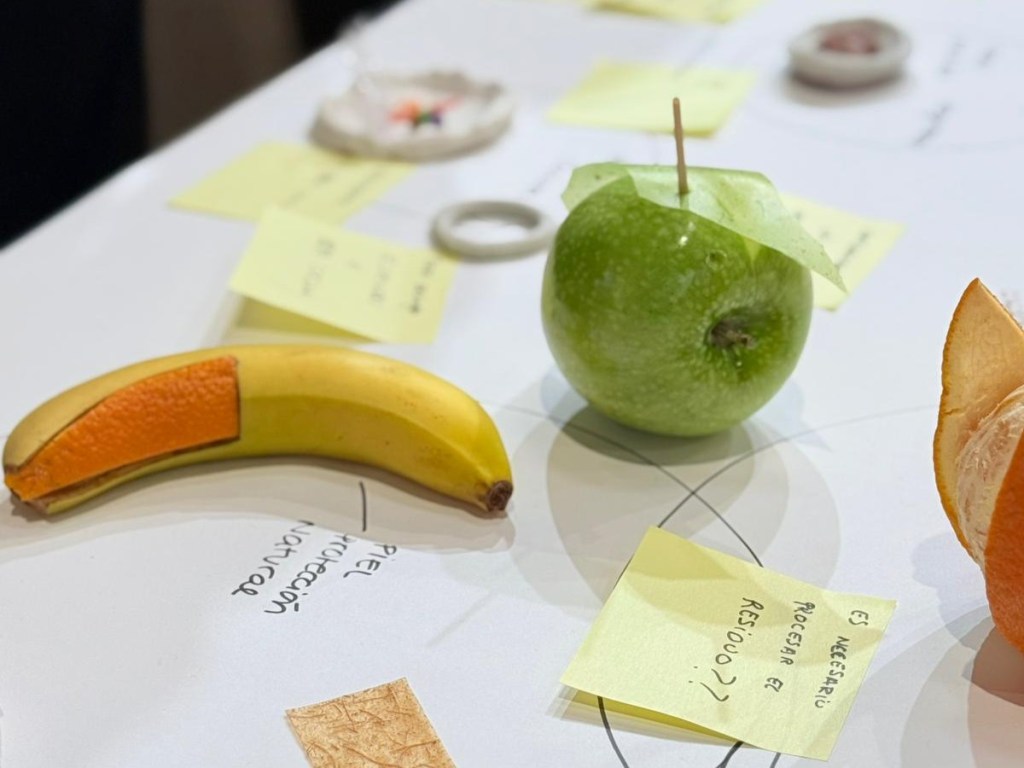
Looking ahead, Bonacho sees the organization continuing to explore the intersection of creativity and responsibility.
“The Food Design Lab wants to continue reaffirming itself as a platform where creativity meets the purpose of food,” he says. “More than creating beautiful experiences or innovative products, we are interested in participating actively in the design of food futures that are more conscious, cultural, and sustainable.”
For Bonacho and the Food Design Lab Lisbon team, food is not just nourishment or entertainment—it is a tool for connection.
“Designing with food is about creating relationships,” he says, “between people, territories, culture, and the future.”
Photos courtesy of Food Design Lab Lisbon

Joel Matheson
Joel Matheson is co-founder of The Foodscapes Collective and is passionate about sustainable agriculture, food security, and climate resilience. He holds an MA in Global Studies and a BA in Environmental Studies. He was a Peace Corps volunteer in Jamaica from 2018-2020.
Want more content like this? Subscribe to The Foodscapes Collective to be the first to know about articles like this and more.




 The Foodscapes Collective
Leave a comment