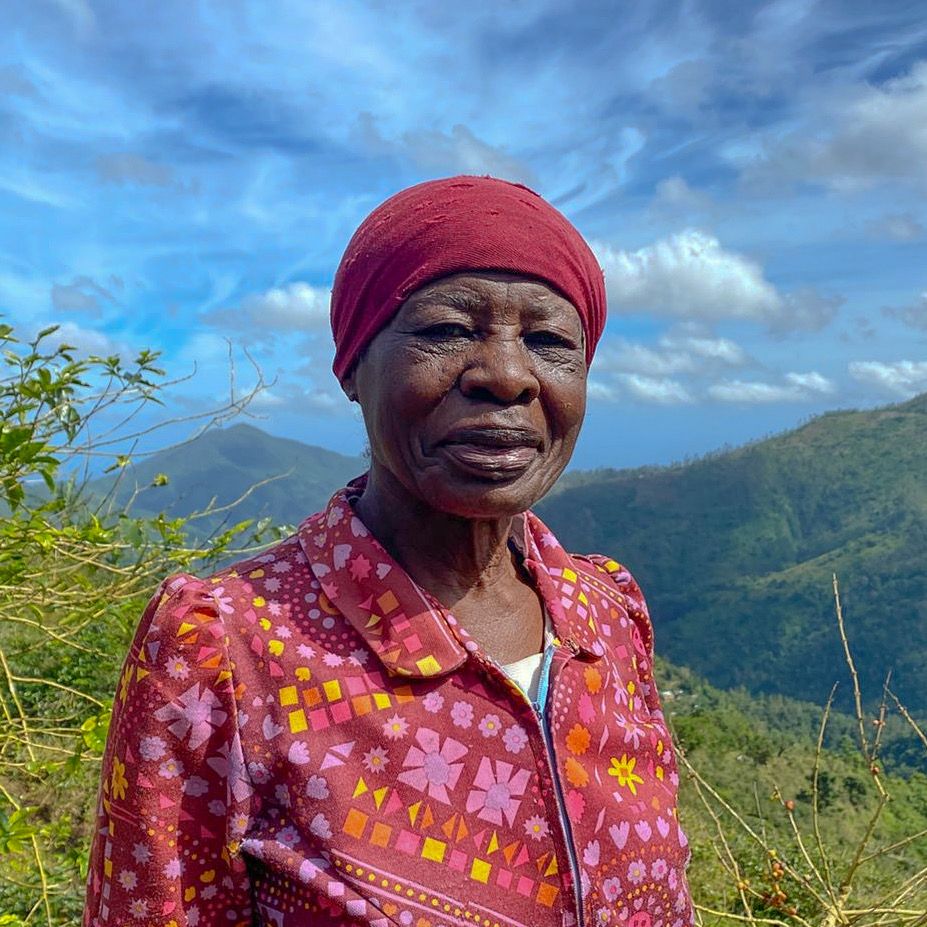
Name: Eugenie McLarty aka: “Ms. Mac”, “Ms. Girly”
Location: Portland, Jamaica
Type of Farming: Coffee, yam, coco, dasheen, irish (potato), plantain, banana,
Years Farming: 74 years
Eugenie McLarty, also known as “Ms. Mac” or “Ms. Girly,” is a farmer based in Portland, Jamaica. She cultivates a diverse range of crops, including coffee, yam, coco, dasheen, Irish potato, plantain, and banana, drawing on 74 years of farming experience.
In addition to managing her own crops, she serves as the Head Agronomist at Old Tavern Coffee Estate, where she specializes in coffee tree care and pruning. Through her decades of hands-on work in the fields and with coffee cultivation, she has become a respected source of agricultural knowledge in her community.
In recognition of the International Year of the Woman Farmer, The Foodscapes Collective is highlighting women farmers whose work sustains families, communities, and food systems. This series shares the voices and experiences of women farmers through short conversations about their journeys, and the meaning of growing food.
In this farmer profile, Ms. Mac reflects on more than seven decades of farming in Portland, Jamaica.
What first inspired you to become a farmer?
Well, mi mada was a likkle cultivata. And so I took it after her. That’s why I started from 15. Mi stop going school a 15. The first thing I planted was coco, dasheen, sweet potato, cassava. My father was a carpenter. I enjoyed farming because whatever I could plant, I could get something to eat and offer somebody. I was quite happy.
Who taught you how to farm? Where did you learn?
My mom and dad taught me how to farm. Just when I had to go into her farm to help her, that’s how I got to learn. I was helping her from when I was a little girl. I started on my own in my mothers farm at 15. My father was a carpenter so he was often gone, my mother was the main cultivator. I grew up just down the road.
My mother farmed coffee but she was mostly a higgler. She had a big mule, she would go out and buy peoples things and ride her mule down the mountain and sell it. I began learning on my mothers [farm] but when I married and moved up the road, I had more time to put in for myself. I was more on my own when I reached there.
My husband farmed at our yard very likkle, he worked for the coffee board. He went to work in the morning and knocked off in the evening. I stayed by the house with the children and farmed our yard. Farming by the house gave me more freedom with the kids and I had my own likkle money.
What does a typical day on the farm look like?
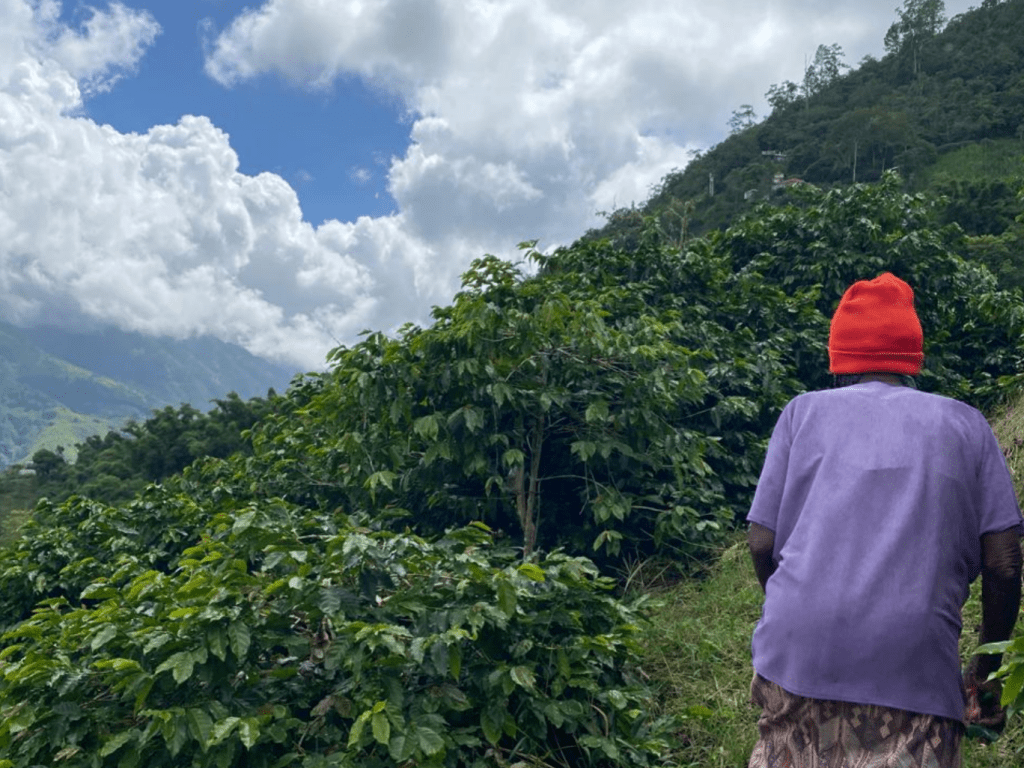
When I wake, I walk to The Estate early. I reach 6am and do some work on my sons’ greenhouses next door. Then I come into the field. First when I began working I picked coffee full time here, then knocked off and went home and picked my coffee at my yard.
But this finger here was cut off (points to finger) on the grass bone of a bundle of guinea grass some years ago. I thought [the guinea grass] was chopped and I dug the roots to draw it up. When I found that something was holding it, I gave it one quick draw an mum! The bone rip off mi finga! Lawd a mercy. Only this likkle skin here a hold it.
A nice genklemen see mi pon the road waak go catch the bus. Him have one kit and him did dress mi finga. Him wrap it with a dressing and re dress every maanin until it grow back. All now mi can’t bend it or move much. Take me some years. When dem find out mi can’t pick the coffee to pay myself, dem come help me.
When its me alone, mi can’t pick even one box, but everybody else pick 3 box. Mi did say dis can’t work again. [The Estate] say tek her off of it. So dem teach me the pruning. So when I come on The Estate, I just prune. I do my work at The Estate and when I knock off, I walk home. When I find a likkle time at my yard I go into my farm to work.
What challenges do you face as a woman farmer?
Nuh special. I don’t go to market, most things I eat and give. What I don’t give a teef dem teef it (thieves steal from her farm). Dem just wahn know seh dem dont see me. The orange on the tree, the grapefruit on the tree, the nutmeg on the tree, dem just wahn know dem dont see me. When dem mek up dem mind fi teef, dem teef anybody. But true nuff a mi tings get teef.
True I worked two jobs while farming. Work domestic a somebody yaad, cooking, baking, washing, cleaning, some days of the week. Worked on The Estate other days of the week. And tek mi pickney come work.
What does growing food mean to you? Is there a crop/product that feels especially meaningful?
Means a lot. It means I have my own food I can dig myself. Sometimes you can get a money out of it. Your children when they scatter and come home, when your friends come to your home you can make up a box of food to share with them. All of your own food you grew. It feels good you can mek up something give them. You feel better when you have your own things that you grow.
When you have your own peas and beans you have your own don’t have to go shop to get them. Cash crops you don’t have to go buy somebody else’s. You just feel more comfortable when you have your own. And you have more money in your pocket. I have fun pruning coffee and tending. And knowing that whatever I get off of it is my own. I feel proud.
What advice would you give to a young woman who wanted to farm?
Try and do whateva likkle likkle you can. Try your luck in cash crops. If you practice on cash crop you will learn more and more. Then go into coffee and trees.
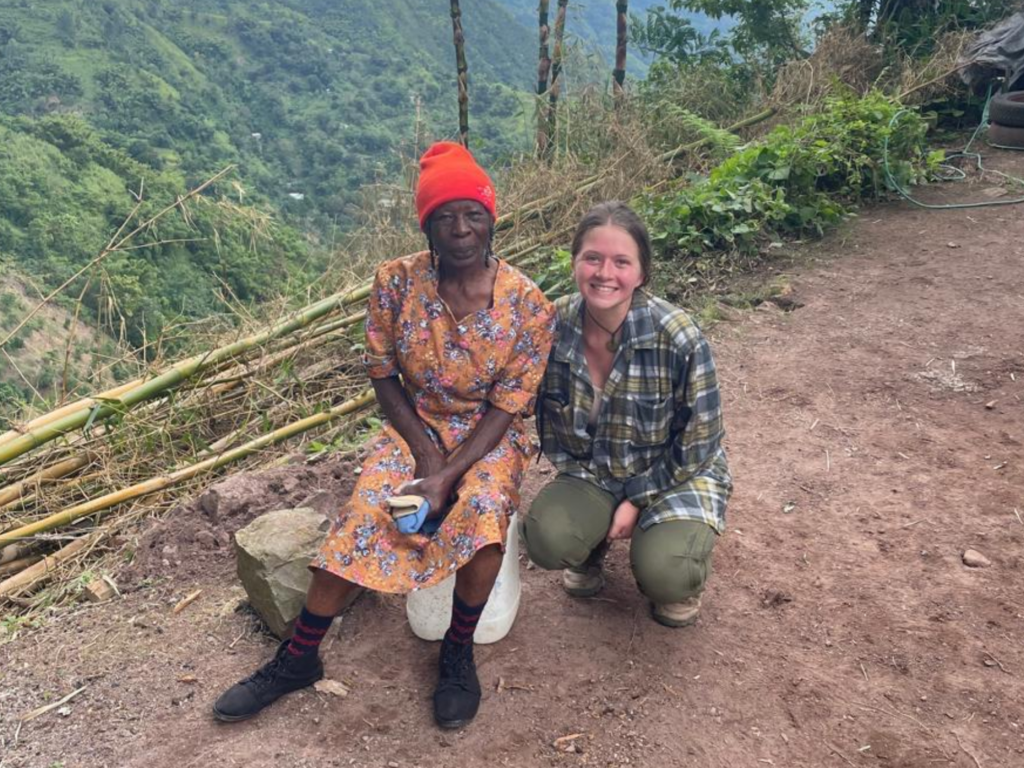
Photos courtesy of Marie Schmitz
Marie Schmitz
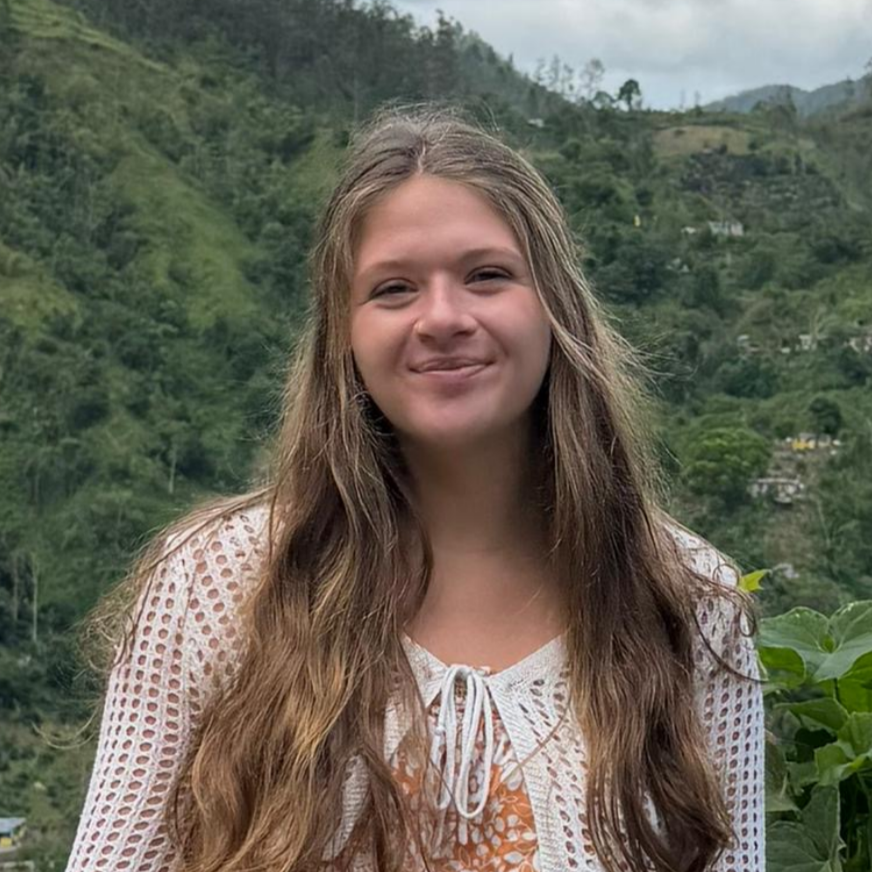
Marie Schmitz is a Sustainable Agriculture Facilitator with the Peace Corps in Portland, Jamaica, where she works with local groups and co-operatives to increase soil and water conservation, increase agribusiness activity, and increase organizational development for farmers’ groups and co-operatives. She holds a Bachelor of Science in Public Policy from Georgia State University
Want more content like this? Subscribe to The Foodscapes Collective to be the first to know about articles like this and more.



 The Foodscapes Collective
Leave a comment