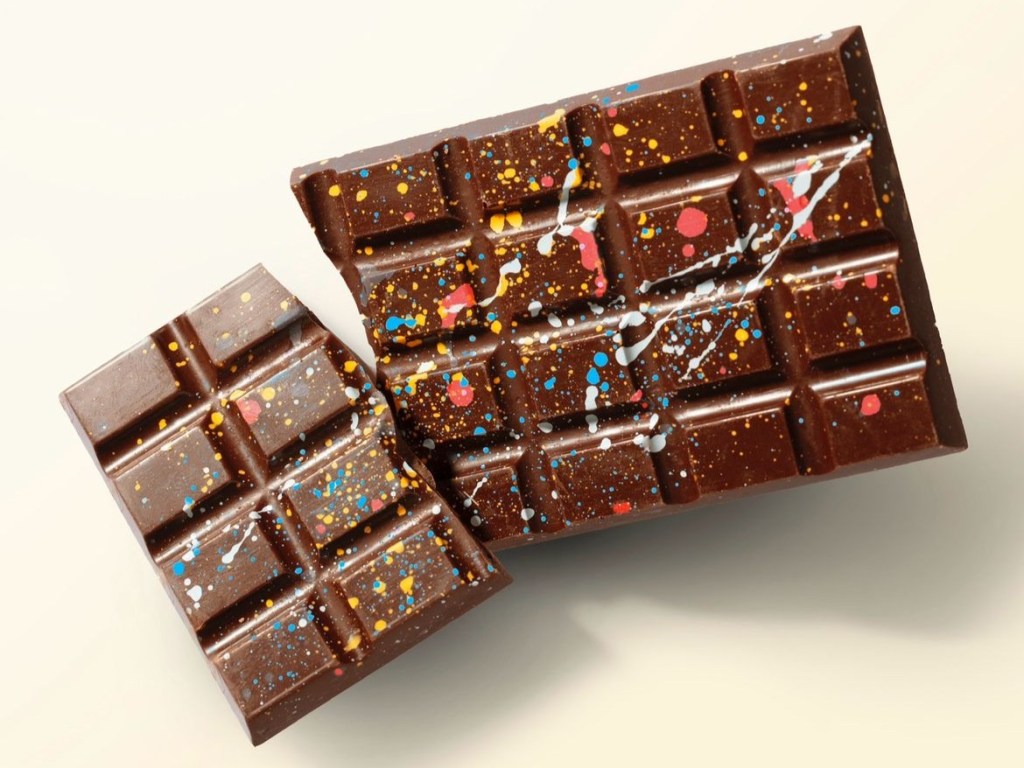
The smell of roasting cacao, chocolate rivers mixing in a machine—the rich chocolate aromas cross our noses as Nadine Burie, artisan chocolatier and fine pastry chef, sits in her office across from us at the Likkle More chocolate atelier. You wouldn’t know it from looking outside, but this small factory quietly produces some of the highest-quality chocolate in Jamaica.
Producing fine, bean-to-bar chocolate is a hands-on process that begins with sourcing the cacao beans and continues through the chocolate-tasting experience. It is an excellent example of a food’s complex relationship between land, farmer, maker, and consumer.
“Food goes directly to the consumer, so it’s a real responsibility, and I think we still have a lot to improve and make it better,” Burie tells The Foodscapes Collective. Likkle More is constantly looking to be better, all the while being in harmony with nature and collaborating closely with farmers are part of the Likkle More ethos. Sustainability is at the heart of their chocolate.
Likkle More is a great example of a brand whose work offers a window into how Jamaica’s fine cacao is being transformed. Based in Kingston and originally from the Ivory Coast, trained chocolatier and pâtissier Burie brings the technical craft, while Jason Sharp, Managing Director of Coffee Traders Limited, brings the supply chain know-how.
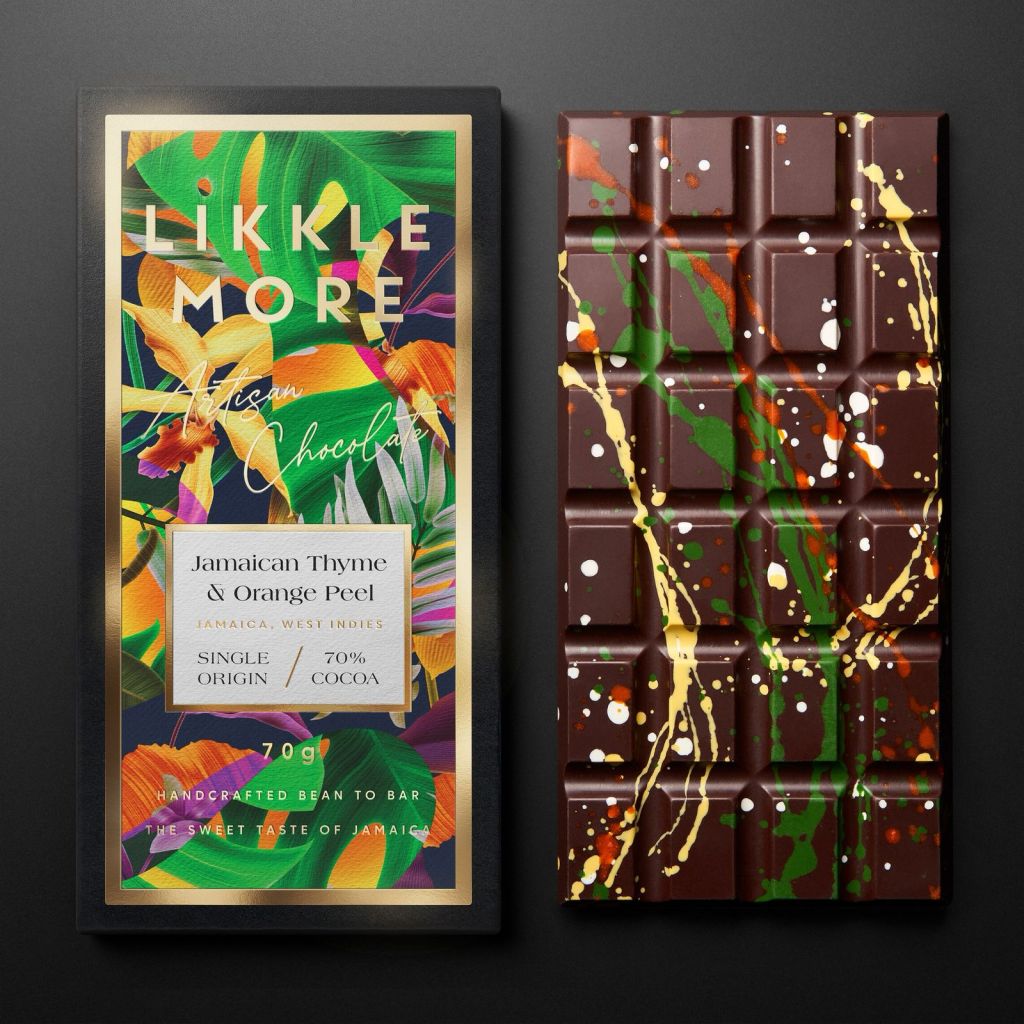
Likkle More is the product of a shared vision to reestablish the cocoa industry in Jamaica. “I’m happy that we work with farmers directly so we can build this industry back together,” Burie says.
Jamaica has a long but often overlooked relationship with cacao. In the 1920s, the island was producing upwards of 35,000 tons of cacao annually, making it a significant player in the global market. Over time, production declined dramatically, with some estimates placing current output closer to 100 tons per year. By any measure, Jamaica is no longer a high-volume cacao producer.
While production levels have fallen, quality has not. Jamaica is one of only eleven countries recognized internationally as producers of fine or flavored cocoa, and one of just seven classified as exclusive producers of this category, according to the Jamaica Agricultural Commodities Regulatory Authority. These designations speak not to quantity, but to complexity, aroma, and unique characteristics shaped by terroir, climate, and post-harvest practices.
In this context, Jamaica’s chocolate story is no longer being written by scale, but by intention—by farmer partnerships, careful sourcing, and a renewed focus on value over volume. It is within this quieter, more deliberate movement that craft chocolate makers are redefining what Jamaican cacao can be.
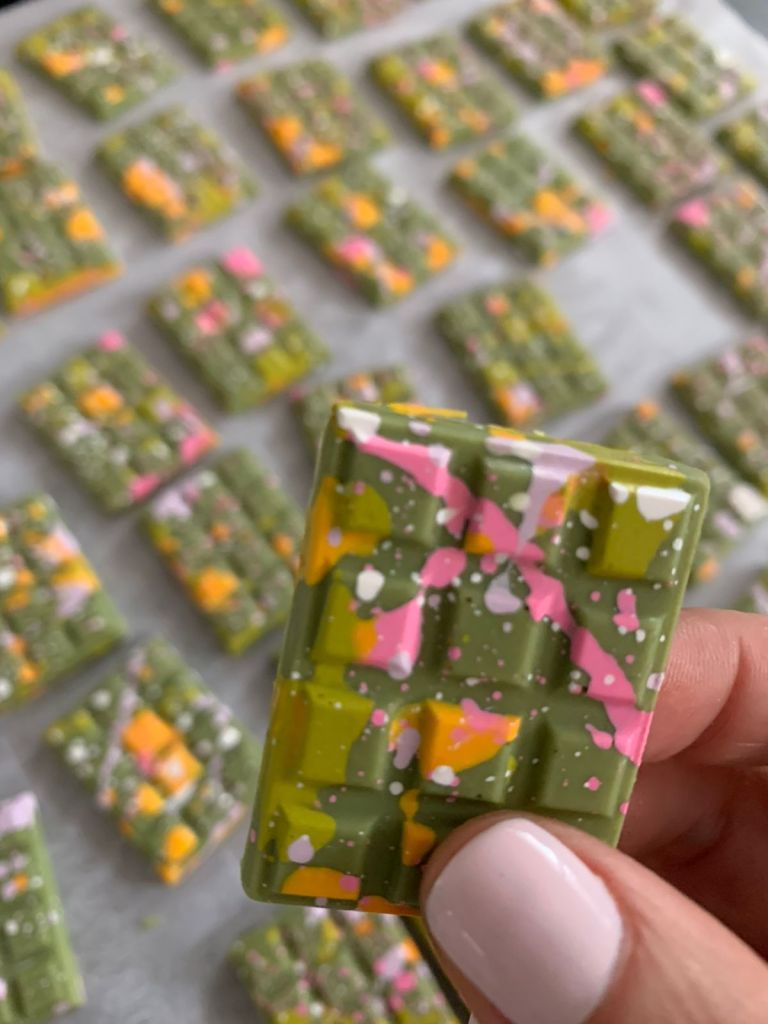
“Jamaica really has outstanding chocolate. But we really don’t have an established cocoa industry. I would love to reestablish something and start that trend again,” Sharp tells The FoodScapes Collective. “And so we went on this chocolate journey together to learn about the industry and then slowly we started to develop this business together, a partnership, to make a high-quality chocolate, what we call bean-to-bar chocolate”.
That commitment to Jamaica is also woven into the name of the company. The term “likkle more” translates to “a little more” or “see you later” in Jamaican patois. “For me, it was the best name for my company, who doesn’t want a little bit more chocolate?” Burie says. She was intentional in choosing a patois expression as a way of giving something back to the island and embedding the brand firmly within its cultural context.
In developing Likkle More, Burie’s talent as a chocolatier quickly became apparent. Likkle More has since earned international recognition, taking home 9 awards in 2025 across multiple competitions.
At the Academy of Chocolate, Likkle More received bronze for its signature 70% dark chocolate bar in the plain dark chocolate bar category. In the flavored chocolate bar category, the brand earned four additional awards: a gold for pink peppercorn dark chocolate, silver for scotch bonnet pepper dark chocolate, and bronze awards for both fresh ginger dark chocolate and orange and thyme dark chocolate.
Further recognition came from the International Chocolate Awards, where Likkle More’s hazelnut pearls won two awards, bronze at the World Finals, and silver at the Americas – Latin America & the Caribbean Bean-to-Bar and Craft Chocolatier Competition. The brand’s fresh ginger dark chocolate and orange and thyme dark chocolate also received bronze at the International Chocolate Awards Americas Competition. Likkle More is also featured in the Celebrating Women in Chocolate tasting box by Cocoa Future Collaborative.
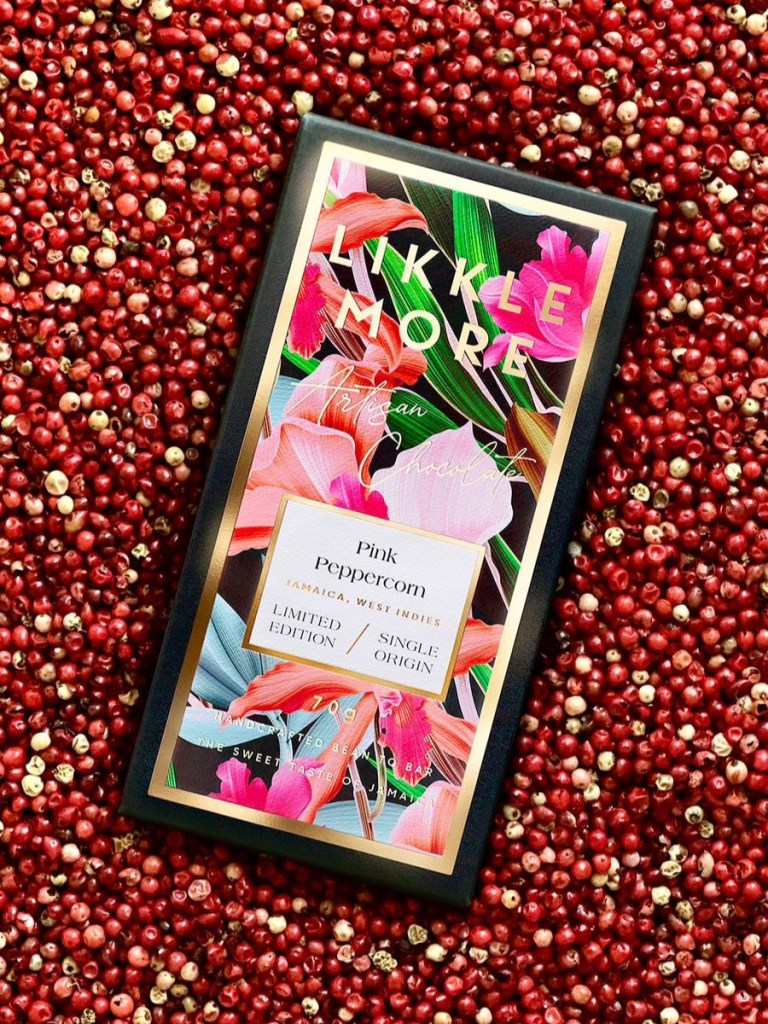
All of these flavors reflect Burie’s relationship to Jamaica. “When I’m here, I like to respect the country and eat from the country. So everything that I found that I love in Jamaica, I use in my chocolate” she explains. “I wanted to bring very high quality, good chocolate, but with Jamaican flavors.”
All ingredients are sourced locally and processed within their facility. “When we make scotch bonnet, we buy it fresh, we dehydrate it, we grind it into powder, and diffuse it into our chocolate. Same with thyme and ginger. And quality is really important to me, so our ginger is really unique because we use Jamaican ginger, it has a different flavor than other ginger.”
But what sets Likkle More apart is not only its celebration of Jamaican flavors, but also a deep commitment to sustainability and transparency across the supply chain. For a company to follow a bean-to-bar business model, it has to control every step of the manufacturing process starting from the bean — a lesson that Burie and Sharp learned quickly.
“When we started, we didn’t know what was a good or a bad bean. So when we started buying the beans, the chocolate we were making didn’t taste right. After a few years, Jason said, we have to control everything. We need to understand the process, we need to do our own fermentation for the quality. This was really important,” Burie explains.
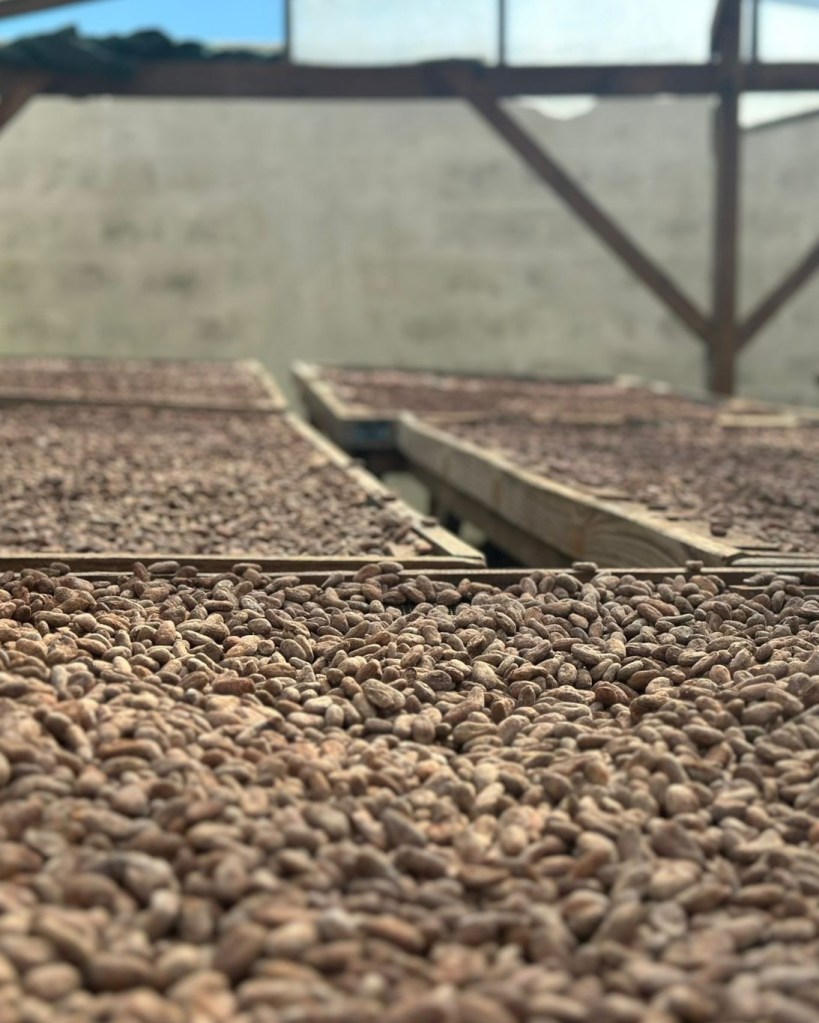
Today, Likkle More focuses on consistent and direct communication with farmers. And taking it a step further, they operate their own fermentary to closely manage fermentation, and oversee dedicated drying spaces to ensure beans are dried slowly and correctly. This level of control, Sharp explains, “ensures that you get a really high-quality product from the start.”
Sustainability, for Likkle More, is more than a label on a chocolate bar. It is a series of daily decisions made at every point along the supply chain, beginning with farmers and the land itself. Rather than treating sustainability as a marketing claim, the company approaches it as an ongoing practice shaped by relationships, training, and long-term investment.
Likkle More currently works with clusters of farmers across Jamaica, totaling roughly 75 growers. Sharp said that they will probably reap about 10-12 tons of cacao this year. Central to this effort is hands-on collaboration with farmers, including training sessions and support aimed at improving efficiency and post-harvest handling.
As Sharp explains, the goal is “to help [farmers] be more efficient and to improve the collection process, to ensure that what we gave them to start to make chocolate was of exceptional quality.” Not only is this important for the flavor profile of the bean, but it’s important in facing the vulnerabilities of growing chocolate.
“Frosty pod is one of many diseases that can occur over a couple of hundred years. You can’t grow one variety, or you’ll end up having a completely wiped out industry, as we did in Jamaica. It’s important to have a number of different varieties [of cacao] in your field” says Sharp.
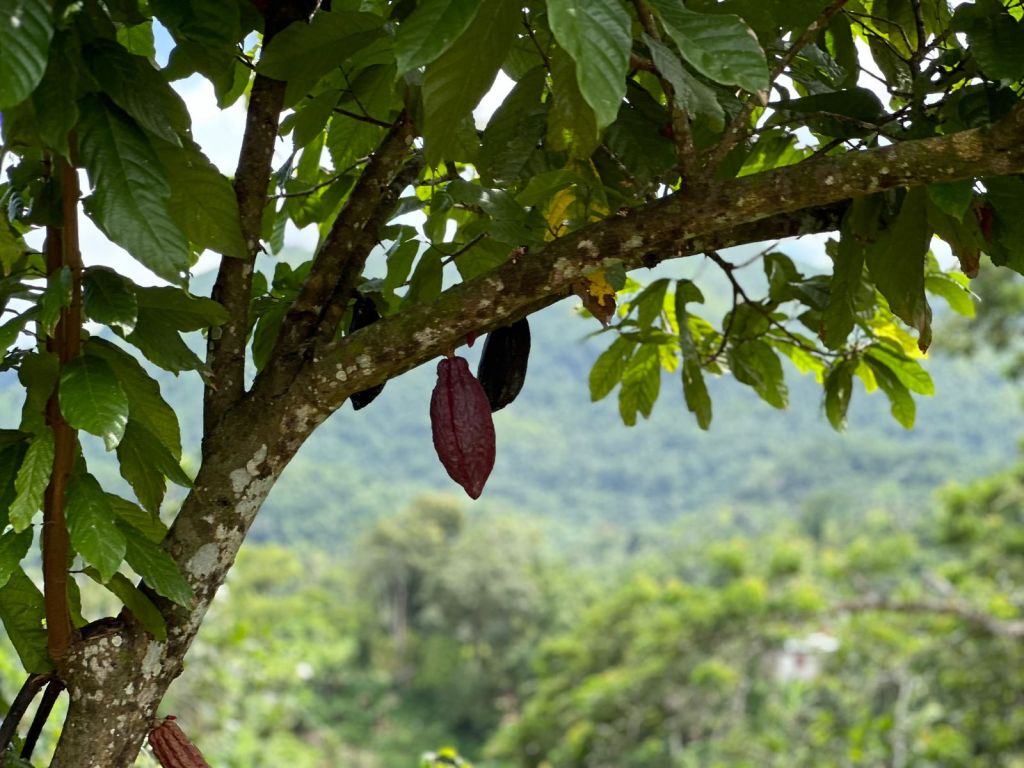
In response, Likkle More is working to identify a small group of cacao varieties that can be grown at a modest scale while remaining resilient. The company is also using grafting techniques that pair productive varieties with disease-resistant rootstock, reducing exposure to soil-borne diseases and strengthening long-term farm health.
Climate events add further pressure. Hurricane Melissa recently struck Jamaica, causing widespread crop losses. “We don’t yet know the full extent of the damage,” Sharp says, “but we know we lost a lot of the crop.” In the aftermath, Likkle More has been working with government agencies and other industry partners to rehabilitate damaged trees and support recovery efforts.
For consumers, chocolate is often reduced to a bar on a shelf. But behind every bar is a story, and many people working together. Likkle More invites consumers to engage with chocolate as a product rooted in place, relationships, and intention. The care invested at every level of the chocolate making process ultimately shows up in flavor and quality. Choosing chocolate made this way is not just about taste; it is about supporting a food system that values transparency, fairness, and sustainability from bean-to-bar.
Pictures courtesy of Likkle More.

Joel Matheson
Joel Matheson is co-founder of The Foodscapes Collective and is passionate about sustainable agriculture, food security, and climate resilience. He holds an MA in Global Studies and a BA in Environmental Studies. He was a Peace Corps volunteer in Jamaica from 2018-2020.
Morgane Bataki
Morgane is co-founder of The Foodscapes Collective and full-time PhD student in Environmental Sciences at the Open University of the Netherlands. She holds a BA in Cultural Studies and an MA in Food Politics. While her research focuses specifically on transformations towards sustainable agriculture, she is equally passionate about all things food-related, especially exploring the world through diverse cuisines.
Want more content like this? Subscribe to The Foodscapes Collective to be the first to know about articles like this and more.




 The Foodscapes Collective
Leave a comment