
The Fifteenth International Conference on Food Studies took place from October 8 – 10th at the Future Africa Campus in Pretoria, South Africa. This years’ edition was titled Fed UP: Learning from the Past, Imagining New Futures. Serving as a platform to connect academics and practitioners, the conference inspired a range of keynote speeches and presentations exploring the complex relationships between food, culture and sustainability.

“Our theme, Fed UP, is both a reflection and a challenge. It asks us to learn from the past, what worked and what did not, and to imagine food futures that are just, sustainable, and nourishing for all” says Dr. Nadene Marx-Pienaar, lecturer and member of the conference organizing committee at the University of Pretoria.
Academics and practitioners from around the world joined the conference to reveal a variety of research and initiatives committed to better understanding food systems and shaping sustainable futures.
Starting off strong with a scenic hike through the local Moreleta Kloof Nature Reserve and a wine tasting featuring a selection of locally produced wines, the next three days that followed were a whirlwind of stimulating conversations, thought-provoking speeches and many food-related activities.

In line with the special theme of the conference, “learning from the past, imagining new futures”, several presentations and activities showcased indigenous African crops, exploring their historical, cultural and ecological significance as well as their potential contributions to local food environments.
Indigenous crops are plants that occur naturally in specific locations and are consumed as a part of traditional diets. Their production and consumption in local food environments have shown to have many benefits. Discussions throughout the conference specifically highlighted the importance of such crops in diversifying food sources, improving food sovereignty, biodiversity conservation, and cultural resilience.
A guided tour of the on-campus garden introduced conference participants to such crops. The tour offered a tasting menu featuring ingredients such as Numnum (Carissa), a fruit rich in antioxidants, Mondia, a medicinal plant, and Pelargonium, a mint-scented plant.

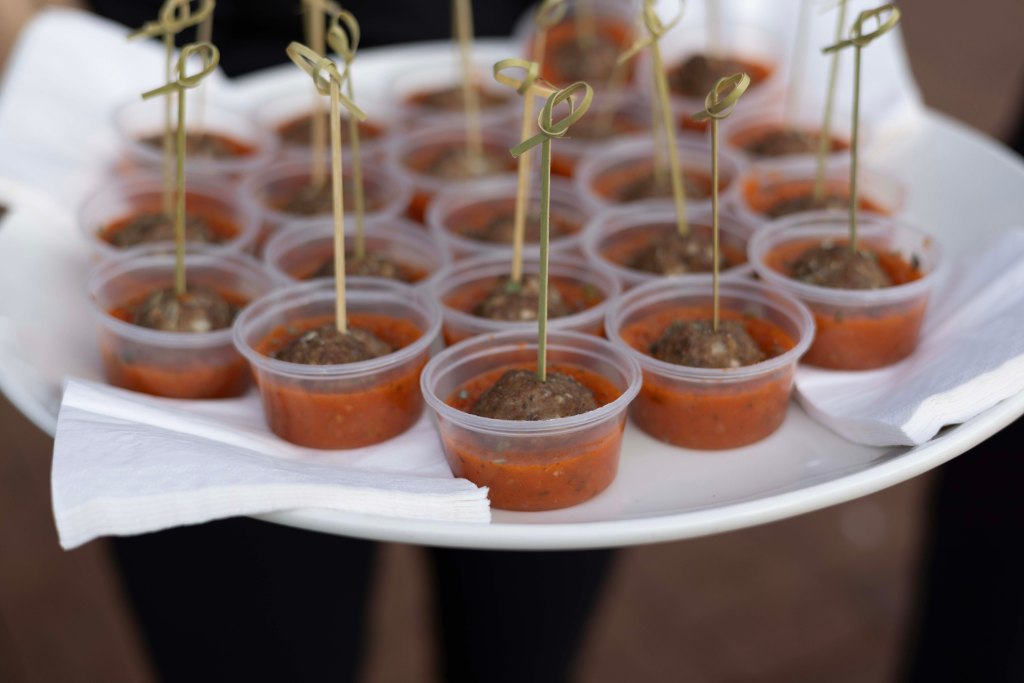

Snacks served at the tour of the Future Africa campus garden
“Imaging new futures” also means confronting the gaps and challenges that we face in creating healthy and sustainable food environments. In particular, participants raised concerns regarding declining intergenerational food literacy. Food literacy refers to the skills and knowledge related to understanding food. Examples shared highlighted food safety gaps in the restaurant industry and increasing rates of malnutrition and undernutrition globally.
An inspiring plenary session by Miles Kubheka, founder of Wakanada Food Accelerator and Gcwalisa, encouraged participants to think boldly about social impact. “Everyday is insurmountable. It would be easy to quit,” says Miles. Gcwalisa, he explains, is an organization dedicated to improving South African’s access to nutritious food, energy , safe drinking water , and essential medicines.
And everyday they are learning, and working, to implement solutions that work for the local communities. “One of our tenets of the organization is that we practice what we preach and we preach what we practice. We’ve got all these amazing insights, what is the point if it just stays within our team?” Miles explains “if I can share some of the learnings and insights, I’m hoping that others will start doing some of these things.”
The momentum of inspiration continued beyond the plenary, as participants shared insights on potential solutions and approaches to shaping sustainable and healthy food environments. One powerful theme that resonated was the idea that access to food is a fundamental human right, and should be recognized as such.
By shifting from a needs-based to a human rights-based perspective, we can look beyond just food availability and also consider accessibility, cultural relevance, and nutritional quality. Speakers also reflected on themes of kinship and reciprocity, reminding us to view food insecurity as a shared human concern, and to recognize it as a systemic failure, not an individual one.
This also applies to looking at where and how food is produced. Changing the food system is not only a matter of consumption, it must also be addressed at the production level.
Case studies from Uruguay, Mozambique, Ghana, and the United States illustrated the complexity of transforming agricultural systems, even at the small scale. These studies revealed persistent challenges such as unsustainable farming practices, issues of food surrogacy (food insecurity in high agricultural producing regions), and the harsh conditions faced by migrant agricultural laborers.
The conversations that followed emphasized the importance of holistic, inclusive, and just approaches to transforming food systems at every level.
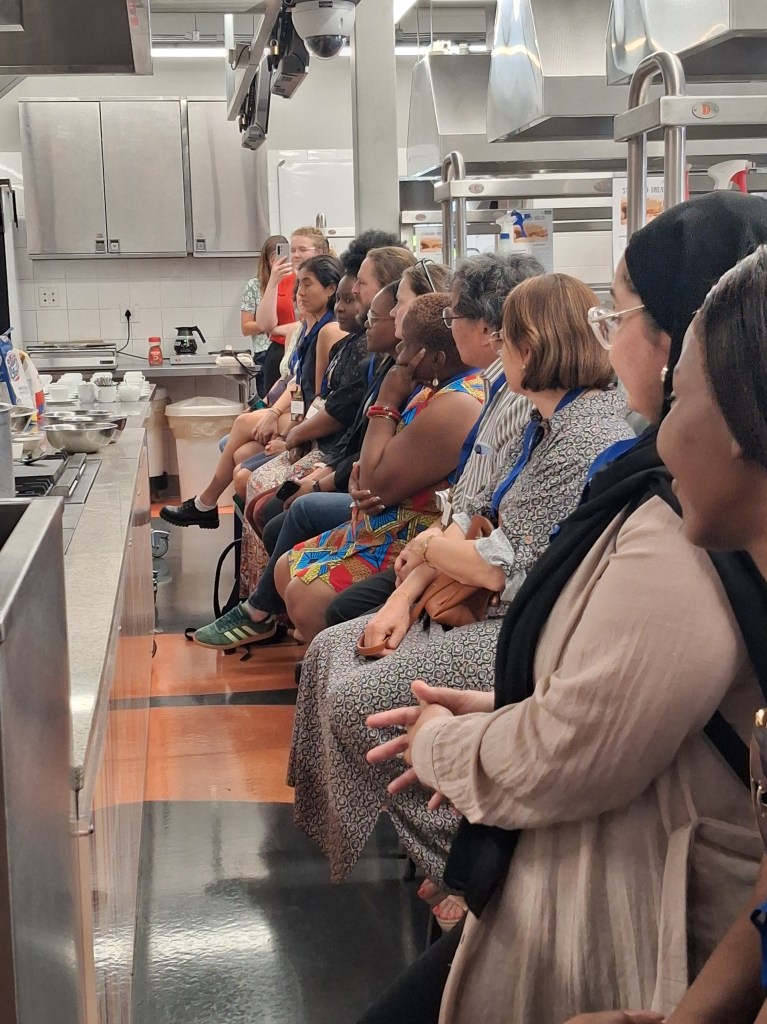
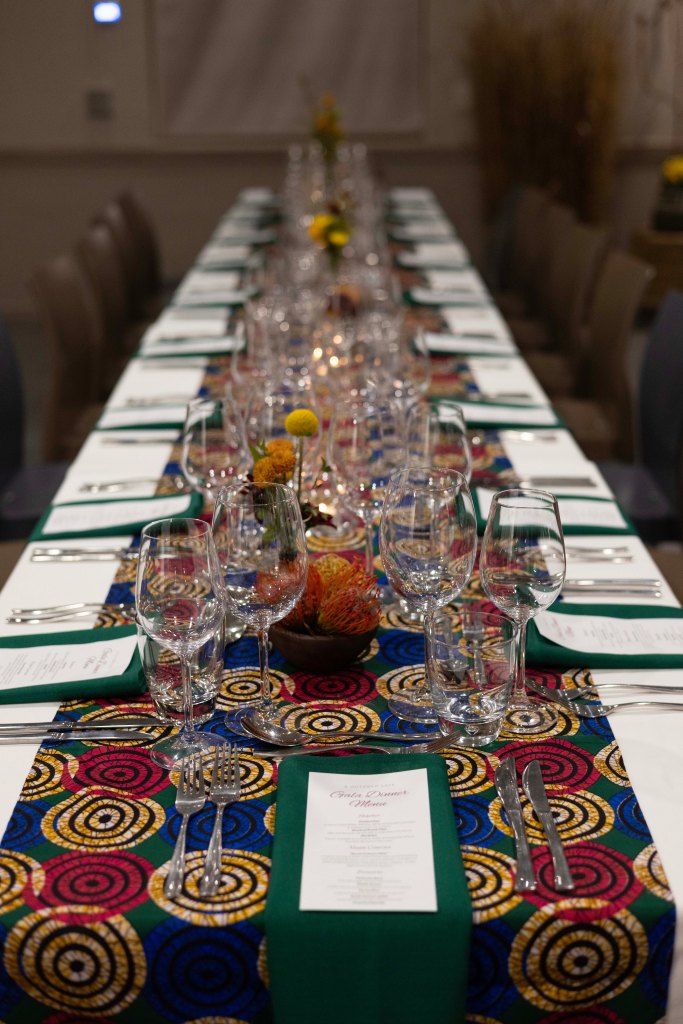
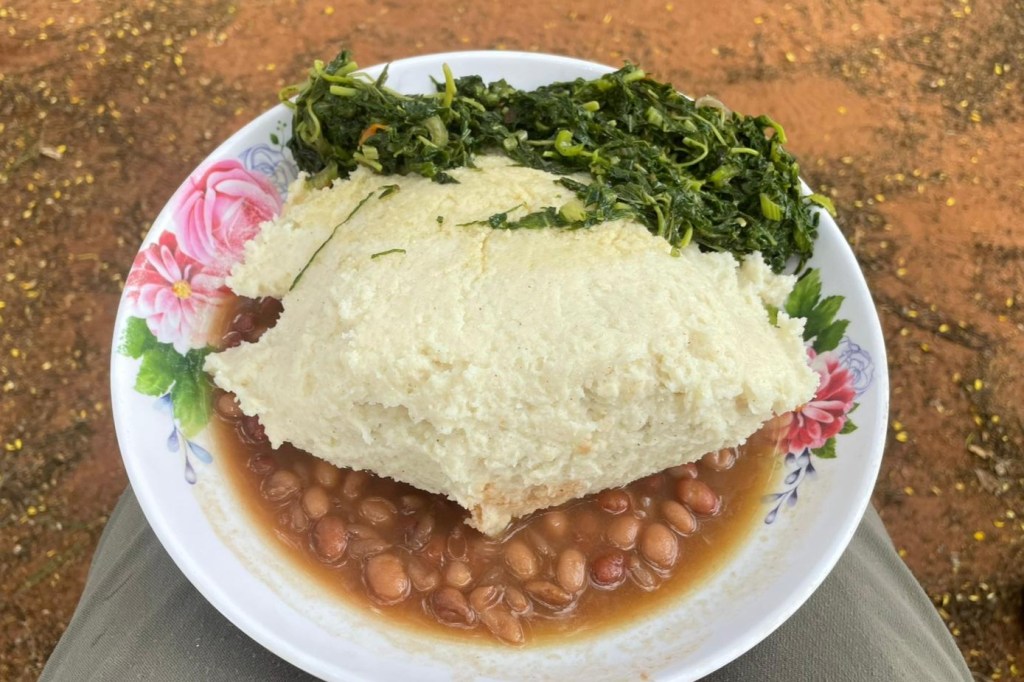
Highlighting each day of the conference were unique culinary experiences. From tasting recipes featuring indigenous crops, an international bread baking session, a South African feast, to ending with a traditional South African braai (barbeque), suffice to say that everyone left this conference well fed and happy.

Join us next year at the Sixteenth International Conference on Food Studies in Osaka, Japan! The special theme is “Living with Water: Food and Life” and the call for papers is already open.



 The Foodscapes Collective
Leave a comment