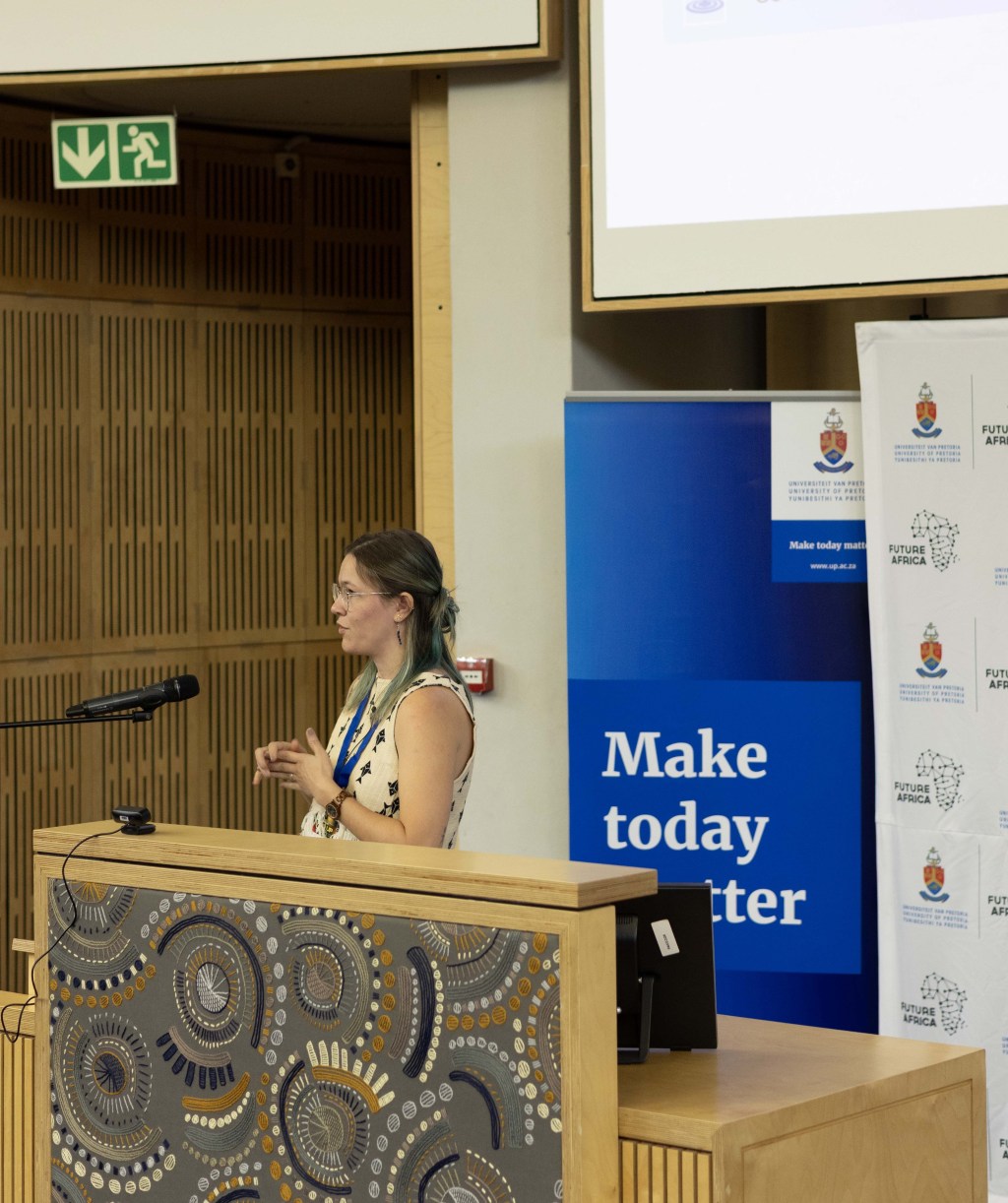
This post deviates a bit from our regular content, but I am using this platform as a means to share my PhD journey as it comes to an end. These past four years have been an intense combination of conferences, courses, projects, papers, case studies, and everything in between. It’s not a journey I expected to go on, but one I am definitely thankful for and so here I try to explain how I went from a Cultural Studies student to one working on transforming the food system.
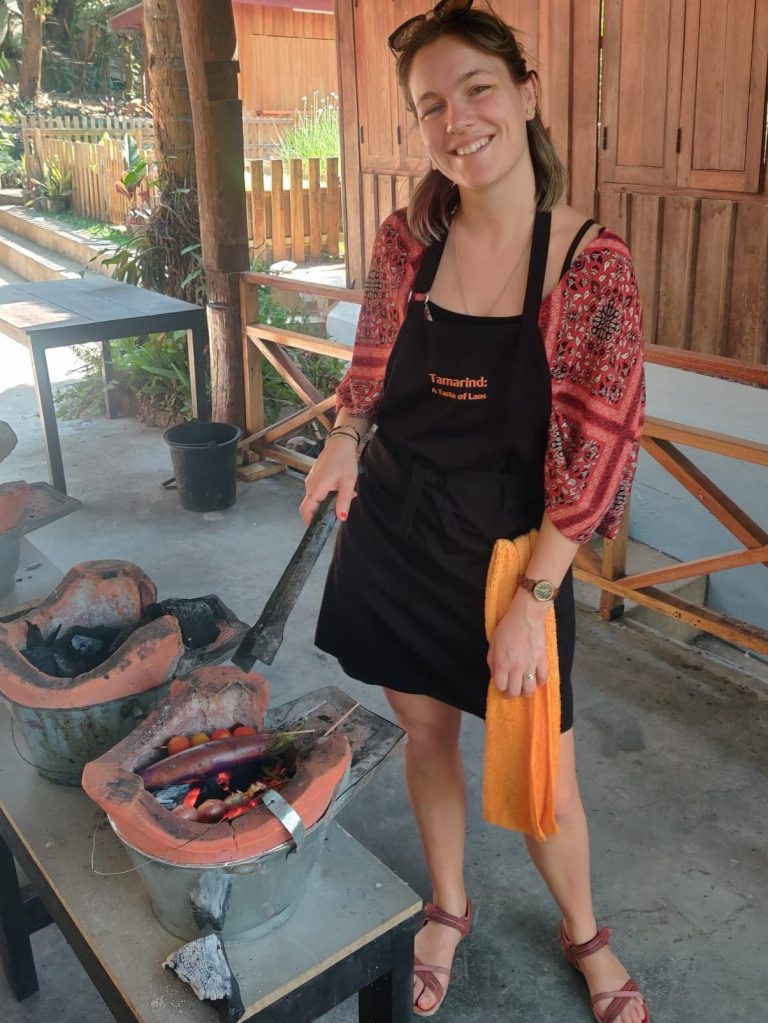
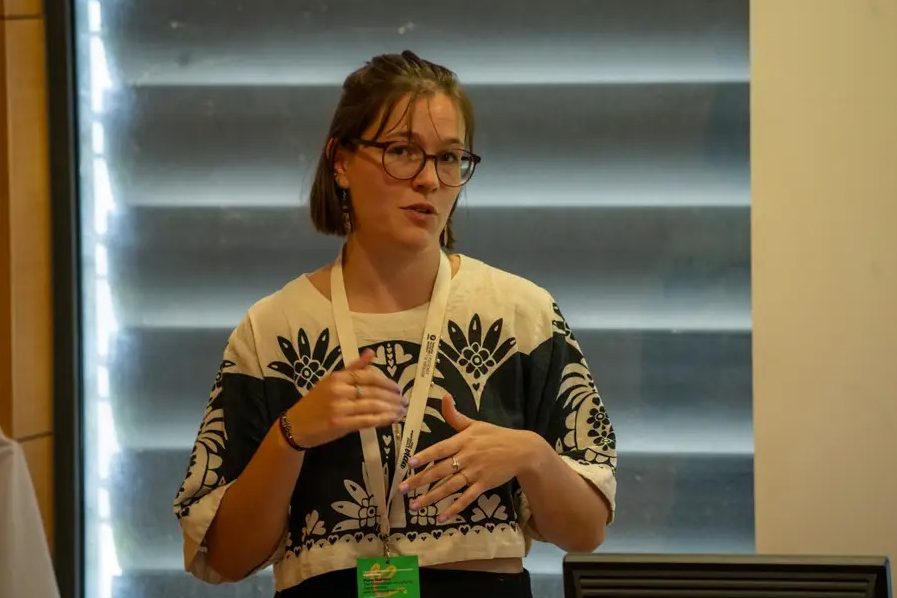
In my undergraduate studies, I was given free reign to write my dissertation on any topic that sparked my interest – and so I chose food. I had no way of knowing that this decision, one I took to try to better understand my relationship with food, would lead me to where I am now – finishing up a PhD in Environmental Sciences.
I have always been passionate about food, there really is no other way to describe it. Food helped me make sense of my identity, to relate to the many cultures that I simultaneously belonged to yet was so distant from. Having grown up in the United States and Germany with a French mother and a Hungarian father, the number one question I always got was where do I feel at home? This is a question that I still struggle to answer today, always feeling like I never quite belonged to any one country or location, and not knowing how to express this to others. This is a common experience among Third Culture Kids, also known as individuals who have spent most of their formative years outside their parents’ homeland. We have no one place that we are tied to, so answering this question becomes a personal exploration of our own cultural identity and sense of belonging.
It was at university, where I had to start cooking my own meals, that I realized what home meant to me, and it had nothing to do with place. For me, home is eating the food my parents make, keeping all our cultures alive through different dishes and cuisines. So many of my memories growing up are surrounded by food: my dad teaching me to make goulash in a cauldron over the fire, and my mom instilling in me a deep respect for the cooking process by insisting I always mix crêpes batter by hand. From a young age I remember being interested in cooking and baking, even asking my teachers and neighbors for their favorite recipes. Shoutout to my fifth grade teacher who gave me a recipe for her mom’s chocolate peanut butter oatmeal bars which I’ve still kept.
Certain dishes and flavors vividly remind me of people and places. My grandma’s tomate farcie (stuffed tomatoes) taste like summers in the South of France. My dad’s Hungarian food brings me back to those years as a kid when I was part of the Hungarian scouts in Washington, D.C., and my mom’s crêpes remind me of home – I actually carry a special crêpes pan with me whenever I move to a new country. All of these help me relate to parts of my cultural identity in a way that I could not do otherwise as I had never grown up in France or Hungary.
Through food and cooking I not only found myself, but opened a door to learning about all the different cultures, traditions, and geographies of the world. Over the past few years, I’ve made it a personal mission to explore the world through its cuisine. With each new dish, I learn to appreciate different flavors and food experiences, and I have also found that food has a unique way of connecting people. Most of us can trace a memory, a feeling of comfort, or even a sense of belonging back to a dish. Just watch the stoic food critic in Ratatouille be transported back to his childhood with a bite from a simple dish. Food is deeply rooted in place. The local environment shapes the ingredients and flavors that define a cuisine, while cultural traditions guide how those flavors are brought together. It’s no surprise, then, that food is so closely tied to one’s cultural identity and belonging.
It was this realization that led me to do my research on the relationship between eating habits and identity. My goal was to examine how students’ identities were reflected in their food choices, from religious and cultural upbringing, to internal motivators such as ethical considerations. In discussions I had with students across my campus, I started to learn more and more about how our everyday food choices impact the environment. The amount of plastic we consume, our daily dairy and meat intake, diversification of diets, and local vs imported products – all of these decisions contribute to our impact on the environment. This was the first time that I had engaged with food outside of the context of culture and it raised so many questions and dilemmas that I had never thought about before. How was it possible that food, which I had always associated with tradition, comfort and connection, was also so closely tied to deforestation, plastic pollution, and the climate crisis?
With these questions in mind, I pursued a Master’s degree in Food Politics, where I spent two years uncovering how deeply the food and agriculture system is entangled with global challenges. I learned about how experiences of food insecurity are influenced by structural inequalities; I also explored how histories of colonization continue to shape agricultural systems today. I came to understand, too, the agricultural sectors’ irrefutable toll on the environment. In terms of production, a focus on productivity has come at the expense of crop diversifcation , and modern agricultural practices rely heavily on fertilizers and pesticides that pollute ecosystems, drive deforestation, and fuel land-grabbing practices that displace communities. These impacts ripple across the entire supply chain, from unsustainable food transportation to the global paradox of food loss and waste and increasing food and nutrition insecurity. All of this is compounded by the climate crisis, where extreme and unpredictable weather patterns are undermining agricultural production, and threatening farming livelihoods and the future of food security.
It’s clear to me, and to many, that the system needs to change, and it needs to change urgently. But this is the key problem, we do not have the luxury of time and the kind of systems-wide changes that need to happen take time.
Today, farmers are placed under so much pressure to change their farming practices to be more sustainable to reduce their impact on the environment. And, while this is true, our current approaches to changing farming practices has, for the most part, failed to achieve its desired outcomes. In telling farmers that they need to change and the best ways to do so, we are forgetting to engage in inclusive and just learning spaces.
Learning in farming has a long and complicated history. Farmers have always learned from the land itself and are, in many ways, experts at its management. Farmers are also often expected to learn from formal institutes such as research institutes, government extension services, and private companies. This latter form of learning has historically been fraught with discrimination, and often continues to perpetuate notions that farmers’ knowledge is somehow “informal” or less valuable. Too often, these institutions have tended to teach and impose information on farmers without fully considering its implications – is the technology practical to adopt? Will a new crop type support a healthy diet? Are the farmers even in a position to prioritize these innovations, or are they facing other, more urgent challenges? But things are changing, from high-level reports that recognize the need to rethink how knowledge is exchanged, to grassroots organizations working to ensure farmers’ voices are heard.
When I embarked on my PhD journey, it was a lesson in what it means to learn, and how to create a learning experience that will foster change. My research shows that there are a number of factors that influence learning, and I focus on highlighting those that have the potential to shape positive learning and action outcomes – trust, diversity, collaboration, problem-solving, and critical reflection. And yet, it is not a foolproof framework. We can have an inclusive process, favorable conditions, but it is still difficult to predict how people are going to respond or how their own situations will constrain them or enable them. This is the reality that we are working with in this field. With continued practice though, we can learn how to adapt learning to best fit the needs and context of a specific community or place, planting the seeds of transformative change. Hopefully, this is how change can be achieved, maybe more slowly than we hope, but making sure that we do so in a way that continues to challenge injustices in the food system.
At the end of the day, this project is more than just sustainable agricultural practices, it’s about how we can foster transformative change to ensure a resilient food system — one that sustains the environment while also safeguarding the cultures and traditions that food carries with it. Central to this is the process of learning. As my research has shown, learning is never linear or predictable; it is shaped by social, economic, and environmental realities that both constrain and enable what is possible. Yet it is through these imperfect, context-specific learning processes that real change begins to take root. For me, this work is about ensuring that food continues to connect us while we learn how to build a more just and sustainable future.




 The Foodscapes Collective
Leave a comment