
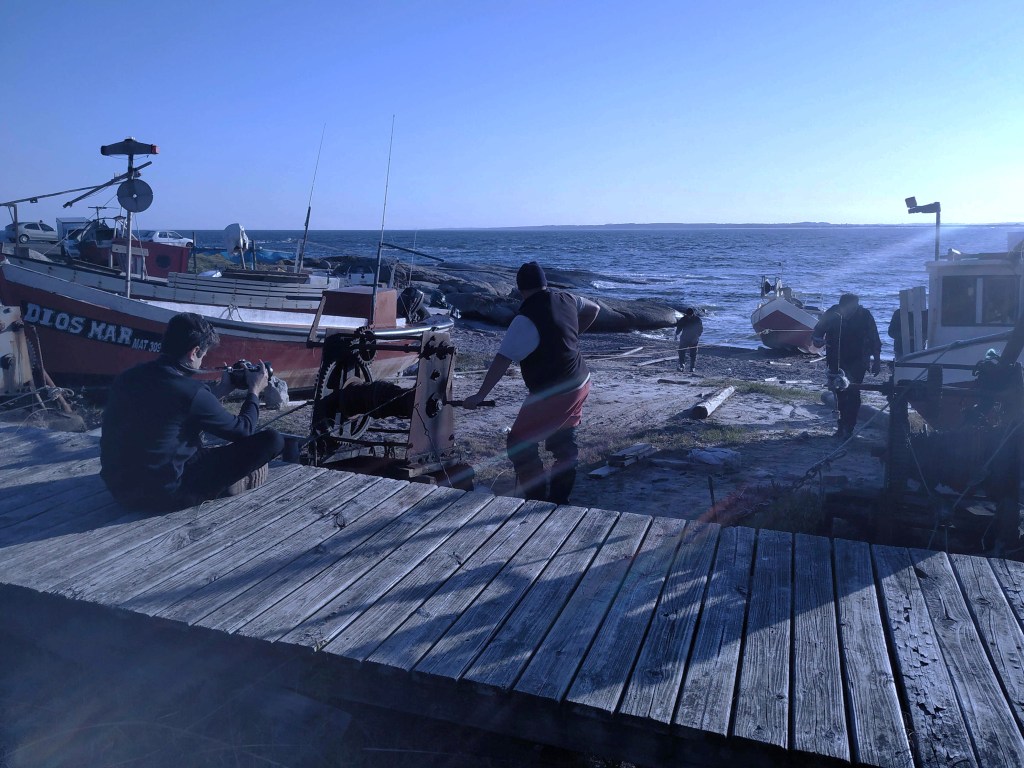
Small-scale fisheries in Uruguay hold immense potential to support food security, local economies, and sustainable livelihoods. Despite the importance of blue foods in food systems, Uruguayan small-scale fisheries remain underrecognized, underutilized and overshadowed by the country’s dominant beef industry.
The South American Institute for Resilience and Sustainability Studies (SARAS) is addressing these issues through its “Fishing Transformations” project, seeking to promote sustainable fisheries, foster collaboration, and reshape Uruguayan’s relationship with blue foods.
Globally, aquatic or “blue” food systems are crucial to the food and nutrition security of billions, and yet face many challenges maintaining supply in a changing climate. Defined as fish, shellfish and aquatic plants from fishing and farming, blue foods support the livelihoods of around 800 million people as well as local cultures and economies, according to a study published in Nature Sustainability.
Small-scale fisheries produce the majority of the blue foods for human consumption, and yet their role and vulnerabilities often remain overlooked. An assessment by Blue Food Futures finds that small-scale fisheries are affected by a number of threats including inequitable access to resources, the changing climate, dysfunctional markets, and social inequality. Increasingly, projects around the world are highlighting opportunities to support small-scale fisheries in local communities.
SARAS is one such institute, heading a project called Fishing Transformations in Uruguay. “The project was born out of a collective process that focused on the bigger picture of ‘what does it mean to transform the food system in Uruguay?’ Reflecting on debates about the role and gaps in the fisheries sector, the opportunity for this project emerged” Silvana Juri, a design researcher at SARAS, tells The Foodscapes Collective.
Uruguay has an extensive coastline, and small-scale fisheries can play an important role for many local communities by supporting livelihoods, local cultures and food and nutrition security while minimally impacting the environment. Despite their significance, the fishing industry in Uruguay contributed only 0.2% of the national GDP in 2020 and employed less than 3000 people.
However, the Uruguayan small-scale fishing industry also faces a cultural barrier that limits the overall consumption of blue foods across the country. In a country with one of the highest numbers of livestock per capita, Uruguay is well-known for its production and consumption of beef, popularized through the famous Asado – the art of grilling beef over a wood fire. While culturally significant, the prevalence of asado has greatly overshadowed the fishing industry.
As a result of this cultural barrier, eating blue foods is not only unpopular, but also inaccessible for many Uruguayans. According to the project, Uruguayans eat ten times more meat than they do fish as a result of a preference for meat, the high cost of alternative proteins, and scarce resources – especially for consumers living in the center of the country.
Having started in 2019, Fishing Transformations is an ongoing collaborative project aimed at “integrat[ing] many stakeholders and actors, and to target a debate that is not currently happening in Uruguay”, says Juri. So far, the project has managed to “co-create a transformative space by identifying and bringing together several innovative initiatives in small-scale fisheries in Uruguay and thus promoting the exchange of experiences, knowledge, and visions of the future”.

Collaborative work is one of the key elements that underpins the design and development of this project. Listed on the website is a catalogue highlighting all the initiatives involved in the project. This provides a useful resource for those interested in learning about different sustainable fishing projects in the area and as a means for participating initiatives to connect with one another. These include COOPESCONAND, a group promoting the consumption of freshwater fish, and Abono de Mar, a pioneering initiative that applies circular economy principles to transform problematic waste into a valuable asset: high-quality fish compost.
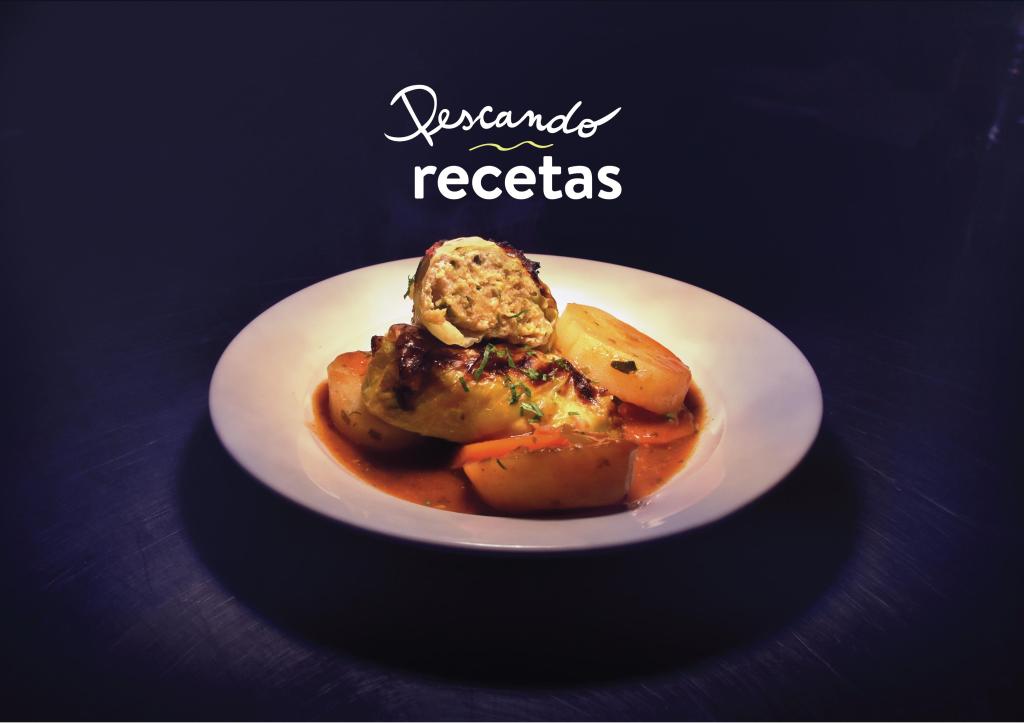
From the collective process, the team of researchers and initiatives have worked together on two successful deliverables including an online cookbook and a documentary. The cookbook, available online, “tries to decenter the perspectives and knowledge from the chefs alone, to foster a more horizontal collaboration, so the recipes are co-created between everyone,” explains Juri. In this process, she adds, “everyone participated in different ways” sharing insights, stories or tips based on their own expertise, background and capacities while learning at the same time. In a unique twist, the recipes also spotlights uncommon blue foods.
In a country with an already limited consumption of fish, this seems like a risky move, but Juri explains that this was intentional. “The idea of trying to diversify the options essentially stems from a biodiversity and resilience perspective,” she says. “We need more diverse options, so [we are] basically educating people about the fact that you can actually cook with any species and motivating people to explore and experiment a little bit.” By diversifying the types of species consumed, consumers can simultaneously support their food and nutrition security while preventing the overfishing of specific species.
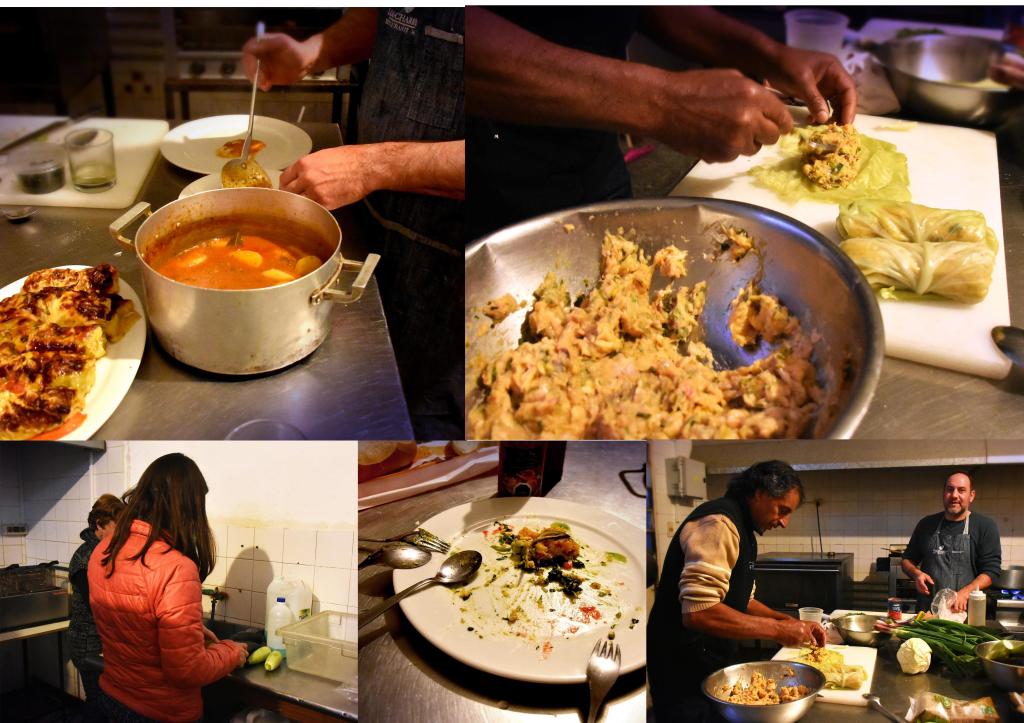
As a matter of fact, one such recipe was submitted for the competition Rico y Casero (delicious and homemade), held by the Ministry of Education and Culture in 2023, winning first place in its category. The recipe is “Envuelto de pesca artesanal”, which features a local fish called congrio, or eel, stuffed in cabbage and served in a vegetable stew. So far, the cookbook has gained interest from local culinary schools and has been featured by the Uruguayan Ministry of Social Development.
Another idea that emerged from the process of collaboration was a documentary. One hour and a half long and available on YouTube, the documentary “was a major milestone and a great way to show what each of the initiatives really does, express their views and tell their stories in their own voices, in their own terms,” explains Juri.
However, the project still faces several challenges. In spite of the growing interest, participation does remain voluntary and there is limited funding. “So it’s difficult for everyone to come together every time. Those who are involved contribute their time when they can and depending on their interests” explains Juri. Regardless of these challenges, the project is considered a success for the team, having provided a platform for collaboration and exchange to support participating fisheries across Uruguay.
Small-scale fisheries in Uruguay have long been overlooked, but the Fishing Transformations project is proving that collaboration and innovation can drive meaningful change. By raising awareness of local initiatives through various creative outlets, the project not only seeks to shed light on the challenges faced by small-scale fisheries, but to also inspire change by highlighting their diversity and potential opportunities for sustainable solutions. Growing engagement from communities and institutions signals a shift toward a more resilient and inclusive blue food system in Uruguay – one that values and empowers small-scale fishers as key contributors to food security, economic sustainability, and biodiversity conservation.
Photos are owned and provided by the Fishing Transformations project, which is managed by The South American Institute for Resilience and Sustainability Studies

Want more content like this? Subscribe to The Foodscapes Collective to be the first to know about articles like this and more.



 The Foodscapes Collective
Leave a comment