
Can farming reduce global textile waste? Eco2librium believes it can. This innovative Kenyan business is pioneering a groundbreaking solution—repurposing cotton textile waste and using it as a soil additive.
“The future of cotton textile waste presents a remarkable opportunity to bridge sustainability, innovation, and community impact,” says Hardley Malema, assistant director of the Office of Innovation for Eco2librium. “It is possible to divert large amounts of cotton textile waste from landfill to agricultural fields.”
This initiative offers three key benefits:
- Waste Reduction – It helps tackle the global textile waste crisis by diverting cotton waste from landfills, incinerators, and the environment.
- Soil Enhancement – It provides farmers with a natural, low-cost soil additive that can improve soil health.
- Economic Opportunities – It creates new income streams for individuals involved in waste collection and processing.
By turning waste into a valuable agricultural resource, Eco2librium is demonstrating how sustainability and innovation can work hand in hand to benefit both people and the planet.
The Textile Waste Challenge in Kenya
Clothing waste is a growing environmental challenge, with 92 million tons of textile waste generated globally each year—a number expected to rise to 134 million tons by 2030. This crisis is particularly severe in Africa, where a significant portion of the world’s discarded clothing ends up.
A major cause of this challenge is the influx of second-hand clothing, which makes up a majority of textile waste on the continent. In fact, about 70% of the world’s second-hand clothes are shipped to Africa. In Kenya alone, approximately 900 million pieces of second-hand clothing are imported annually.
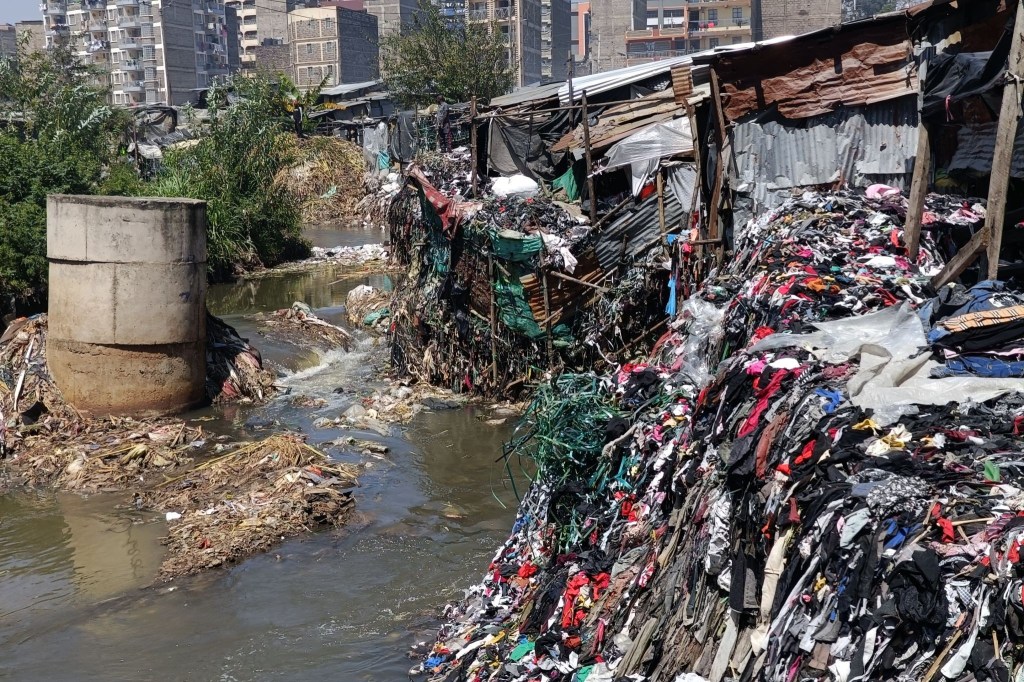
Beyond imports, Kenya also faces a growing internal waste problem, generating approximately 150 to 200 tons of textile waste daily, amounting to 55,000 to 73,000 tons annually. This massive accumulation presents serious health and environmental challenges, including pollution and the release of harmful substances into ecosystems.
Addressing global textile waste requires innovative solutions to reduce waste, repurpose materials, and promote sustainable alternatives—a challenge that organizations like Eco2librium are working to tackle.
A sustainable Solution for Farmers
“We are looking into developing a product,” says John Luseno, Field Assistant Director for Eco2Librium. “This product is supposed to solve a farmers issues, in terms of affordability and improvement of agriculture.”
Turning cotton textile waste into a soil amendment product also benefits smallholder farmers. Not only does it reduce textile waste from reaching landfills, incinerators, and the environment, but it also provides a cost-effective alternative to expensive fertilizers. Smallholder farmers, who often struggle with high input costs, stand to gain the most from this upcycled resource.
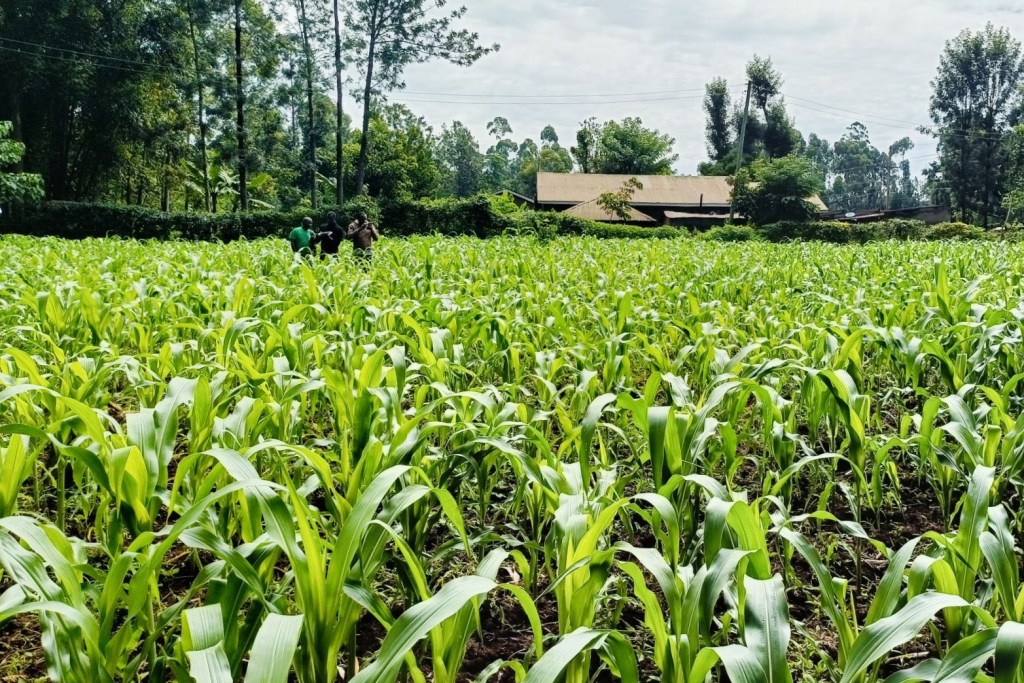
“Most of the farmers get a really low income, so they would like to save more from their earnings,” says Malema, “so this total textile additive project is becoming really handy for them and they keep on calling and asking how far we are with the final soil amendment products.”
By transforming waste into an affordable and sustainable agricultural product, this initiative supports both environmental sustainability and economic resilience for farmers.
Eco2Librium’s Broader Impact
Eco2Librium’s commitment to sustainability and community development extends far beyond textile recycling. Their Stoves For Life project, a long-running carbon initiative, has provided energy-efficient stoves to over 180,000 households, reducing firewood consumption and helping combat deforestation. This initiative is made possible through an established network of over 800 people who support manufacturing, distribution, and installation efforts.
These stoves are made affordable for rural Kenyan families through international carbon credit subsidies. Beyond this, Eco2Librium is actively involved in reforestation and agroforestry, converting sugarcane residue (bagasse) into charcoal briquettes, and expanding access to solar power by providing solar kits to rural communities.
Now, leveraging their existing infrastructure and community partnerships, Eco2Librium is engaging local populations in their cotton textile recycling project, further expanding their impact by creating new economic opportunities while promoting environmental sustainability.
Transforming Cotton Waste into a Soil Additive
How does cotton textile waste become a soil additive? The process, first trialed by Goondiwindi Cotton, is actually quite simple. Cotton clothing is collected, processed, and then combined with other organic materials before being added to farmers’ fields as a compostable soil amendment.
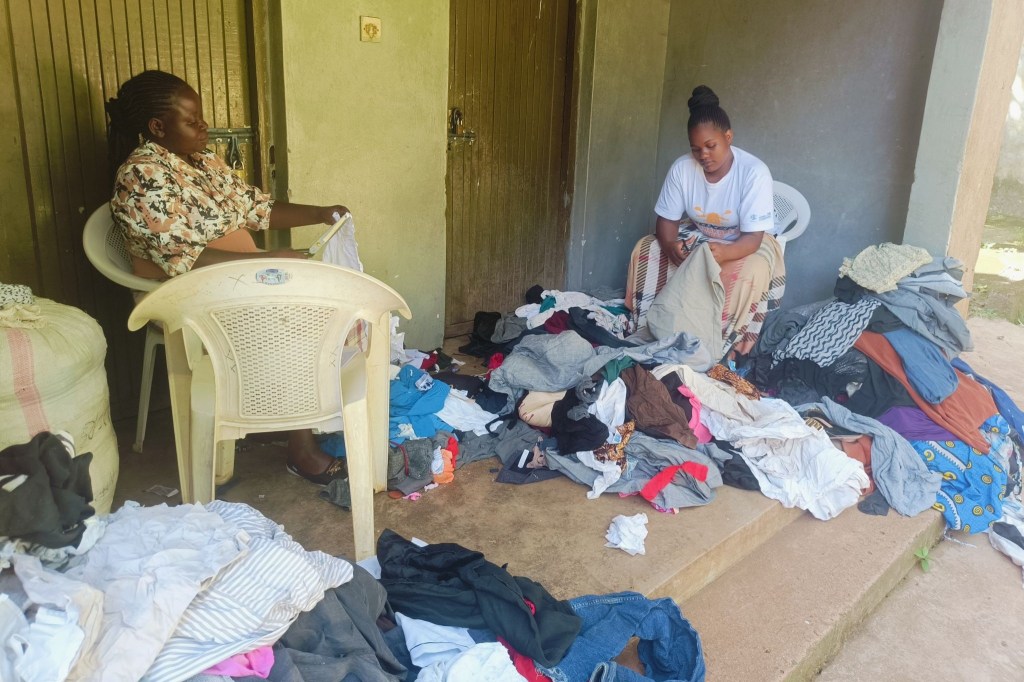
The process follows these key steps:
- Collection – Discarded clothing is gathered from marketplaces, tailors, and other textile waste sources.
- Sorting – Workers separate cotton garments from synthetic materials like nylon and polyester. Buttons, zippers, and other non-organic components are removed, and the clothing is weighed and recorded.
- Processing – The cotton fabric is shredded into small pieces and soaked for two weeks to eliminate any residual chemicals.
- Soil Amendment Creation – The processed textile fragments are blended with organic materials to create a nutrient-rich soil additive.
By repurposing textile waste, this initiative addresses the textile waste problem while providing farmers with an affordable, sustainable alternative to conventional soil inputs.
Testing and Implementation
Eco2Librium has embraced this innovative approach, applying it to their own fields and working closely with local farmers to assess its impact. Extensive field tests have been conducted to evaluate how cotton textile waste influences soil quality and crop productivity.
The initial trial for Eco2 involved 30 farmers using a mixture of shredded cotton textiles and other compostable material. Results indicated improved soil composition, with some farmers reporting increased crop yields. Soil toxicity tests confirmed no adverse effects.
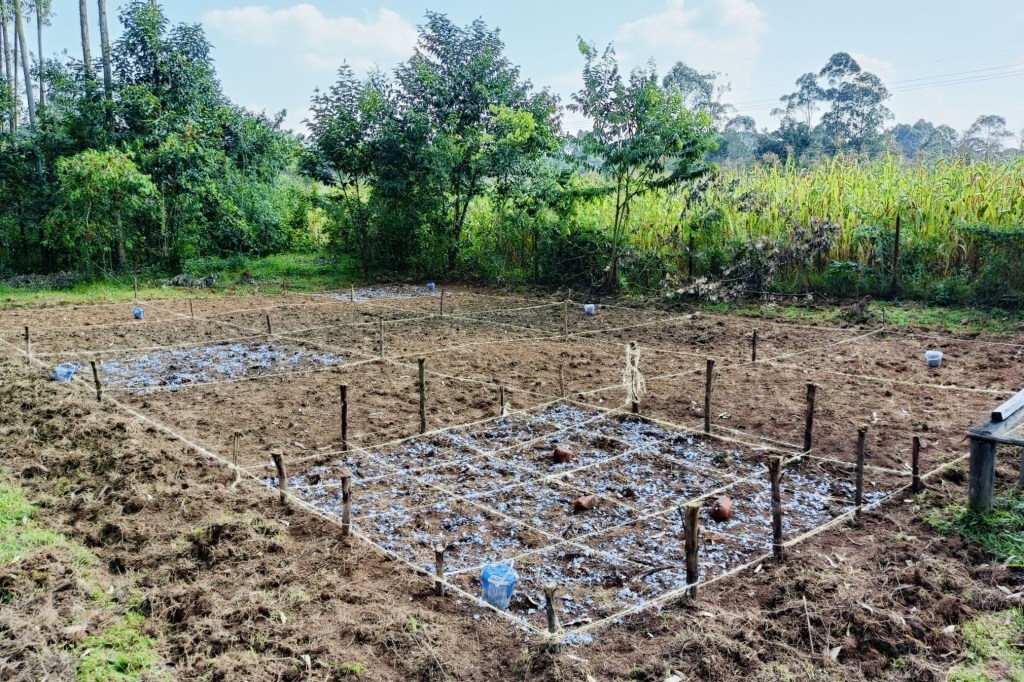
“In terms of data collection, there’s a lot of fieldwork that has been done to make sure that we are meeting the farmers, discussing with them, and seeing particularly what is happening on the ground,” says Luseno.
Eco2librium works closely with farmers to gather feedback and better understand their needs. They organize focus group discussions and reach out to learn more about how farmers are managing their farms.
Additionally, they use online communication and phone calls to conduct research and interviews, gathering more insights about farmers’ challenges and proposals for improvement. This helps Eco2librium stay connected with farmers in their long-term network.
A Vision for the Future
Eco2Librium’s mission reflects the core principles of a circular economy, tackling environmental, social, and economic challenges in a holistic way.
“By embracing circular economy principles, empowering smallholder farmers, and leveraging cutting edge technologies, we can transform waste into a valuable resource that fuels environmental conservation and economic growth,” Malema says.
This initiative has the potential to reshape agriculture in Kenya, reducing landfill waste while offering farmers with a sustainable, low-cost soil amendment. Additionally, it creates job opportunities in the production and distribution of the soil additive.
Further research is being conducted on the non-compostable textile wastes, such as nylon and polyester. The hope is that these waste products can be carbonized and turned into briquettes as a part of Eco2libriums renewable fuel program.
By rethinking how textile waste is managed, Eco2Librium is turning a global textile waste crisis into an opportunity that benefits local communities and the environment.
Photos courtesy of Eco2librium.

Want more content like this? Subscribe to The Foodscapes Collective to be the first to know about articles like this and more.




 The Foodscapes Collective
Leave a comment