
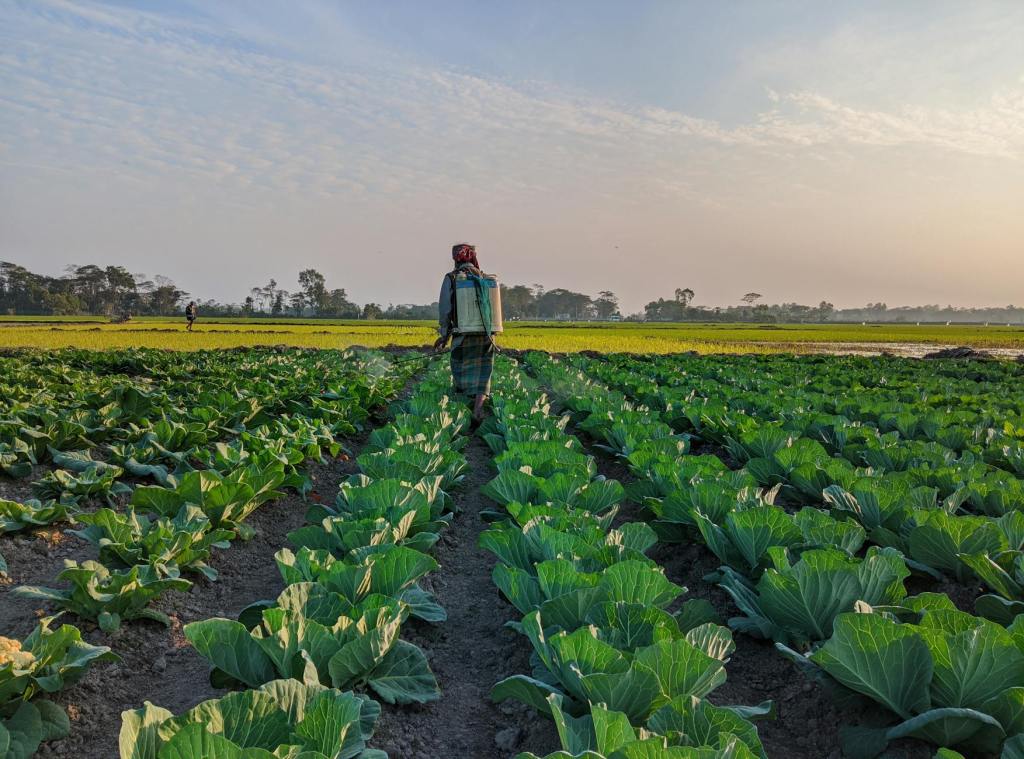
A 2019 study conducted by the International Food Policy Research Institute found that many farmers in parts of rural Honduras do not have reliable access to agricultural information. This means they are missing out on crucial updates that could help them navigate the many challenges we face today in our world — not just from climate change, but also from economic crises.
Unfortunately, this issue is not unique to Honduras. The Food and Agricultural Organization estimates that about 75% of farmers worldwide lack adequate access to agricultural information. In a time when climate change is making farming more unpredictable, this knowledge gap can be detrimental. Agricultural information can provide farmers with information on weather patterns, specific practices to minimize the impact of extreme weather, new seed varieties or fluctuating prices in the market. Without this knowledge, farmers may be left unprepared for extreme weather events and shifting market conditions, which can negatively impact their livelihoods and food security. Access to the right information can help farmers transform their practices to adapt to climate change, maintain productivity, and secure their livelihoods.
In Honduras, this issue is especially problematic given its vulnerability to the changing climate. In 2015, the Global Climate Risk Index identified Honduras as the most at risk country in the world, regularly facing extended droughts and devastating hurricanes. For farmers, these challenges make it even harder to grow enough food to sell and feed their families. This is why reliable agricultural information—whether from the government, research institutions, or nonprofit organizations—is essential in helping farmers transform to more sustainable farming practices.
Yet, despite these urgent needs, little progress has been made since the 2019 study. A 2023 factsheet from the Inter-American Development Bank highlighted the Honduran government’s limited support for agricultural research and development. Instead, the role for disseminating adequate agricultural information has been taken up by nonprofit or for profit organizations. While these organizations play an important role, they do remain limited in their reach, often focusing on specific crop types, like coffee, or certain regions, and broader action is needed to ensure that farmers receive the information they need to succeed.




 The Foodscapes Collective
Leave a comment